















By Fred Muzaale
For many residents of Bugiri Village in Kangulumira Sub-county, Kayunga District, a visit to a health facility often depends not on illness, but on whether they can afford transport or treatment. As a result, conditions that could be diagnosed and managed early are left to worsen, sometimes with fatal consequences.
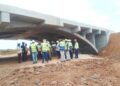
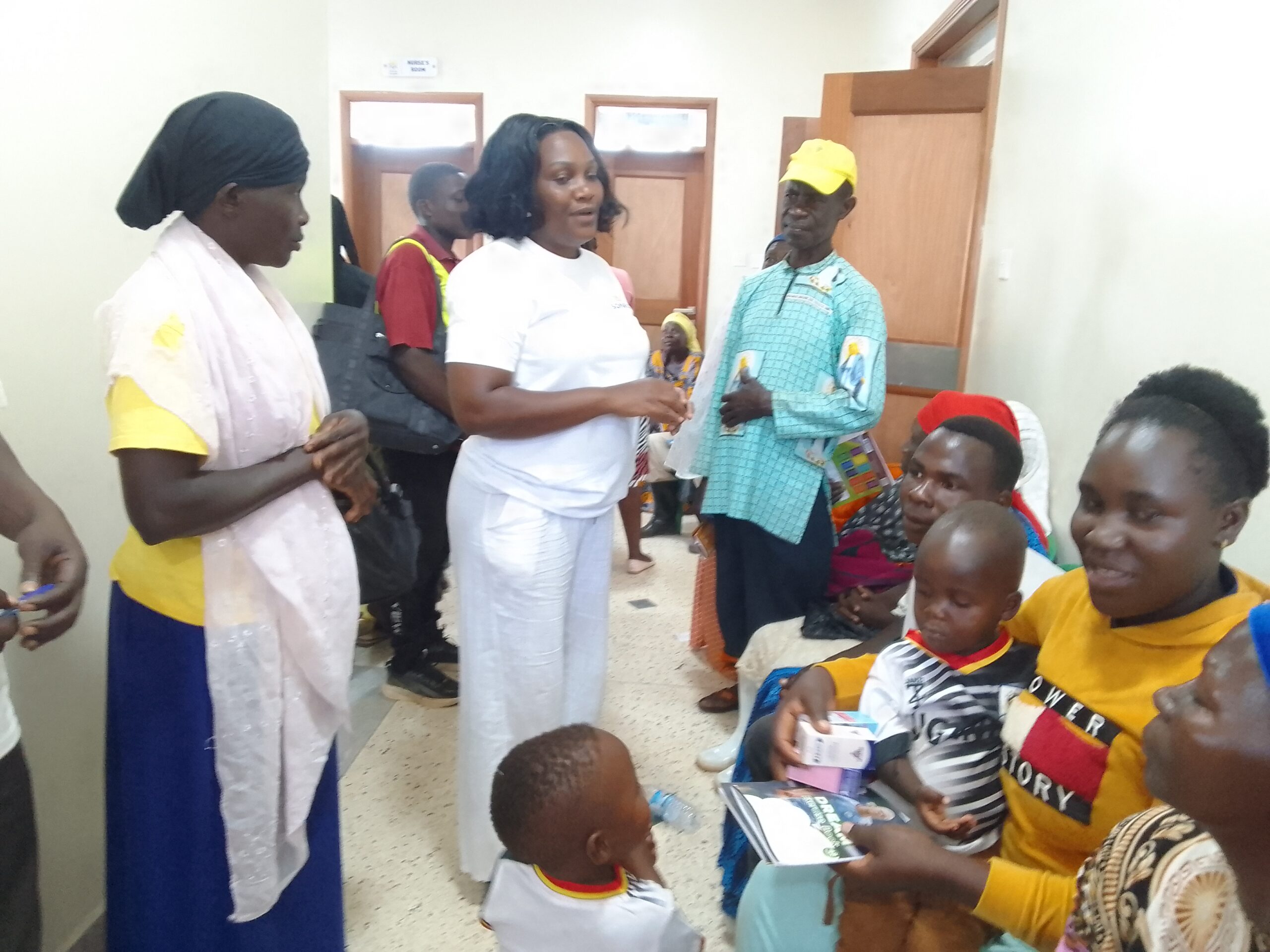
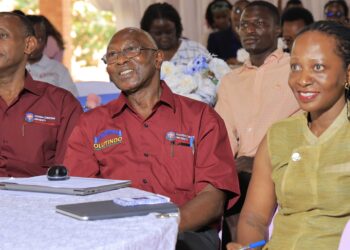
That reality came into sharp focus during a free medical camp organised by Sonrise Hospital on Wednesday, where more than 2,000 people turned up for free consultations, diagnosis, treatment, meals and refreshments.
Health workers at the camp reported that while malaria remained common, a significant number of patients were diagnosed with non-communicable diseases (NCDs), particularly diabetes, hypertension and prostate-related conditions. The findings highlighted the growing burden of chronic diseases in rural communities where access to healthcare remains limited.
Many of those screened said they had lived with symptoms for months or even years without seeking medical attention because they lacked money for transport or consultation fees.
The medical camp was organised ahead of the official opening of Sonrise Hospital, a newly constructed private health facility established by Ms Damalie Mirembe with financial support from Faith of Child Foundation and other partners in the United Kingdom and Canada.
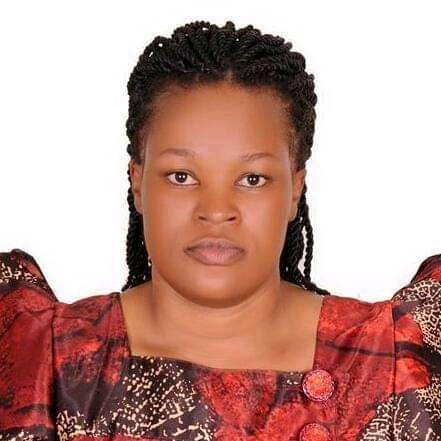
Ms Mirembe, the Country Director of Sonrise Hospital, said the exercise exposed how poverty continues to prevent many Ugandans from accessing timely healthcare.
“Many of the patients we attended to are suffering from diseases that can easily be treated if diagnosed early. Unfortunately, because of poverty and the long distances to health facilities, many people delay seeking treatment until their conditions become severe. Some end up losing their lives from illnesses that could have been managed,” she said.
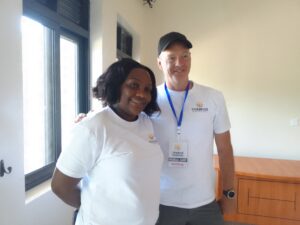
She noted that besides treating common illnesses, the hospital conducted prostate cancer screening for elderly men, with preliminary results indicating a worrying number of suspected cases requiring further medical evaluation.
According to Ms Mirembe, the growing number of people living with diabetes and hypertension underscores the need for routine screening and continuous medical follow-up, especially in rural communities where awareness of non-communicable diseases remains low.
She said Sonrise Hospital was established to bridge the healthcare gap by providing specialised services closer to the people while keeping treatment affordable.
“The hospital will provide quality specialised healthcare nearer to the communities at affordable prices. We also have private rooms for patients who require additional comfort and privacy,” she said.
The state-of-the-art facility is expected to officially open on 3 August, expanding access to diagnostic, outpatient and specialised healthcare services in Kayunga District.
The area Member of Parliament, Fred Baseke, welcomed the investment, saying the hospital would reduce the burden on residents who have long travelled considerable distances to seek specialised medical care.
He said improved access to healthcare would encourage early diagnosis and treatment, particularly for chronic illnesses that require regular monitoring.
Public health experts have repeatedly warned that non-communicable diseases such as hypertension, diabetes, cancer and heart disease are becoming a major cause of illness and death in Uganda. Unlike infectious diseases, these conditions often develop silently and require regular screening, early diagnosis and lifelong management.
The Kayunga medical camp served as a reminder that while awareness of non-communicable diseases is increasing, poverty, transport costs and limited access to nearby health facilities continue to deny many Ugandans the care they need. For hundreds who attended the outreach, free medical services offered not only treatment but also the first opportunity to learn about health conditions they had unknowingly lived with for years.






 English