

















By Kagenyi Lukka
The public service is the engine of our nation. From village health workers and classroom teachers to Resident District Commissioners (RDCs) coordinating government programmes in the districts, every public office exists to serve the people of Uganda.


Yet in recent years, a damaging misconception has taken root in many communities: that government jobs, particularly political appointments such as RDCs, are “for sale.” Some believe that securing such positions requires paying money, knowing influential people or having the right connections.
This belief is not only false but also harmful. It discourages qualified Ugandans from seeking public service, fuels corruption and erodes public confidence in government institutions.
As public servants, we have a responsibility to set the record straight. Government jobs, including the office of the RDC, are not for sale.
The Legal Framework
Appointments to public office in Uganda are governed by the Constitution, the Public Service Act and the National Resistance Movement (NRM) manifesto, which emphasises service and merit.
Recruitment into the public service is conducted by the Public Service Commission and District Service Commissions through transparent processes involving public advertisements, shortlisting and interviews based on qualifications and competence.
Political appointments such as Resident District Commissioners, Deputy RDCs and Assistant RDCs are made by the President in consultation with the Minister for the Presidency. The President is the appointing authority and makes the final decision.
At no stage in this process is payment required. Anyone demanding money in exchange for a government job is engaging in fraud and criminal conduct.
Commending Leadership
The misconception that RDC positions are bought has persisted partly because it has not always been challenged publicly.
I therefore commend the Minister for the Presidency, Milly Babirye Babalanda, for consistently clarifying that RDC appointments are not for sale.
She has repeatedly warned Ugandans against paying individuals who promise to secure them appointments and has encouraged victims of such scams to report the culprits to the police and her ministry.
Such clear leadership helps protect young people, party cadres and job seekers from fraudsters who exploit their hopes and aspirations.
The Harm Caused by Job Selling Rumours
False claims that government jobs can be bought have serious consequences.
First, they discourage capable and qualified applicants. Many graduates conclude they have no chance without money or political connections and therefore never apply, depriving the country of valuable talent.
Second, the rumours normalise corruption. Unsuspecting individuals lose their savings to con artists, while those who believe they paid for positions may later feel entitled to misuse public office to recover their money.
Third, these perceptions weaken public trust in government. Citizens begin to believe that appointments are based on wealth rather than merit and commitment to service.
Uganda cannot build a strong public service on a foundation of bribery and deception.
How Appointments Are Made
In practice, appointments involve a structured process.
Applicants undergo vetting to verify their academic qualifications, integrity and record of public service.
Suitable candidates are then shortlisted and considered through the appropriate channels before recommendations are submitted to the appointing authority.
Those appointed are deployed and inducted into their responsibilities, including monitoring government programmes, mobilising communities and ensuring effective service delivery.
Throughout this process, competence, integrity and commitment remain the key considerations—not money.
What Citizens Must Do
Citizens should never pay anyone claiming to offer government jobs.
Anyone approached by individuals demanding money for appointments should document the incident and report it to the police, the Internal Security Organisation (ISO) or the nearest RDC’s office.
Local leaders should use community meetings, barazas and radio programmes to educate the public about the legitimate recruitment process.
Public servants must continue to uphold transparency, fairness and accountability in all recruitment processes.
The media and civil society organisations also have an important role in exposing fraudsters and providing accurate information to the public.
Merit Must Remain the Guiding Principle
President Yoweri Museveni has consistently emphasised that government institutions should be built on merit and service.
Uganda faces pressing challenges, including poverty, unemployment and the need to improve service delivery. These challenges require dedicated public servants who understand government programmes such as the Parish Development Model (PDM) and Emyooga, can mobilise communities and are committed to fighting corruption.
Such leadership can only be achieved if the integrity of recruitment and appointment processes is protected.
Let it therefore be stated clearly once again: Government jobs, including RDC appointments, are not for sale.
Young Ugandans should focus on acquiring the necessary qualifications, serving their communities and applying through the established procedures. Character, competence and commitment—not money—should determine who serves the country.
Those who deceive desperate job seekers by demanding money for appointments should know that they are committing criminal offences and will ultimately be held accountable.
I once again commend Hon. Milly Babirye Babalanda for her continued efforts to dispel this harmful misconception and protect Ugandans from fraud.
A government that truly serves its people must be built on truth, integrity, merit and service. That begins with ensuring that those entrusted with public office earn their positions through competence and commitment, not through corruption.
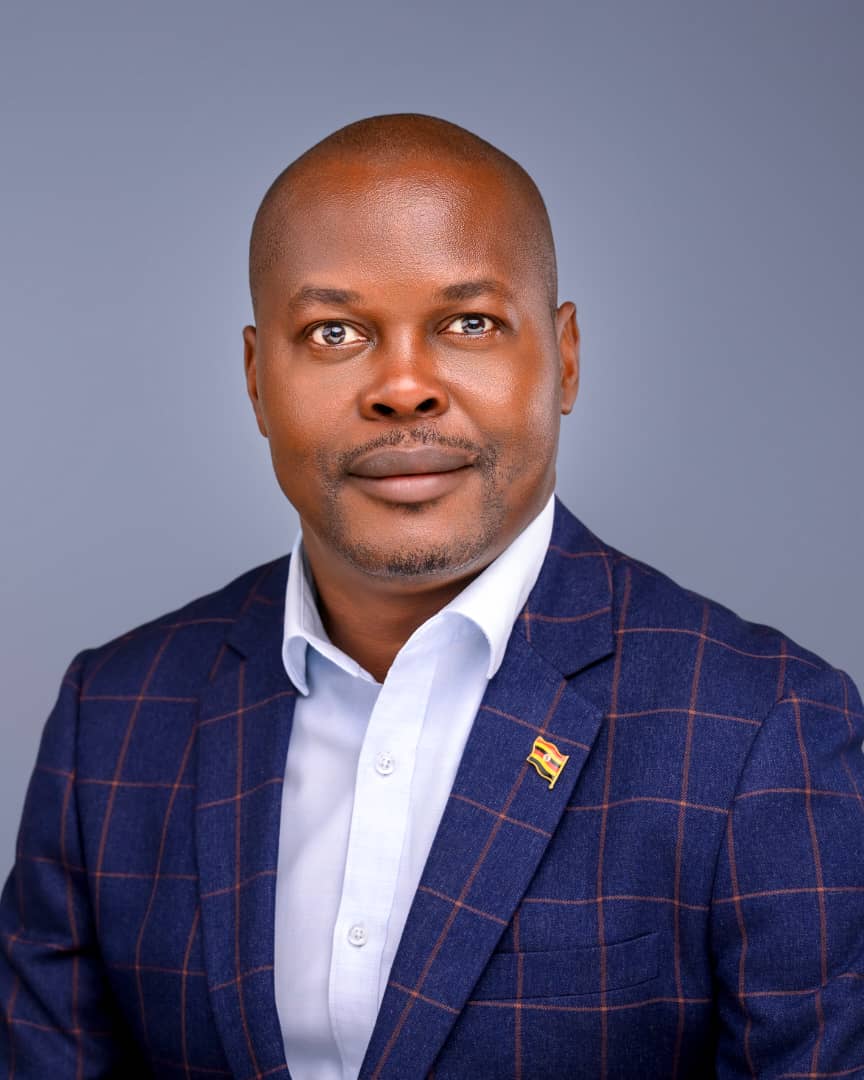
The writer is the Deputy Resident City Commissioner for Kawempe Division, Kampala City.








 English