

















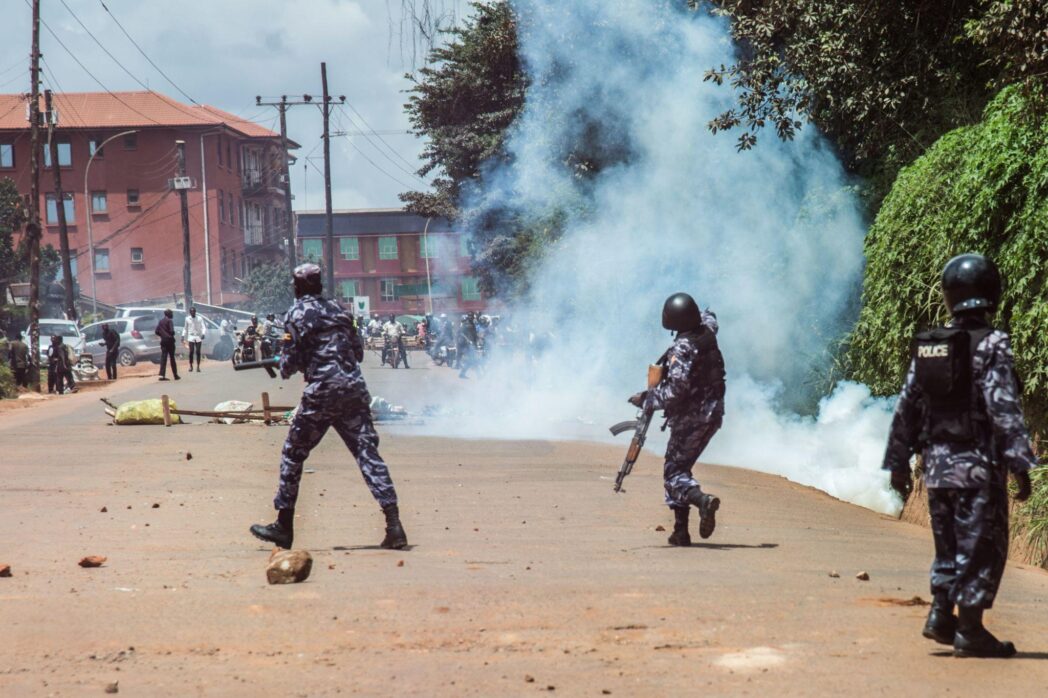
A 13-year-old Primary Four pupil was shot dead and two other students injured on Wednesday when security forces moved in to disperse rioting students in Koboko Municipality, northwestern Uganda.
The deceased, identified as Buruga Ramathan, a pupil at Nuru Islamic Primary School and a resident of Gbulagbulanga Cell, was reportedly hit by a stray bullet and died instantly.
The unrest broke out following a violent confrontation between students of St. Charles Lwanga College and Kochi Secondary School, reportedly triggered by tensions after a recent football match.
The rivalry escalated into the streets on Wednesday morning, with students blocking the busy Koboko–Oraba road and disrupting traffic.
Koboko Resident District Commissioner Emmy Mitala said a joint deployment of the Uganda Police Force and the Uganda People’s Defence Forces (UPDF) was sent in to restore order.
However, the situation worsened when students began throwing stones at security personnel and vandalising a patrol vehicle.
Police say officers responded by firing bullets to disperse the crowd during the chaos.
“The rowdy students started stoning the officers and damaging the patrol vehicle. In response, officers released bullets to disperse the crowd. Unfortunately, a stray bullet hit Buruga Ramathan, who died instantly,” said West Nile Regional Police Spokesperson SSP Josephine Angucia.
Two other students were also injured by stray bullets. They include Hamid Mahazim, 16, who sustained injuries to his left foot, and Khalifah Rajab, a Senior Four student at Nyarilo Secondary School. Both are receiving treatment at Koboko Hospital and other nearby health facilities.
Police have condemned the violence, describing student strikes as illegal, destructive, and potentially fatal. Investigations into the incident have been opened under SD Ref 59/24/06/2026.
“We condemn acts of strikes by students because they are not only illegal but can be destructive and fatal,” SSP Angucia said. “We encourage students to raise their grievances through proper administrative channels instead of resorting to violence.”







 English