

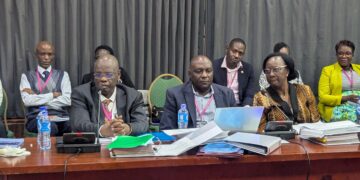
















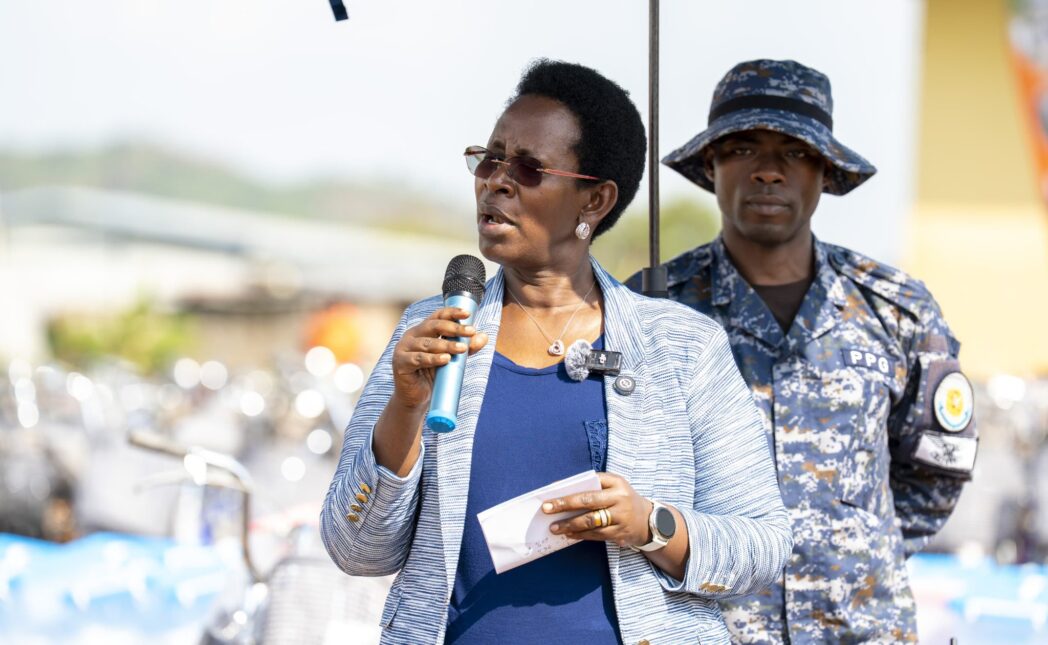
Uganda’s doctor-to-patient ratio remains critically low at about 1:24,000, far below the World Health Organization’s recommended standard of 1:1,000. Against this backdrop, some taxpayers have proposed redirecting funds currently allocated to Members of Parliament’s car allowances to support young doctors who effectively sustain the country’s healthcare system.
The Ministry of Health (MoH) has maintained that its position on medical internships will not change despite growing resistance from the medical fraternity. The government insists that the new policy, which includes scrapping internship allowances, will take effect in August.

The reforms are part of the National Education and Training for Health Policy, first introduced in April. Authorities say the policy is intended to modernise health training, improve the quality of medical education, and smooth the transition from academic learning to professional practice.
Central to the policy is the creation of a National Internship Management Framework. It outlines several changes, including a pre-internship examination before placement, revised selection and supervision guidelines, accreditation of training sites, and the removal of internship allowances.
However, these proposals have been widely rejected by medical practitioners, who argue that the measures risk undermining interns’ welfare and could amount to exploitation of young doctors.
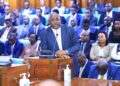
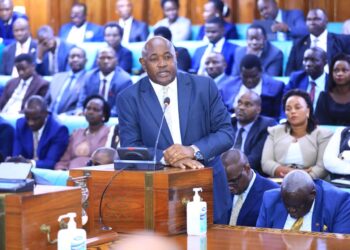
Speaking during a heated engagement with medical students attended by officials from the Uganda Medical Association (UMA), Dr Ronny Bahatungire, Commissioner for Clinical Services at the MoH, acknowledged that the withdrawal of allowances has been the most contentious issue. He, however, said the over 350-page policy document contains broader reforms that the Ministries of Health and Education believe will help “sanitise” the profession.
He explained that authorities had identified concerns about unqualified individuals entering medical training programmes, adding that while the Ministry of Health has faced most of the criticism, the proposal to integrate internship within the six-year medical training structure originated from the Ministry of Education.
The debate over whether medical interns should be paid has intensified, with sections of the public joining the discussion. Some argue that instead of eliminating intern allowances, government should cut or abolish MPs’ vehicle funds and redirect the money to support doctors in training.
Others have suggested reducing parliamentary salaries altogether to finance internship programmes. Currently, interns receive about UGX 1 million per month, down from UGX 2.4 million following a 2021 presidential directive that ended a series of doctors’ strikes.
President Yoweri Museveni, speaking in 2024 during an address to 210 medical graduates at the Kyankwanzi National Leadership Institute, argued that sustaining payments for interns would be financially difficult. He noted that with nearly 2,000 interns deployed nationwide, government priorities such as roads and security compete for limited resources.
On another occasion, Museveni questioned the sustainability of funding internships, warning that tying the future of young doctors to government financing could be risky due to budget constraints.
The issue of intern welfare, however, has long been contentious. UMA President Dr Frank Asiimwe said the association has consistently pushed for improved conditions for medical interns and questioned whether previous leadership consultations ever endorsed such sweeping reforms. He argued that the policy risks devaluing interns’ work and worsening existing human resource challenges in the health sector.
Dr Asiimwe has appealed directly to President Museveni to intervene, warning that the policy could increase the cost of medical training and discourage potential students from pursuing the profession. He further stressed that Uganda’s already strained doctor-to-patient ratio—still far below global standards—could deteriorate further.
Despite the growing controversy, President Museveni did not address the matter during his recent State of the Nation Address.
Meanwhile, Dr Bahatungire has urged students to carefully study the new policy, noting that implementation is expected to begin with the next cohort of interns deployed in early August. He also dismissed claims that interns would be required to pay fees for internship placement, describing such reports as false.







 English