
















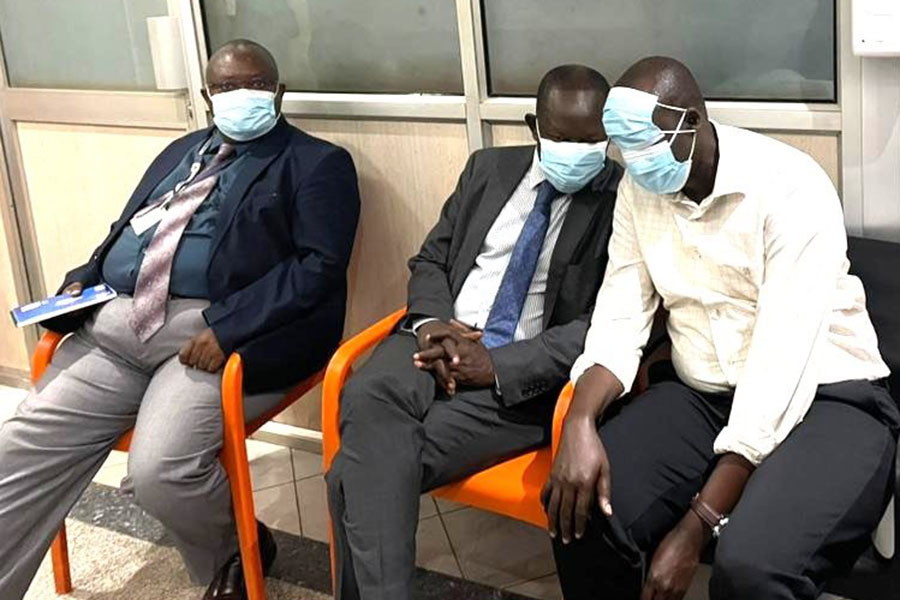
The Inspectorate of Government (IGG) has arrested six officials attached to the Department of Refugees under the Office of the Prime Minister (OPM) over allegations of soliciting money from asylum seekers in exchange for refugee status.
Among those reportedly arrested are Commissioner Patrick Okello and Assistant Commissioner Douglas Asiimwe, according to sources familiar with the ongoing investigations.

The arrests follow growing complaints from refugee communities and concerns raised by humanitarian partners over alleged corruption, extortion and irregularities in Uganda’s refugee registration and status determination processes.
Sources close to the investigation say the IGG operation forms part of a broader probe into claims that some officials responsible for refugee registration demanded payments from asylum seekers seeking legal recognition and access to protection services.
Several asylum seekers have allegedly complained about stringent documentation requirements during registration, including requests for passports and other identification documents from individuals fleeing conflict, persecution and insecurity in their home countries.
Questions have also emerged regarding the handling of asylum applications involving individuals from countries such as Somalia, Pakistan, Iran and Syria, particularly applicants who sought refugee protection after the expiry of their visas.
The arrests represent one of the most significant anti-corruption operations targeting Uganda’s refugee management system in recent years.
The Department of Refugees plays a central role in registering asylum seekers, determining refugee status and coordinating humanitarian assistance with aid agencies operating across the country.
By press time, the Inspectorate of Government had not yet issued an official statement outlining the specific allegations under investigation or possible charges against the suspects.
Uganda hosts one of Africa’s largest refugee populations, with more than 1.8 million refugees and asylum seekers, according to figures from the United Nations High Commissioner for Refugees (UNHCR).
The country has earned global recognition for its progressive refugee policy, which grants refugees freedom of movement, access to employment and the right to own or cultivate land within designated settlements.
However, the latest allegations are expected to increase scrutiny of the systems responsible for refugee registration and protection.
Human rights organisations and humanitarian agencies have repeatedly warned that corruption within refugee administration structures can undermine access to protection for vulnerable people escaping war, persecution and humanitarian crises.
The arrests come at a time when Uganda continues to receive refugees from conflict-affected regions across East Africa, the Horn of Africa and parts of the Middle East, placing increasing pressure on refugee management institutions and humanitarian resources.
As investigations continue, attention is likely to focus on whether the alleged practices involved isolated individuals or point to deeper systemic weaknesses within Uganda’s refugee registration framework.







 English