
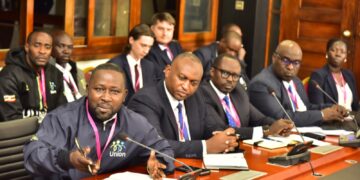



A section of Members of Parliament has raised concerns over delays in the issuance of official service passports, urging the government to expedite the process to enable them carry out their duties smoothly.
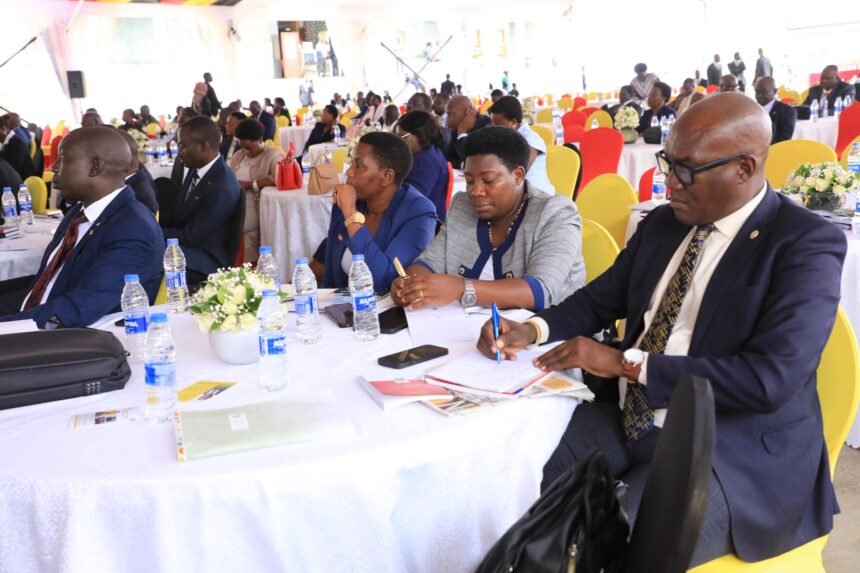
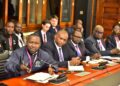
The concerns were raised during an orientation session for the 12th Parliament held on Thursday, May 28, 2026, at Parliament’s South Wing parking space.
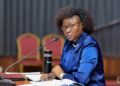
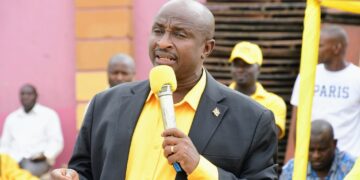
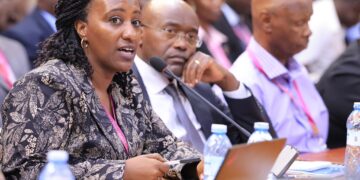
Maruzi North MP Bernard Otim said several lawmakers had fulfilled all the requirements for obtaining the passports but were still being subjected to repeated postponements.
“A letter was actually written by the Office of the Clerk and signed by the Clerk himself to Internal Affairs. I paid the required fee, but when I reached there, I was told, first of all, gazettement which did pass.
I was later told to wait for the swearing-in, which passed, then later I am told to wait for June. My question is, why all these delays, and what are your remedies?” Otim asked.
Under Uganda’s regulations, MPs are entitled to green service passports alongside other senior public officials and religious leaders, including university chancellors, heads of government departments, members of permanent commissions, and top clerics such as the Archbishop of the Church of Uganda, the Roman Catholic Archbishop, the Seventh-day Adventist Archbishop, the Orthodox Patriarch, and the Supreme Mufti.
For legislators, green service passports are valid only during their term of office and are withdrawn upon retirement or leaving Parliament. The travel documents also offer certain visa advantages compared to ordinary passports.
Parliament officials apologised for the delays and promised to follow up the matter with the institution’s protocol team.
The orientation session also exposed growing concerns among lawmakers over access to parliamentary travel opportunities and oversight activities.
Kassanda Woman MP Rebecca Atukunda questioned how the 12th Parliament would ensure fairness in distributing travel opportunities among the 529 legislators.
“You talked about travelling, and you said that travelling will depend on the committees. I happen to know that members are many, the committees are few. Are we going to be travelling in shifts or will a few benefit?” Atukunda asked.
Her concerns were echoed by Robert Ssewagudde, the NRM representative for Persons with Disabilities, who questioned the extent of the Speaker’s authority and accountability within Parliament.
“When you look at the office of the Speaker, is there any limitation to the powers of the Speaker? Secondly, when you look at us, as Members of Parliament, we apply to the Speaker for approvals and all that. Who oversees the work of the Speaker?” Ssewagudde asked.
The discussions also revived public debate over MPs’ allowances and benefits linked to committee work and oversight trips.
According to information previously shared by former Erute South MP Jonathan Odur, legislators are entitled to sh50,000 per committee sitting in addition to refreshments and snacks. With an average of 32 MPs serving on each committee, Parliament reportedly spends between sh2 million and sh3 million per sitting.
Odur also revealed that inland oversight visits attract a per diem of sh400,000 per MP per day, with most trips lasting between three and five days. Foreign oversight trips attract a daily allowance of $720, approximately sh2.68 million, for each MP, while parliamentary staff receive $400, about sh1.5 million, excluding air tickets which vary depending on the destination.







 English