
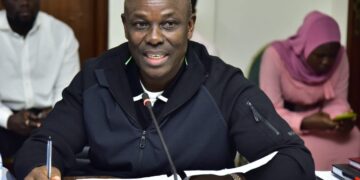












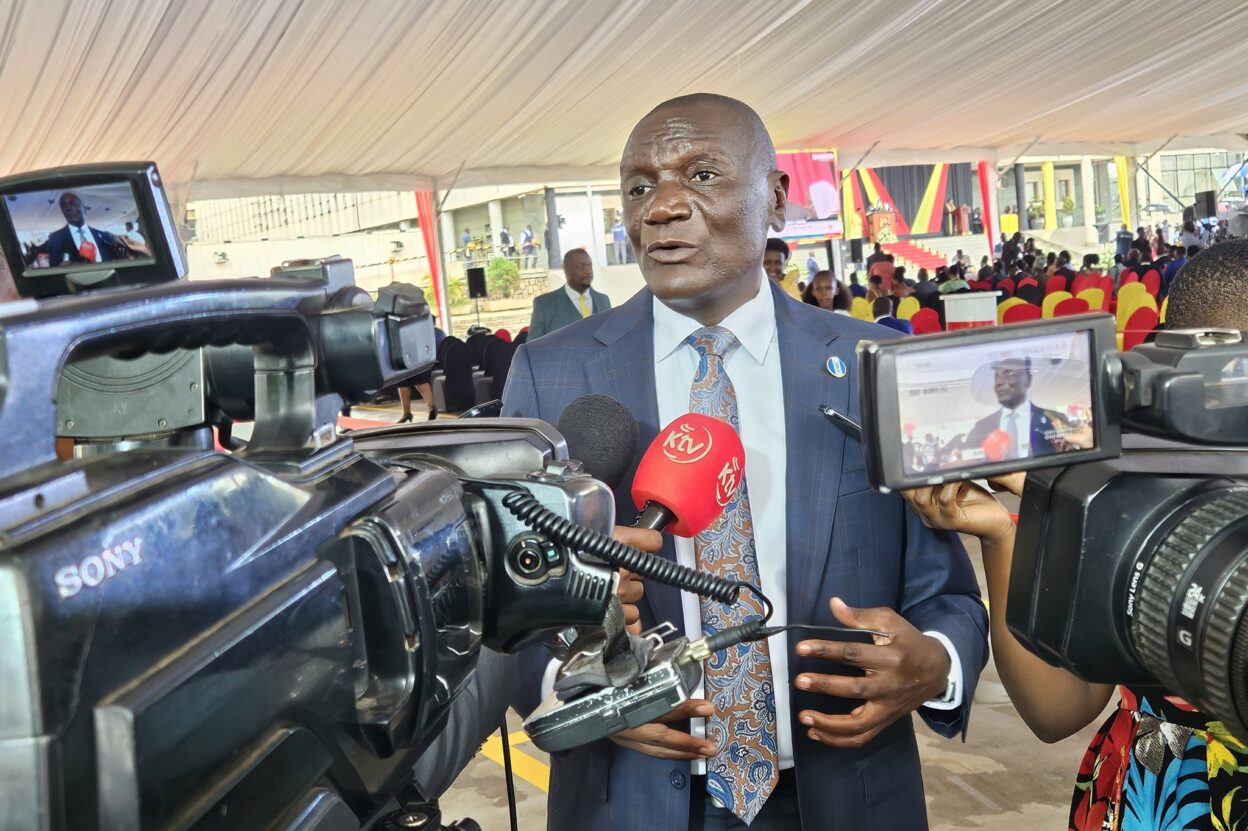
Criticism has emerged against newly sworn-in legislator Ali Mulyanyama after he outlined what many residents and political observers describe as “misplaced priorities” for a Member of Parliament during his first public remarks after taking oath.
Speaking shortly after assuming office, Mulyanyama pledged to provide a first-aid box to every village in his constituency, saying the kits would contain basic medical items such as plasters, bandages and surgical spirit.
He also promised to oversee the installation of streetlights and rehabilitate shallow wells across the area.
While the promises appeared aimed at addressing immediate community concerns, critics argue that the commitments reveal a limited understanding of the constitutional role of an MP and the broader responsibilities attached to legislative office.
Political analysts note that Members of Parliament are primarily mandated to legislate, represent constituents, appropriate national resources and oversee government programs, rather than directly implementing small-scale service delivery projects typically handled by local governments and technical departments.
Several residents interviewed after the remarks questioned why the legislator focused on distributing basic medical supplies instead of articulating plans on larger issues affecting the constituency such as healthcare funding, unemployment, poor roads, education standards, youth empowerment and accountability in public service delivery.
Others argued that the proposal for village first-aid boxes risks reducing parliamentary leadership to short-term handouts with limited long-term impact.
“It is difficult to understand how a whole MP can celebrate providing plasters and spirit as a major achievement. Villages need functioning health centres with medicines, trained workers and ambulances,” Samel Kivumbi, one resident said.
Observers further noted that shallow wells have for years been criticized in many communities due to concerns over sanitation and water contamination, especially during rainy seasons.
They argue that legislators should instead push for expanded access to clean piped water systems through national budget advocacy and engagement with relevant ministries.
The promise on street lighting also sparked debate, with some leaders pointing out that such projects are normally implemented by city, district and municipal authorities under local government structures, though MPs can lobby for funding and policy support.
Analysts say the early statements could shape public perception about the legislator’s preparedness for national leadership and his grasp of governance structures.
“In Parliament, citizens expect an MP to debate national policy, influence budgets, monitor government expenditure and defend public interests. Focusing mainly on first-aid boxes may suggest a limited appreciation of the office,” John Kiwanuka observed.
The development comes at a time when voters across the country are increasingly demanding issue-based leadership from elected officials rather than symbolic community donations and politically attractive pledges.
Critics now say Mulyanyama’s first public agenda should have centered on pressing policy concerns affecting households, including the rising cost of living, deteriorating public health facilities, youth unemployment, agricultural support and infrastructure gaps.
Even so, some of his supporters defended the promises, arguing that small community interventions can still improve lives, particularly in underserved villages where residents struggle to access emergency medical supplies and safe water.
ENDS.







 English