


















In a world driven by constant innovation, some of the biggest names in tech are quietly orchestrating the next great disruption: the end of smartphones as we know them.
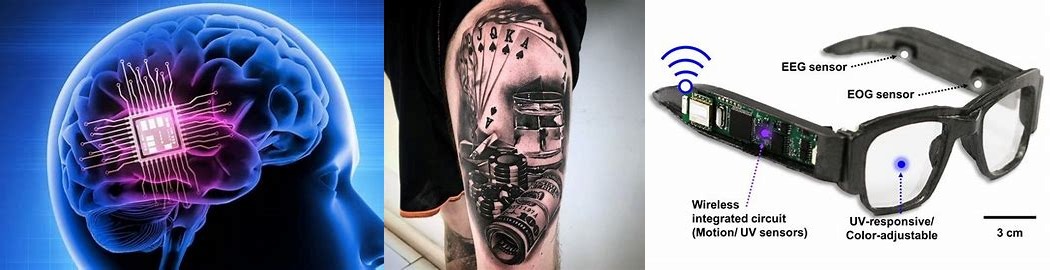
From implanted brain chips to electronic tattoos and immersive augmented reality, the race is on to redefine how we connect with technology—and with each other.
Related posts

Elon Musk’s Neuralink: Thinking Beyond the Screen
Elon Musk is no stranger to bold visions, and through Neuralink, he’s now aiming to make smartphones obsolete.
His company’s brain-computer interface implants allow users to control digital devices using only their thoughts—no screens, no taps, and no physical effort.
Neuralink has already implanted its device in two human subjects, demonstrating the early feasibility of this once-futuristic idea.
If successful, it could eliminate the need for external devices altogether, turning thought itself into the ultimate user interface.
Bill Gates Backs Tattoos with a Purpose
While Musk looks inward, Bill Gates is turning the body into the device.
Backing a tech firm called Chaotic Moon, Gates is exploring electronic tattoos—nanosensor-equipped skin patches capable of collecting, transmitting, and receiving data.
These digital tattoos could monitor health in real time, serve as communication tools, and even offer GPS tracking, all without the need for a traditional device.
It’s a vision of the human body as an always-on, fully integrated tech platform.
Zuckerberg’s AR Glasses: The World Through a New Lens
Meta CEO Mark Zuckerberg believes the smartphone’s replacement won’t be in your hand—it’ll be on your face.
His bet is on augmented reality glasses, which overlay digital content directly into your field of view.
By 2030, Zuckerberg predicts, AR glasses will be the primary computing platform, handling everything from communication and entertainment to productivity.
Instead of looking down at a screen, users will look up and see the digital world blended seamlessly with the physical one.
Apple’s Approach: Refine, Don’t Replace
While others chase radical transformation, Apple is charting a different course.
Under CEO Tim Cook, the company continues to bet on the smartphone’s longevity.
With the launch of the iPhone 16, Apple has introduced sophisticated AI capabilities that enhance user experience without discarding the familiar form factor.
For Cook, the smartphone isn’t a relic of the past—it’s a refined piece of modern life.
His strategy focuses on gradual innovation, improving the tools we already depend on while incorporating emerging technologies like AI and AR.
A Philosophical Divide: Disruption vs. Iteration
What’s unfolding is more than a technological shift—it’s a philosophical one.
Musk, Gates, and Zuckerberg represent a disruptive vision of the future, one in which smartphones are replaced by implants, wearables, and immersive devices.
Apple, by contrast, is embracing iteration: improving what exists rather than replacing it outright.
The real question isn’t just what comes next, but which path society will choose.
Will consumers embrace radical new tech woven into the body and senses? Or will the comfort, familiarity, and versatility of smartphones keep them relevant for decades to come?
What Lies Ahead?
Despite the excitement, major hurdles remain: ethical debates, privacy concerns, regulatory scrutiny, and consumer skepticism all stand in the way of a screenless future.
For now, Apple’s strategy of refining the familiar seems prudent, even as competitors push the boundaries of what’s possible.
Eventually, the smartphone may disappear—not in a sudden collapse, but in a quiet evolution.
And when that day comes, it won’t just be a change in technology, but a shift in how we think, feel, and connect.
Enjoyed this story? Follow us on social media for more engaging content, exclusive insights, and the latest in tech innovation. Contact us anytime on WhatsApp: +256 701 584 195.













 English