















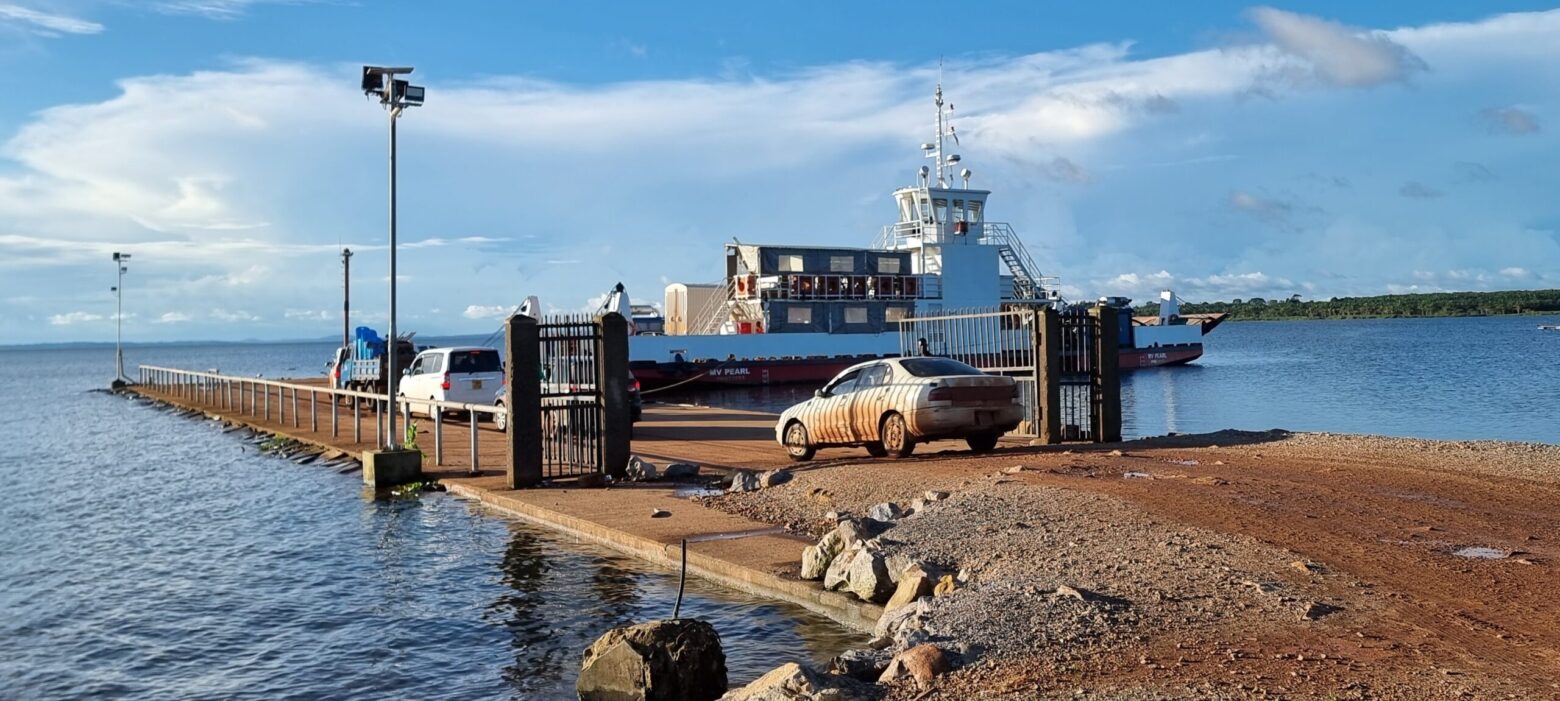
Kalangala, Uganda — For over a decade, ferries gliding across the calm waters between Bukakata and Bugoma on Buggala Island have symbolized lifelines — vessels of opportunity, connection, and access for thousands of island residents in Kalangala District.
But as government delays in renewing a crucial subsidy agreement persist, that lifeline may soon come at a cost.
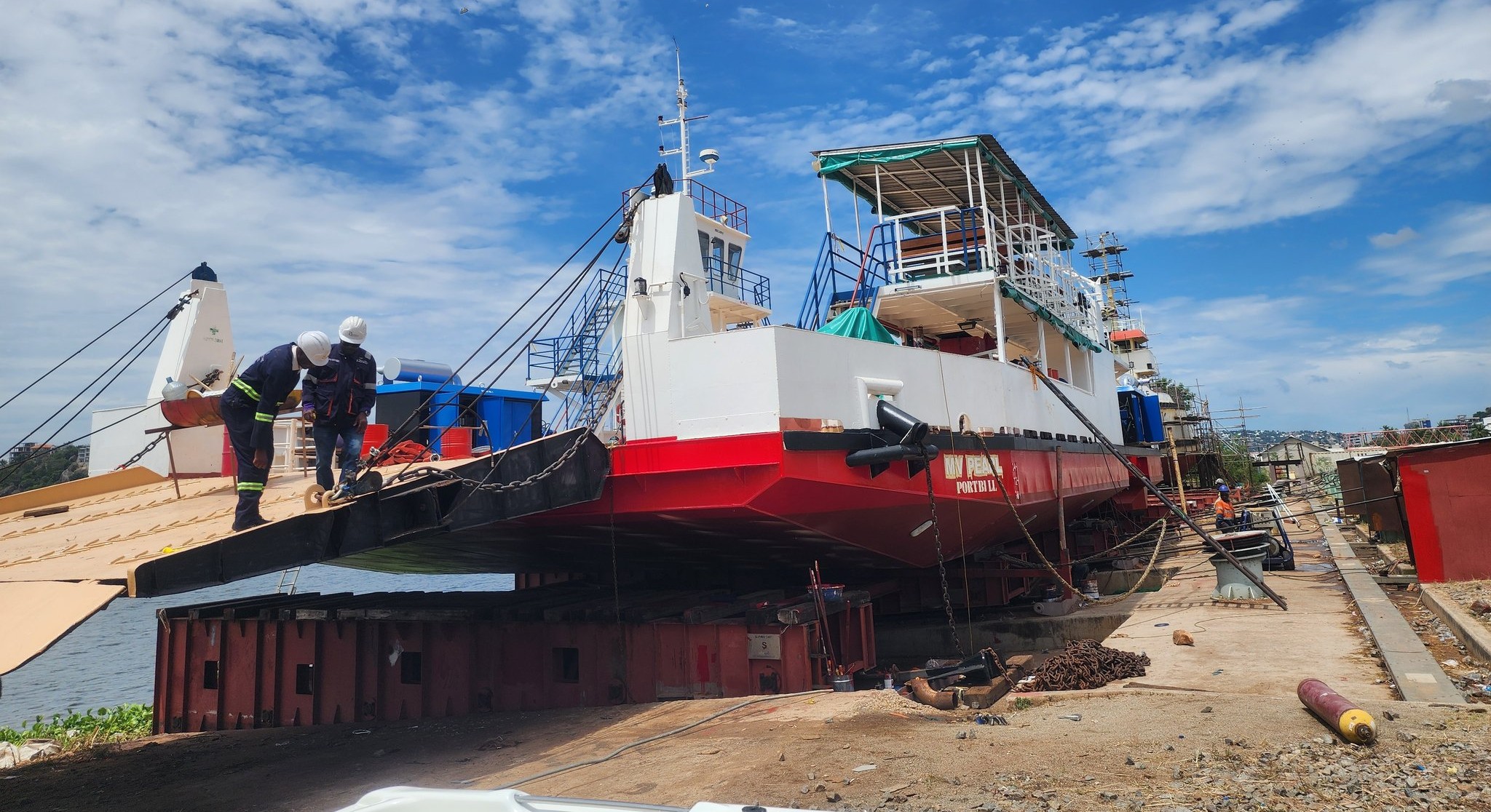

Residents, leaders, and business operators in Kalangala are now staring down the unsettling prospect of paying transport fees for ferry services that have long been free — a result of the pending expiry of a government subsidy agreement with Kalangala Infrastructure Services Limited (KIS), the private company managing ferry transport and key infrastructure in the district.
The ferry services, part of a broader infrastructure development initiative launched in 2010, were underpinned by a public-private partnership between the Government of Uganda and KIS.
The contract granted KIS the mandate to manage and expand the district’s core services, including water supply, electricity distribution, and road and ferry transport.
Under the agreement, the government provided fuel and maintenance for the ferries — effectively subsidizing the transport costs to ensure free movement of people and goods.
This subsidy was seen as a critical measure to address the unique challenges faced by island communities, which often lack conventional road networks and face higher costs of living.
But now, with just two months left before the current subsidy arrangement ends — and no formal renewal in sight — anxiety is mounting across the district.
According to KIS Managing Director Andrew Kilama Lajul, while the company’s overall license to operate ferry and infrastructure services runs until 2030, the specific agreement regarding the government’s financial subsidy for ferry operations is only funded through the next three months.
“We submitted a request for the review and extension of the subsidy agreement to the government in 2023,” Lajul said. “But we have not received any response so far.”

Without an extension of the subsidy, Lajul confirmed that KIS would be compelled to introduce a rate card for passengers in order to maintain operations — effectively ending years of free public transport across Lake Victoria.
Voices of Concern from Kalangala
The uncertainty has triggered frustration among political leaders and residents alike, who see the move as a betrayal of the government’s commitment to equity and regional development.
“This is not a privilege — it is a right,” declared Hellen Nakimuli, the District Woman Member of Parliament. “These ferries are a continuation of the road network. If someone can drive freely on roads from Masaka to Kampala, why should a resident in Kalangala pay to move on the equivalent waterway?”
Nakimuli also pointed to the long-standing demands by Kalangala leaders for a bridge linking the island to the mainland — a request that has gone unanswered for years.
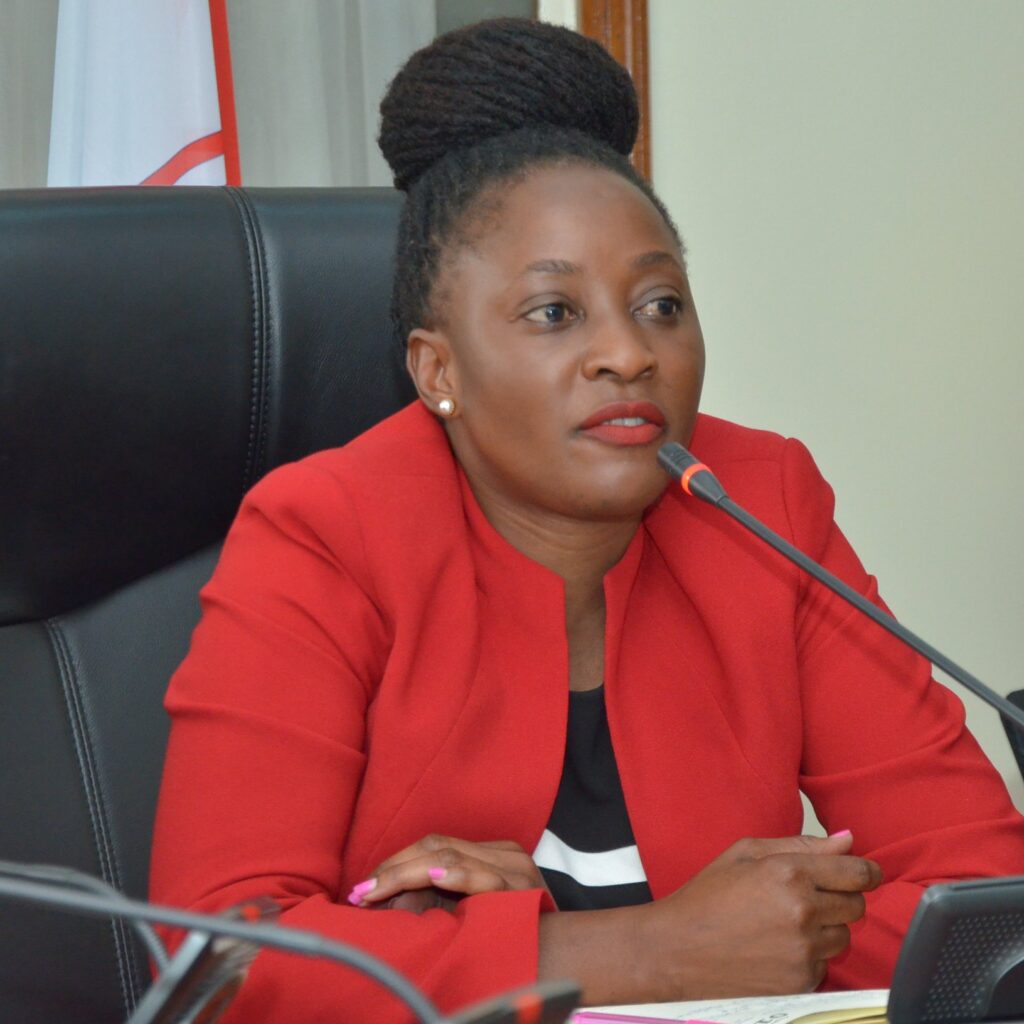
“This community has been patient,” she added. “We ask very little, and even that little — like a ferry subsidy — is now in jeopardy.”
Fred Badda, the Resident District Commissioner (RDC), echoed the concerns. “The government abolished ferry fees years ago to promote inclusion and equitable development. To reverse that now, because of bureaucratic inaction, is deeply troubling,” he said.
He called out the government’s delay in renewing the agreement with KIS, stating that it projects a poor image of responsiveness and accountability.
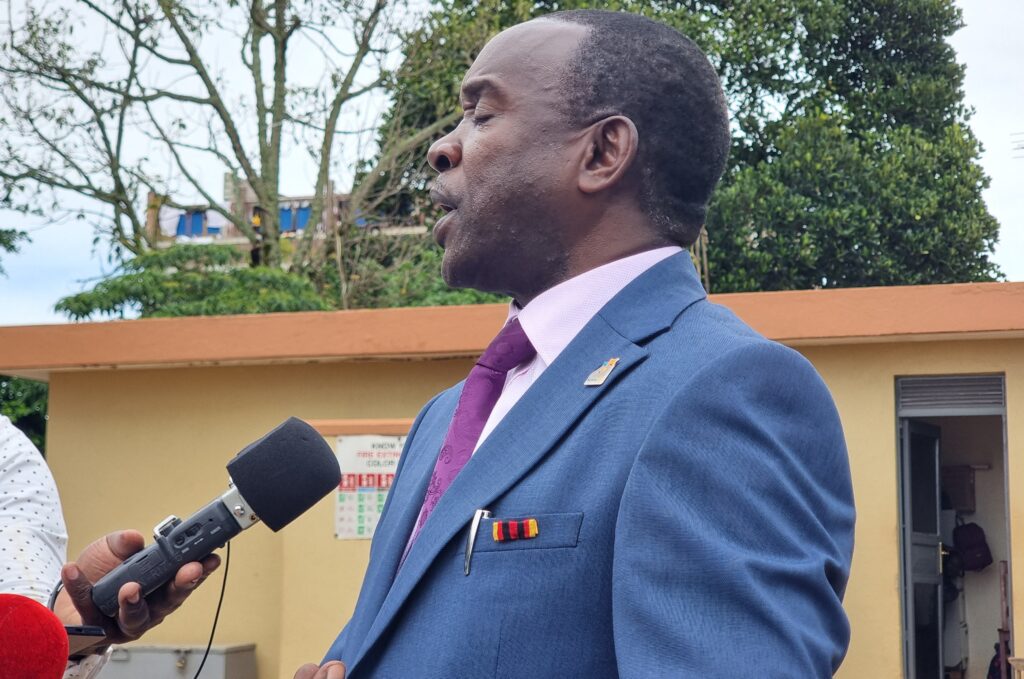
“Officials sitting back instead of acting on such a vital matter are painting government in bad light. The people of Kalangala deserve better,” Badda said.
Economic Impact on the Horizon
For local traders, transport operators, and tourism players, the implications of paid ferry services could be far-reaching.
Victoria Namugenyi, the LC3 Chairperson of Kalangala Town Council, warned that new ferry charges would likely be passed onto consumers through increased commodity prices.
“We’re already grappling with high transport costs to get goods from the mainland,” she said. “Adding ferry charges will inflate prices even further and put additional pressure on residents, especially the poor.”
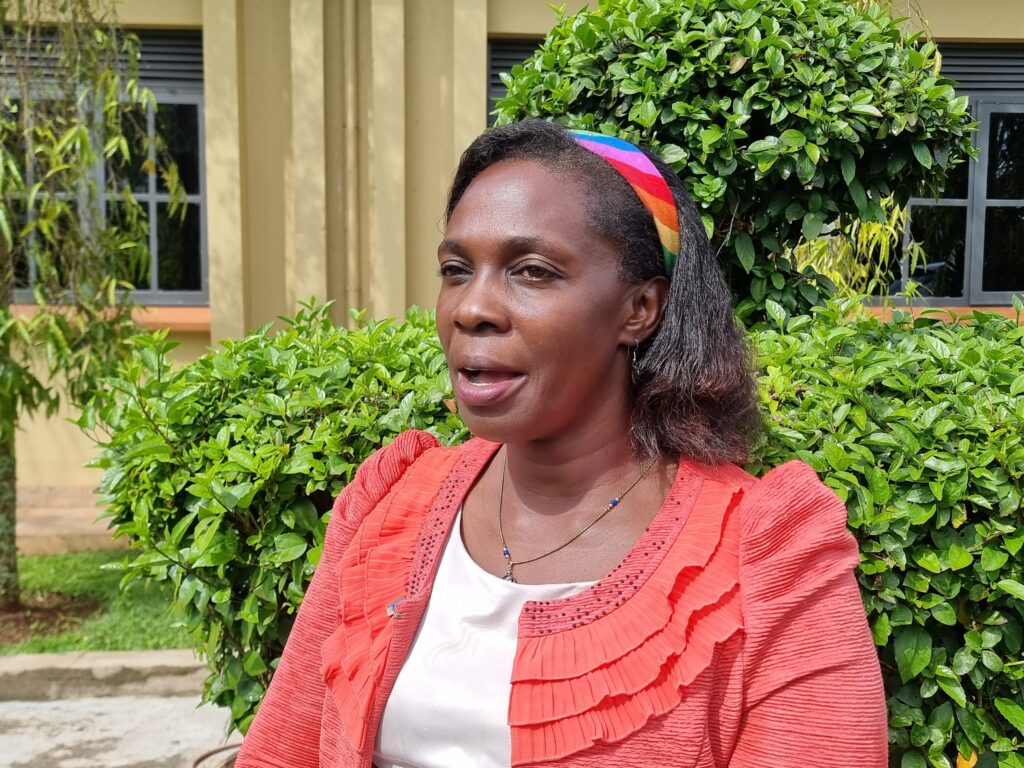
Namugenyi also noted that tourism — a growing sector in Kalangala — could take a hit. “Tourists might choose other destinations if getting here becomes more expensive or inconvenient,” she said. “This would affect our local revenue and small businesses that depend on tourism.”
A History of Promises
The Kalangala Infrastructure Services project was initially hailed as a model public-private partnership aimed at transforming island living.
Since its inception, it has played a key role in modernizing the district’s infrastructure — from ferry transport and power supply to the rehabilitation of the Luku-Bugoma-Kalangala Road.
For years, the ferry link between Bukakata and Bugoma has been the primary artery through which residents access hospitals, markets, and educational institutions on the mainland. The introduction of ferry charges risks disrupting this critical connectivity.
Experts argue that the government’s original decision to subsidize transport was based on principles of regional equity, acknowledging that remote island communities like Kalangala do not benefit from traditional road funding mechanisms.
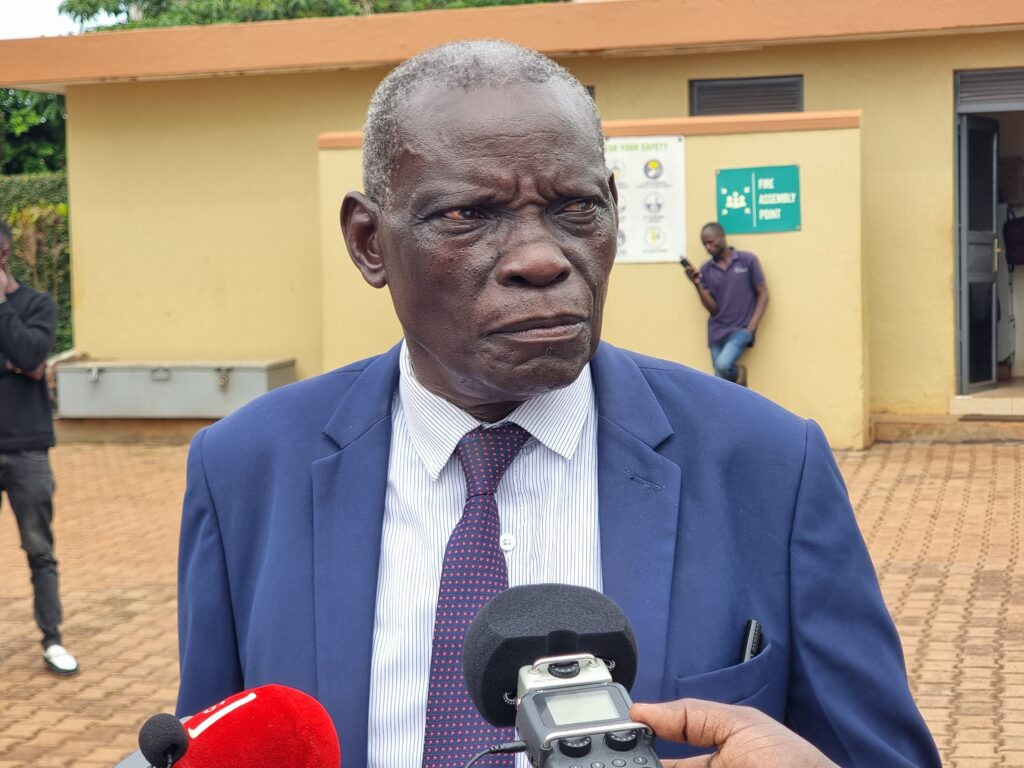
“Maintaining free ferry services is not just about convenience; it’s about ensuring that island residents are not left behind in national development,” said Augustine Kasirye, Buganda Kingdom’s representative for Ssese County (Kweba).
What Comes Next?
As the deadline for the subsidy agreement approaches, residents are watching anxiously. Without swift action from the Ministry of Works and Transport or a cabinet-level intervention, the region could witness a reversal of progress that took over a decade to achieve.
Community leaders are now urging the government to re-engage with KIS and secure an extension of the ferry subsidy — not just as a stop-gap measure, but as a reaffirmation of the state’s responsibility toward remote and vulnerable communities.
“If the government truly believes in inclusive development,” Nakimuli said, “then it must act now, not when the ferries stop running or when people start suffering.”
Until then, Kalangala stands on the edge of change — from free passage to paid fare — watching the waves and waiting for a decision that will determine their future on the water.







 English