

















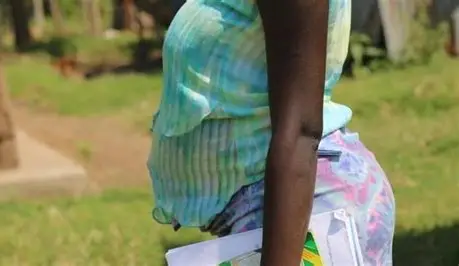
Health officials in Masaka have raised concern over what they describe as a growing crisis of unsafe abortions and pregnancy-related complications among teenage girls, warning that silence, stigma and poverty are costing young lives.
Speaking at a workshop organized for the Health Journalists Network Uganda at Court Lane Hotel, Masaka District Health Officer Dr. Faith Nakiyimba said health facilities in the district recorded 91 cases of abortion-related complications among girls aged 15 to 19 in 2025 alone.

Out of these, five teenagers lost their lives, 17 cases were linked to gender-based violence, and 33 required long-term hospitalization due to severe complications.
Dr. Nakiyimba stressed that the figures represent only those who managed to reach hospital facilities.
“Many more remain in villages, resorting to local herbs or unsafe methods. Some die in silence without ever seeking professional help,” she said.
Under Ugandan law, abortion is largely restricted, a factor Dr. Nakiyimba says contributes significantly to fear and secrecy.
Many girls, she noted, avoid health centers because they fear arrest or being stigmatized by their families and communities. Others are discouraged by negative attitudes from some health workers.
“In some cases, a nurse may shame a patient, telling her to wait until everyone else is treated because she ‘chose to throw away her baby.’ Such language pushes girls further away from care,” she explained, calling for more compassionate and non-judgmental post-abortion care services.
The crisis, she added, is rooted in broader social and economic challenges. Extreme poverty leaves many families unable to provide basic needs, pushing some girls into relationships with older men who later impregnate and abandon them.
In other cases, men deny responsibility for pregnancies. Survivors of rape, especially those assaulted by strangers, often suffer in isolation, unsure where to seek support and fearful of raising a child alone.
Compounding the problem is limited knowledge about managing pregnancy complications. Many teenagers resort to self-medication or unsafe traditional remedies, worsening their condition before they finally seek medical intervention.
Dr. Nakiyimba warned that failure to obtain timely medical care after an abortion or miscarriage can lead to devastating consequences, including infertility, permanent damage to reproductive organs, severe infections, excessive bleeding, and in extreme cases, removal of the uterus to save a patient’s life. Mental health complications, including depression and trauma, are also common.
She urged young women experiencing post-abortion or miscarriage complications to seek immediate medical attention and to prioritize proper recovery.
She advised adequate rest, eating nutritious meals with emphasis on green vegetables, staying hydrated, taking prescribed pain medication, avoiding sexual activity until bleeding stops, and refraining from heavy physical work such as carrying jerrycans of water.
She also encouraged girls to talk to someone they trust, join social support networks, and seek professional counseling.
“These young girls must know they are not alone,” Dr. Nakiyimba emphasized. “Many people have gone through similar experiences, and support is available. Seeking help early can save lives and protect their future.”
Health officials are now calling for stronger community sensitization, improved access to youth-friendly reproductive health services, and more empathetic care within health facilities to curb preventable deaths and long-term complications among teenagers in Masaka.







 English