
















Pastor Margaret Nelima and two of her followers are in police custody after they allegedly kept a decomposing body inside a house for days while praying for it to resurrect.
The deceased, Asse Ssegawa, 40, a resident of Butinindi Village in Ntenjeru–Kisoga Town Council, Mukono District, is believed to have died several days earlier.


According to police, Ssegawa fell ill three weeks ago while staying at his ancestral home. Instead of seeking medical treatment, his family relied solely on prayer under the guidance of Pastor Nelima—popularly known as Nabbi—who assured them that divine intervention alone would heal him.
Preliminary findings indicate that the pastor, together with Ssegawa’s mother and sisters, discouraged all attempts to take him for medical care, insisting that doing so would show a lack of faith. As his condition deteriorated, no effort was made to seek professional treatment.
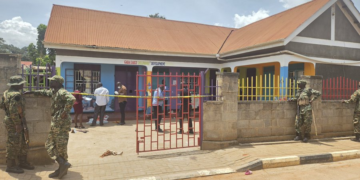
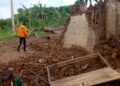
The situation came to light when neighbours noticed a foul smell coming from the homestead. Upon checking on the family, they discovered Ssegawa’s body in an advanced state of decomposition.
Village Chairperson Richard Ssewanyana said the family had refused to halt their prayer sessions even after it was clear that Ssegawa had died.
“They strictly followed the pastor’s instructions and denied him medical care. After he died, they still kept him inside, praying that he would resurrect,” Ssewanyana said.
Police responded and registered a case of rash and neglect at Kisoga Police Station, Kampala Metropolitan Deputy Police Spokesperson Luke Owoyesigyire confirmed.
Officers arrested Ssegawa’s mother, Eseza Nakalazi, 65; his sister, Suzan Nakonde—who is also referred to as a “pastor”; and Pastor Nelima.
The suspects remain in custody as investigations continue. A postmortem examination will determine the exact cause of death.
Owoyesigyire condemned the actions of the family and their spiritual leader, warning against extreme religious practices that endanger lives.
“Withholding medical treatment or keeping a deceased person in a home for extended periods in the hope of spiritual intervention is not only dangerous but criminal,” he said, emphasizing that religious beliefs must never override the duty to preserve life and respect the dignity of the dead.










 English