
















Police in Kampala have launched a search for 23-year-old Malaika Kisakye, a resident of Kasubi, who is reportedly on the run following a police raid linked to allegations of same-sex relations, which remain criminalised under Ugandan law.
The development follows the arrest of her alleged partner, identified as Mary …., during an operation at a private residence where the two women are said to have been living together as a couple.


According to information obtained by this publication, the police action was triggered by a tip-off from a person known to the two women.
The individual reportedly gained access to one of their mobile phones and discovered photographs and videos suggesting an intimate relationship. The material was subsequently shared with authorities, prompting a swift response.
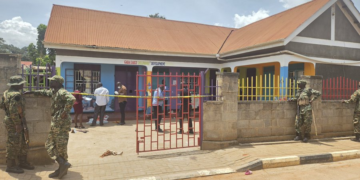
At the time of the raid, Mary Namulondo was at home and was arrested by officers from Kisubi police post who also conducted a search of the premises. Kisakye is said to have narrowly avoided arrest after stepping out to buy groceries shortly before police arrived.
Neighbours described a tense scene as officers entered the residence and later departed with the suspect, along with items believed to be exhibits, including mobile phones.
In a brief statement, Kampala Metropolitan Police spokesperson Recheal Kawala confirmed the operation.
“We received credible information from a concerned member of the public regarding suspected unlawful activity. Acting on that information, officers conducted an operation that resulted in the arrest of one suspect. Investigations are ongoing, and exhibits were recovered to support the case,” Kawala said.
Authorities have also confirmed that efforts are underway to trace the second suspect, who is now considered a person of interest as investigations continue.
Under Uganda’s legal framework, particularly the Anti-Homosexuality Act, same-sex relations are criminalised, with severe penalties upon conviction.
The law provides for life imprisonment in certain cases, while aggravated circumstances may attract harsher punishment.
Legal experts note that the outcome of such a case will largely depend on the nature and admissibility of evidence, including digital material such as photographs, videos and messages, as well as witness testimony.
Kisakye could face arrest if investigators establish sufficient grounds linking her to the alleged relationship.
Human rights advocates have previously raised concerns about cases of this nature, citing issues related to privacy, the handling of personal data, and the potential misuse of informants.
As investigations continue, the case is likely to attract attention both within Uganda and internationally, given its legal and social implications.










 English