
















Mukono District is stuck in a recruitment crisis with no immediate solution in sight after the District Service Commission (DSC) was barred from functioning over allegations of bribery, leaving more than 90 critical public service positions unfilled.
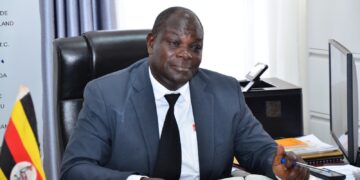
During a council session this week, Chief Administrative Officer (CAO) Henry Ddamba revealed that although the Public Service Commission cleared the district to recruit 94 workers, including 62 teachers, the process cannot proceed because the DSC is under suspension.


“We were cleared to recruit 94 workers, of which 62 are teachers, but we are stuck. We are trying to contact various stakeholders to find a solution in the shortest time possible.” Ddamba told the council.
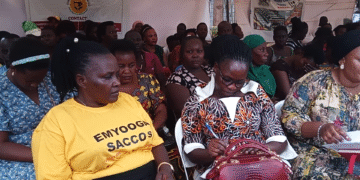
The delay has triggered fears that over Shs 2.6 billion allocated for wages may be returned to the national treasury unused. Youth councillor Rauben Ssenyonjo expressed frustration over the situation, warning that the district’s failure to act swiftly could hurt service delivery for years.
“I think it’s high time we leave those internal conflicts within the technocrats and even within us politicians,” Ssenyonjo said. “For the benefit of our people and our children, we must have teachers. If you visit schools, you find one teacher handling five classes; teaching science, English, mathematics, yet we still blame government schools for poor performance.”
He added that public schools are struggling under the weight of staff shortages, despite the district having the green light to hire new teachers.
Speaker Betty Hope Nakasi urged councillors to give the new CAO more time to consult stakeholders and find an amicable solution.
The recruitment crisis is rooted in a long-running conflict between the technical wing and District Chairperson Rev. Peter Bakaluba Mukasa, which left Mukono without a functioning DSC for three years.
The commission was eventually reconstituted following a court order last year in August, only to be banned again by the district LC5 chairperson after eight months when allegations of corruption in the recruitment process resurfaced.
The ban invited investigations by the State House Anti-Corruption Unit and the Ministry of Public Service, further entrenching the paralysis. To date, the commission remains inactive.
With no functioning DSC and no alternative in place, residents and local leaders have suggested hiring an external District Service Commission from neighboring districts to conduct the recruitments. However, the district council has not formally considered or adopted the proposal.
As Mukono continues grappling with teacher shortages, service gaps, and looming financial losses, leaders remain under pressure to quickly resolve the administrative stalemate and restore staffing in essential public services.








 English