

















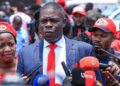
Uganda’s anti-corruption campaign has taken a fresh political turn after Patriotic League of Uganda (PLU) Secretary General David Kabanda publicly criticized what he described as selective accountability in ongoing corruption investigations involving senior government officials.
In a post on his X account, Kabanda argued that the country risks undermining the credibility of the anti-corruption fight if suspects are only subjected to dramatic arrests, house detention, and media attention without being fully prosecuted and convicted.


“If we’re serious about fighting corruption, we can’t stop at exciting the public with house arrests and headlines. People must be prosecuted and convicted so everyone learns the lesson,” Kabanda posted.
He further warned that forgiving individuals accused of large-scale corruption weakens public confidence and discourages those committed to fighting graft.
“This habit of forgiving, only for them to fight us again later, demoralizes every anti-corruption crusader,” he added.
Kabanda also questioned what he called unequal enforcement of justice, drawing comparisons between the prosecution of former Karamoja Affairs ministers Mary Goretti Kitutu and Agnes Nandutu in the Karamoja iron sheets scandal and the handling of other high-profile corruption allegations.
“You can’t convict Nandutu over 300 iron sheets, then forgive the one who stole the entire economy. The law must apply equally, whether to big or small fish,” Kabanda wrote.
His remarks come amid growing public debate over corruption investigations involving influential political figures and increasing concerns about whether anti-graft efforts are being applied consistently across all levels of government.
The comments have since triggered mixed reactions online, with some Ugandans backing Kabanda’s call for equal accountability, while others accuse political actors of selectively using anti-corruption rhetoric to target rivals or settle internal political scores.
Kabanda’s statement also comes at a time when Speaker of Parliament Anita Among continues to face public scrutiny over allegations related to abuse of office and illicit enrichment, claims she has repeatedly denied.
Political analysts say the latest remarks point to growing divisions within ruling party circles over how corruption cases involving powerful officials should be handled.








 English