
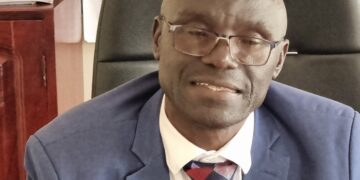













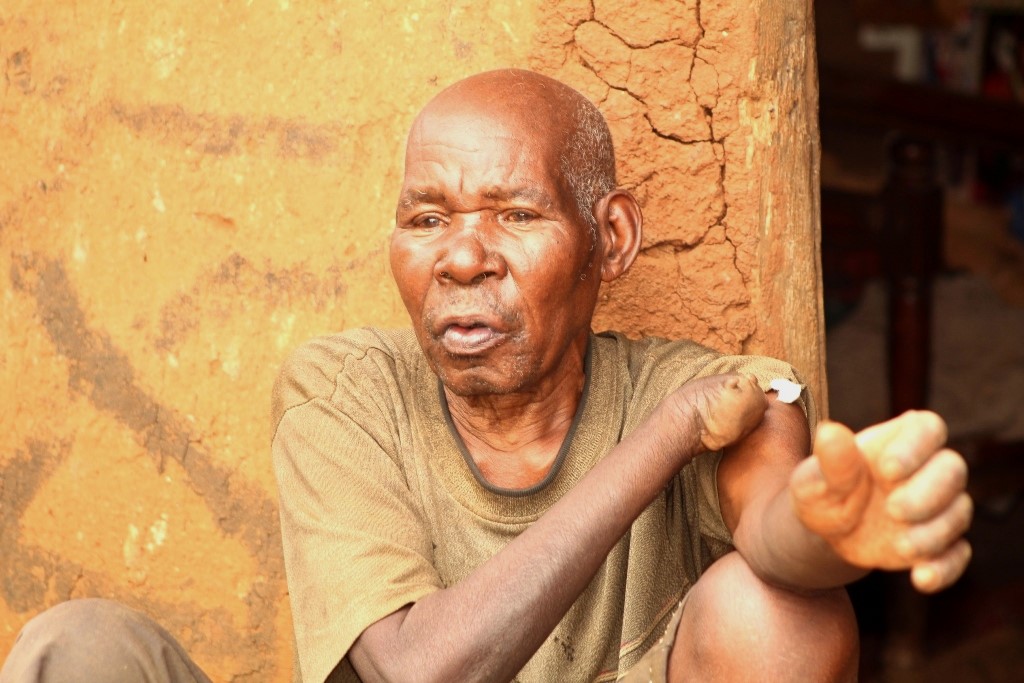
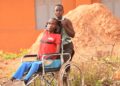
80-year-old Leonard Katongole, an elderly man with a physical disability from Kiyoka B village in Kibinge sub-county, passed away on Monday due to severe malnutrition.
He had no family to take care of him and depended entirely on the kindness of people in his community for help.


“I’m getting older and too weak to do manual work like digging. I’m very poor and can hardly afford basic needs. My survival relies on God,” he said before he died.
Before his passing, he had hoped to benefit from the government’s Social Assistance Grants for Empowerment (SAGE) program but didn’t know how to get it.
“For someone in my situation, receiving that monthly amount (UGX 25,000) could have made a huge difference for me. It might have motivated me to do even more, but I never got it, which made my situation even more desperate,” he explained.
Sadly, Katongole, like many other elderly people in similar situations, faced the same struggles due to a lack of access to essential needs and services.
Many elderly people are unable to support themselves financially, as they are frail and can no longer do hard labor to make a living.
Unfortunately, a significant number pass away in poverty, having spent their later years struggling to survive.
As the elderly commemorated International Day of Older Persons on Tuesday, many challenges were brought to light.
Calls for the government to intervene and address the pressing concerns of the elderly population were widespread.
Among these issues are inadequate healthcare, poor access to social security, and the rising cost of living.
The event took place at the Liberation Square in Masaka city with the theme “Protection and Promotion of elder persons rights everyone’s responsibility because aging is not an option”.
President Yoweri Museveni urged elderly Ugandans to adopt healthier lifestyles and avoid harmful behaviors, stressing the importance of preventive measures to improve their well-being.
Museveni’s message, delivered by Vice President Jessica Alupo, focused on the need for older Ugandans to take responsibility for their health as they age.
The president warned against harmful habits like smoking, excessive drinking, drug abuse, and adultery. He explained that these behaviours can make aging more difficult and lead to poor health.
Museveni urged the elderly to avoid these habits, encouraging them to adopt healthier practices that will help them live better and age more comfortably.
He also highlighted the importance of daily routines and staying mentally active.
The president advised older adults to take part in small activities or businesses that keep their minds sharp, helping to reduce the chances of memory loss and other age-related issues.
“Every elderly person should have a daily plan, so that when you wake up, your mind knows exactly what you are going to do throughout the day,” the President said.
Museveni also suggested that staying both mentally and physically active would help older Ugandans maintain their independence longer.
Physical Fitness
Museveni announced plans to introduce a weekly national physical activity day, monitored by local authorities under the Parish Development Model’s Health and Mindset Change pillar.
The initiative is aimed at encouraging regular exercise and promoting active aging, helping to prevent non-communicable diseases like hypertension, diabetes, and heart disease, which are becoming increasingly common among the elderly.
He encouraged older people to take up daily walking, either in the morning or evening, as a simple way to stay fit and active.
“Regular exercise is crucial in reducing the rise of non-communicable diseases among our aging population,” he said.
The President also revealed that he has instructed the Attorney General to review and amend the Older Persons Act to strengthen protections for senior citizens.
Proposed changes include ensuring respect for elders in public service offices, providing specialised training for caregivers, and implementing stronger safeguards to protect elderly people from exploitation by their adult children.
One of the key issues Museveni tackled was the growing problem of selfish adult children, especially those over 25, who forcibly take their elderly parents’ property.
He pointed out that amendments to the Older Persons Act will aim to protect the property rights of seniors and safeguard their financial security.
Financial Support to Elderly Communities
As a gesture of support, Museveni donated a symbolic cheque worth UGX 117 million (about USD 31,500) to assist elderly citizens in Greater Masaka Districts through the National Special Enterprise Grant.
This fund is designed to help the elderly start or expand small businesses, providing them with a way to sustain themselves and improve their livelihoods.
The President ended his message by reaffirming the government’s commitment to improving the welfare of older Ugandans, stressing that it is everyone’s responsibility to protect and uphold the dignity of senior citizens.
The event in Masaka was part of ongoing efforts to raise awareness about elderly rights and promote policies that support healthy aging, as concerns continue to grow about the difficulties seniors face in accessing healthcare, social services, and legal protections.
ENDS







 English