













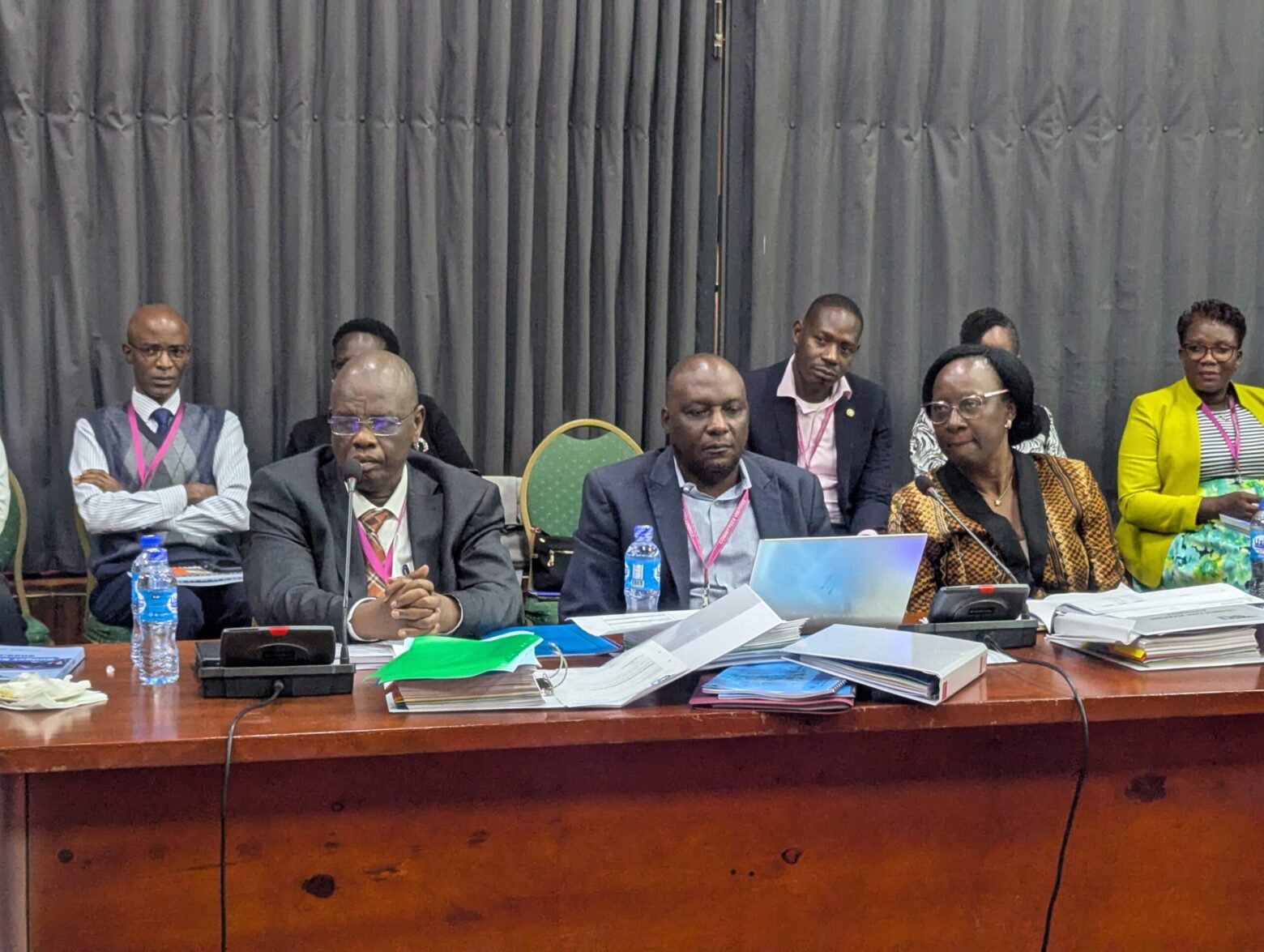
The Uganda Civil Aviation Authority (UCAA) has been directed to submit to Parliament’s Committee on Commissions, Statutory Authorities and State Enterprises (COSASE) the files of 82 former employees who were dismissed after being found with forged academic documents.
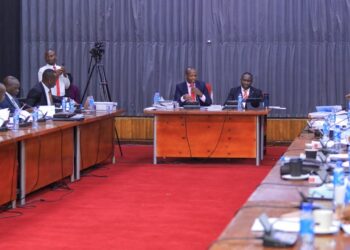
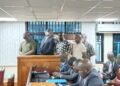
The directive followed a COSASE hearing in which Members of Parliament questioned UCAA officials over the circumstances surrounding the dismissal of the former employees and the decision to withhold their terminal benefits.
The committee, chaired by Kyadondo East MP Hon. Nkunyingi Muwada, asked UCAA to provide detailed records showing how the affected employees were recruited, subjected to disciplinary proceedings and eventually dismissed.
UCAA Director General Fred K. Bamwesigye told the committee that the forged academic documents were uncovered during a comprehensive verification exercise conducted about two to three years ago.
He explained that, in the past, UCAA largely relied on original academic certificates submitted by applicants during recruitment and did not routinely verify them directly with the institutions that issued them.
The verification exercise, however, led to the discovery that 82 employees had submitted forged academic documents.
Bamwesigye said the exercise was part of a broader effort to clean up the authority and strengthen its human resource management systems. He added that UCAA has since tightened the verification of academic qualifications during recruitment and promotions.
UCAA Director of Human Resources Sabah Ahmed told MPs that the affected employees were subjected to disciplinary proceedings before their cases were referred to management and subsequently to the UCAA Board, which approved their dismissal.
She said some of the employees were found to have submitted more than one forged academic document.
Ahmed added that the former employees were given an opportunity to appeal, with some of them seeking intervention from various government and political offices over the past two years.
However, she revealed that although UCAA had calculated the terminal benefits due to the former employees for the period they had served, the money had not been paid.
According to Ahmed, UCAA’s Human Resource Manual provides that employees dismissed for forgery are not entitled to terminal benefits.
The explanation, however, raised concerns among COSASE members, who demanded to know the legal basis for withholding the former employees’ benefits.
MPs asked UCAA officials to identify the specific provision of the Employment Act that allows an employer to withhold or forfeit terminal benefits following dismissal for misconduct.
The committee also questioned where the unpaid money was being held and how it was being accounted for.
UCAA’s Corporation Secretary maintained that the disciplinary proceedings were conducted in accordance with the authority’s Human Resource Manual and the Employment Act.
However, the officials were unable to immediately point to a specific provision of the law supporting the forfeiture of the former employees’ terminal benefits.
COSASE members also questioned how some of the affected employees had remained in UCAA’s employment for several years without their academic qualifications being detected as fraudulent.
The committee subsequently directed UCAA to submit the files of all 82 former employees, including their employment records, disciplinary proceedings and terminal benefit calculations, for further scrutiny.
The documents are expected to help COSASE determine whether the dismissals and the withholding of terminal benefits were handled in accordance with the law.






 English