













KAMPALA — Senior engineers at the Ministry of Works and Transport have defended the extensive redesign of the Busega-Mpigi Expressway, saying the changes were necessary to transform an outdated road concept into a modern expressway capable of meeting Uganda’s growing transport demands.
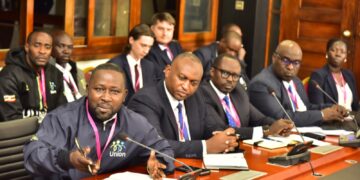
The officials made the remarks during a field inspection led by the Inspector General of Government (IGG), Justice Aisha Nalule Bitala, as investigations continue into concerns over the project’s rising cost, revised alignment and compensation payments.


The 23.7-kilometre expressway, which is expected to ease traffic congestion along the Kampala-Masaka corridor and improve transport to southwestern Uganda, has attracted public attention after its estimated cost increased from about UGX 547.5 billion to approximately UGX 1.3 trillion.
According to engineers, much of the criticism surrounding the project stems from comparisons between the original concept developed more than a decade ago and the significantly upgraded design now under implementation.
Speaking during the site visit, Eng. Godfrey Bihemaiso, the Assistant Commissioner for Road Construction and Rehabilitation at the Ministry of Works and Transport, said the initial design prepared around 2010 lacked many of the features expected of a modern expressway.
He explained that the original proposal resembled the first phase of the Northern Bypass and did not include flyovers, interchanges, link roads or tolling infrastructure.
“The original design was much simpler and was never intended to operate as a fully-fledged tolled expressway,” Bihemaiso said.
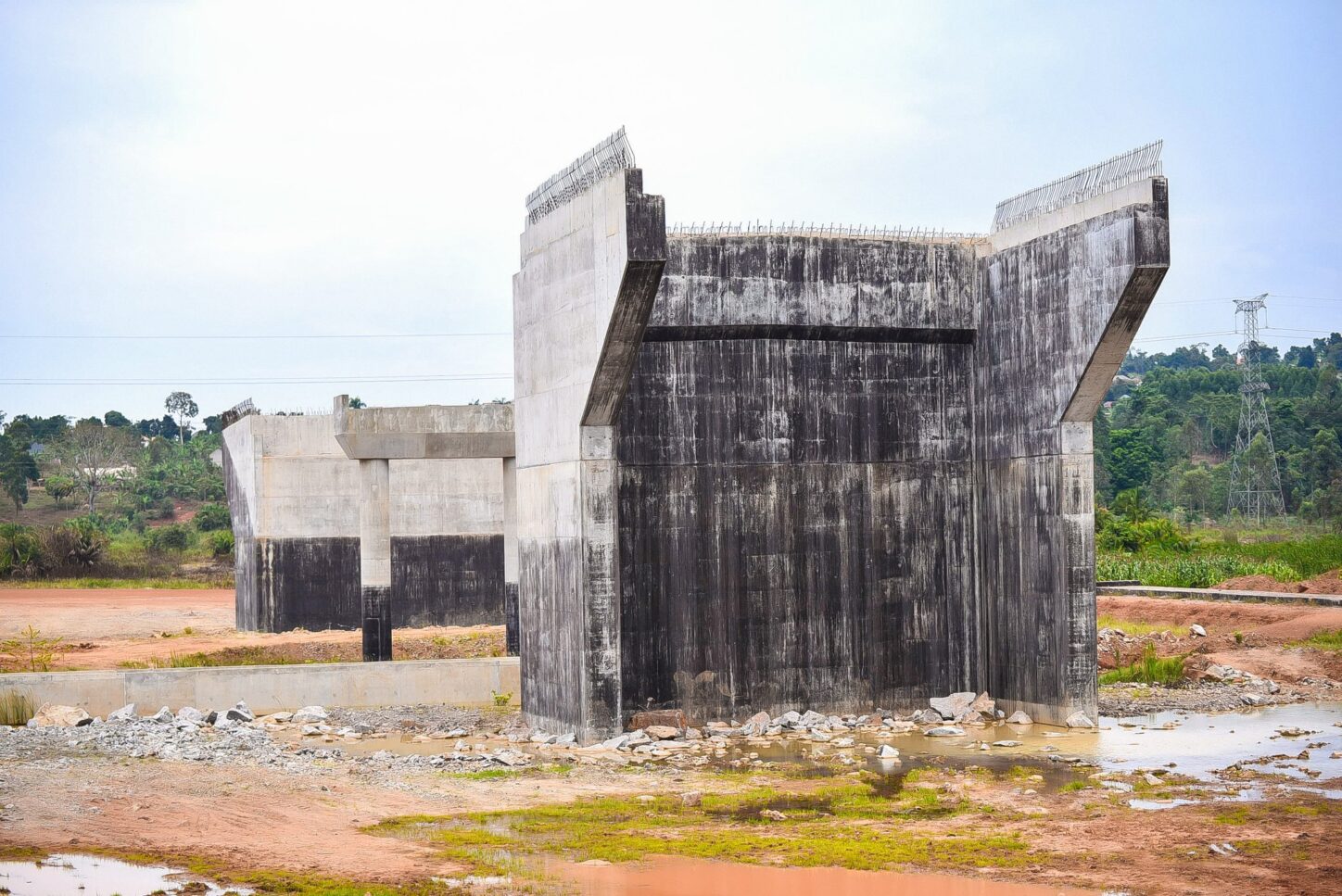
The revised design introduces several major improvements, including interchanges at Nabbingo, Maya and Mpigi, additional link roads connecting Kyengera, Katende, Bujjuko, Lungala and Mpigi, as well as new service roads to improve access for surrounding communities.
Engineers also upgraded the road from a two-lane highway to a four-lane dual carriageway and extended the alignment beyond Mpigi towards Kalagala to provide a smoother connection to the existing Masaka Road.
To address flooding challenges across wetlands, the redesign incorporates seven additional bridges, dozens of box culverts and improved drainage systems intended to increase the road’s resilience during heavy rains.
The expressway will also feature four toll plazas and has been redesigned to comply with modern expressway safety standards, including improved visibility and road gradients.
Officials noted that the expanded scope significantly increased the amount of earthworks, swamp excavation and construction materials required. They said these additional works, together with the need to transport materials from distant locations, contributed substantially to the higher project cost.
Another key modification involved changing sections of the road alignment to reduce disruption to trading centres and avoid conflicts with the planned Standard Gauge Railway corridor.
Project Contract Manager Isaac Ssekubunga said the earlier alignment would have divided several communities and created isolated strips of land between the railway and the expressway, making future development more difficult.
Compensation remains another major area of public interest. Government estimates indicate that about UGX 118 billion will be paid to 4,222 project-affected persons along the 591.8-acre corridor.
Responding to concerns over the compensation bill, Ministry land officer Ivan Kimera said international financing institutions require compliance with strict environmental and social safeguards.
He explained that compensation is not limited to registered landowners but also covers people whose livelihoods are affected by the project, including some occupants of wetland areas, in line with international standards that discourage forced evictions.
During the inspection, Justice Bitala questioned allegations that some individuals had received compensation under both the original and revised road alignments.
However, ministry officials rejected the claims, maintaining that no payments were made along the abandoned route and describing the allegations as inaccurate.
Engineers further argued that project redesigns leading to increased costs are common where detailed engineering studies are completed after initial project approval.
They cited previous observations by Parliament’s Committee on National Economy, which noted that the original contract had been signed before comprehensive engineering designs were finalized, making later cost adjustments inevitable.
According to the ministry, the revised project offers improved safety, greater durability and better integration with future national infrastructure projects, including the Standard Gauge Railway.
Officials also dismissed claims that the revised project cost was determined solely by the contractor. They said the estimates underwent several stages of technical review involving independent consultants, the Ministry of Works and Transport and the project’s financiers before being considered for approval.
Bihemaiso said the final project cost has not yet been agreed upon because negotiations between government, the contractor and the financing institution are still ongoing.
He revealed that the contractor submitted 11 claims for additional costs, which are currently being reviewed by the financier with the aim of reducing the overall project budget before a final figure is approved.
The Busega-Mpigi Expressway remains under investigation by the Inspector General of Government, assisted by State House forensic auditors, following a directive from President Yoweri Museveni over concerns regarding cost escalation, design revisions, procurement procedures and compensation payments.
Investigators are examining whether all changes to the project were properly justified and approved, while several engineers and project officials have already recorded statements as the probe continues.





 English