

















The Government’s decision to dedicate the last Saturday of every month to a nationwide cleaning exercise is a commendable step towards addressing one of Uganda’s most persistent public health challenges.
Poor sanitation continues to fuel preventable diseases, clog drainage systems, pollute the environment and undermine the country’s development aspirations. The initiative therefore deserves the support of every Ugandan.


However, its long-term success will depend not on police roadblocks or mandatory participation, but on whether it succeeds in changing attitudes and building a lasting culture of cleanliness.
Government has justified the programme by citing alarming public health statistics. According to the Office of the Prime Minister, diseases such as malaria, typhoid and diarrhoea continue to claim lives because of poor sanitation and hygiene.
Kampala alone generates thousands of tonnes of solid waste every day, yet only a portion is collected, leaving the rest to block drainage channels and create breeding grounds for disease. Those figures are a reminder that cleanliness is not merely an environmental issue. It is a matter of life and death.
That reality explains why National Cleaning Day has been welcomed by many Ugandans. Few would disagree that cleaner communities mean healthier families, reduced healthcare costs, improved tourism and more attractive cities and trading centres.
The initiative also reinforces Article 39 of the Constitution, which gives every citizen the right to a clean and healthy environment while placing a duty on all Ugandans to protect it.
Yet good intentions alone do not guarantee successful public policy.
The first implementation exposed several weaknesses that should be addressed before the next exercise. Many Ugandans were uncertain about the operational guidelines, while some essential service providers found themselves caught between government policy and inconsistent enforcement.
Private security guards transporting personnel to banks, schools, shopping malls and other protected facilities reported being stopped, detained and ordered to participate in cleaning despite earlier police communication suggesting security services were exempt. Journalists also questioned why they had not been clearly recognised among essential workers.
These incidents should not be dismissed as isolated complaints. They demonstrate the importance of clear communication before implementing any nationwide programme. A directive that affects millions of people cannot rely on assumptions or verbal explanations after enforcement has already begun.
Government should therefore publish comprehensive operational guidelines well before every National Cleaning Day. The public deserves clarity on who is exempt, what activities are expected, how emergency services will operate and what role local leaders should play. Every district should receive identical instructions to avoid different interpretations by enforcement officers.
More importantly, National Cleaning Day must not become synonymous with police deployment. Enforcement has its place, but no country has ever achieved lasting environmental change through fear alone. Sustainable cleanliness grows from public ownership.
Communities should be encouraged to identify their own sanitation priorities rather than simply responding to government directives. Local councils, Resident District Commissioners, religious leaders, schools, youth organisations, women’s groups and cultural institutions should be empowered to mobilise residents throughout the month, not only on the final Saturday.
Government could further strengthen participation by introducing annual awards for the cleanest districts, municipalities, markets, schools and villages. Healthy competition among communities would encourage continuous improvement while recognising local innovation.
Equally important is addressing the root causes of poor sanitation.
Cleaning roads every month will have limited impact if garbage collection remains inadequate, drainage systems are poorly maintained and illegal dumping continues unchecked.
Local governments should ensure sufficient waste collection vehicles, designated disposal sites and public waste bins are available before every exercise. Otherwise, communities may simply relocate waste from one place to another.
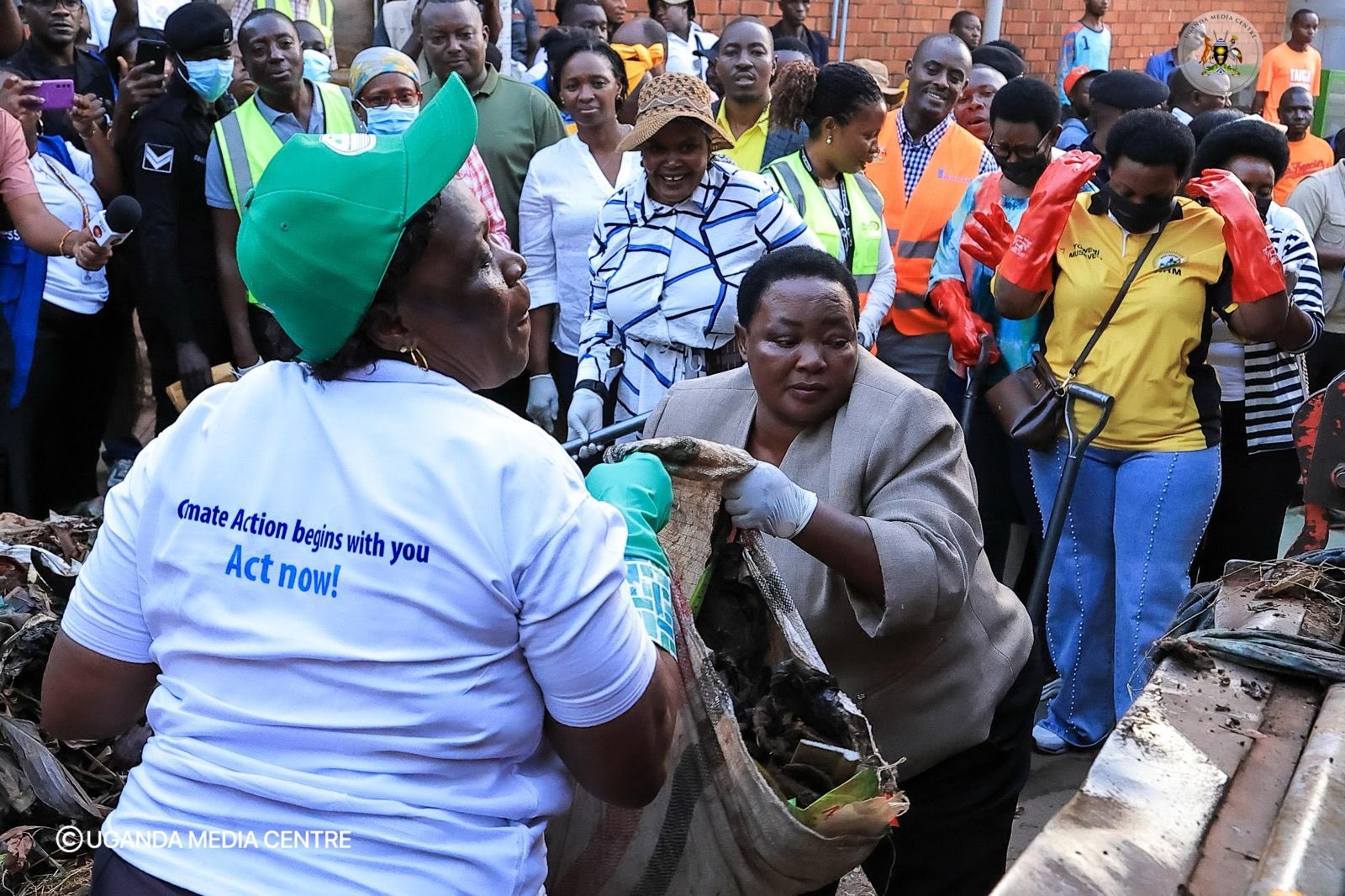
National Cleaning Day should also become an environmental restoration campaign. Communities can combine clean-up activities with tree planting, wetland protection, riverbank restoration and plastic waste reduction. Such activities would help Uganda tackle not only sanitation challenges but also the growing effects of climate change.
Schools should be central to this effort. Environmental education must become part of everyday learning so that children grow into adults who value cleanliness naturally rather than because they fear punishment.
The same approach should extend to markets, health facilities, taxi parks and places of worship, where sanitation standards directly affect thousands of people every day.
The private sector also has an important role. Businesses should treat National Cleaning Day as an opportunity to invest in cleaner communities through corporate social responsibility. Donations of waste bins, protective equipment, cleaning tools and community awareness campaigns would significantly strengthen the initiative.
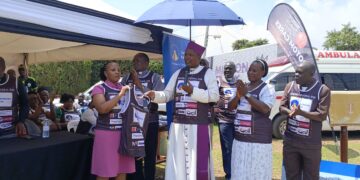
One issue requiring thoughtful leadership is the concern raised by the Seventh-day Adventist Church. The Church has made it clear that it fully supports environmental cleanliness but has requested accommodation because Saturday is observed as the biblical Sabbath. It has proposed participating on Fridays or Sundays while discussions with Government continue.
This should not become an unnecessary confrontation. Uganda’s Constitution protects both public health and freedom of religion. These principles can coexist. Providing reasonable accommodation for religious communities that remain committed to the objectives of National Cleaning Day would strengthen national unity while demonstrating respect for constitutional rights.
The Government should also begin measuring the programme’s impact beyond participation figures. Success should be evaluated through improvements in waste collection, reductions in blocked drainage channels, lower cases of sanitation-related diseases and cleaner public spaces. Without measurable outcomes, National Cleaning Day risks becoming a symbolic monthly event rather than a transformative public health intervention.
Ultimately, the greatest challenge is ensuring that Ugandans do not reserve cleanliness for one Saturday every month. A nation cannot be clean for three hours and dirty for the remaining thirty days. Clean compounds, proper waste disposal, regular drainage maintenance and responsible environmental practices should become everyday habits in homes, schools, businesses and institutions.
National Cleaning Day has the potential to become one of Uganda’s most impactful public health programmes. But that will only happen if Government shifts its focus from enforcing compliance to inspiring civic responsibility.
When every Ugandan understands that keeping the environment clean is both a personal duty and a patriotic act, the country will have achieved something far greater than a successful monthly exercise. It will have built a national culture of cleanliness that future generations will proudly inherit.
The writer, Ivan Kimbowa, is a senior journalist and analyst. He can be reached on +256 701 584 195 or via email at ivankimbowa7@gmail.com.












 English