
















Parliament’s Committee on Tourism, Trade and Industry has intensified its investigation into the Uganda National Bureau of Standards (UNBS), placing the standards regulator under scrutiny over allegations of poor governance, lengthy certification delays, weak enforcement of standards and claims that its procedures are hindering, rather than promoting, business growth.
The inquiry, which resumed this week after being carried over from the 11th Parliament, seeks to establish whether governance and leadership challenges at UNBS have undermined the bureau’s constitutional mandate of protecting consumers while facilitating trade and industrial development.
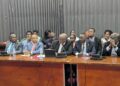
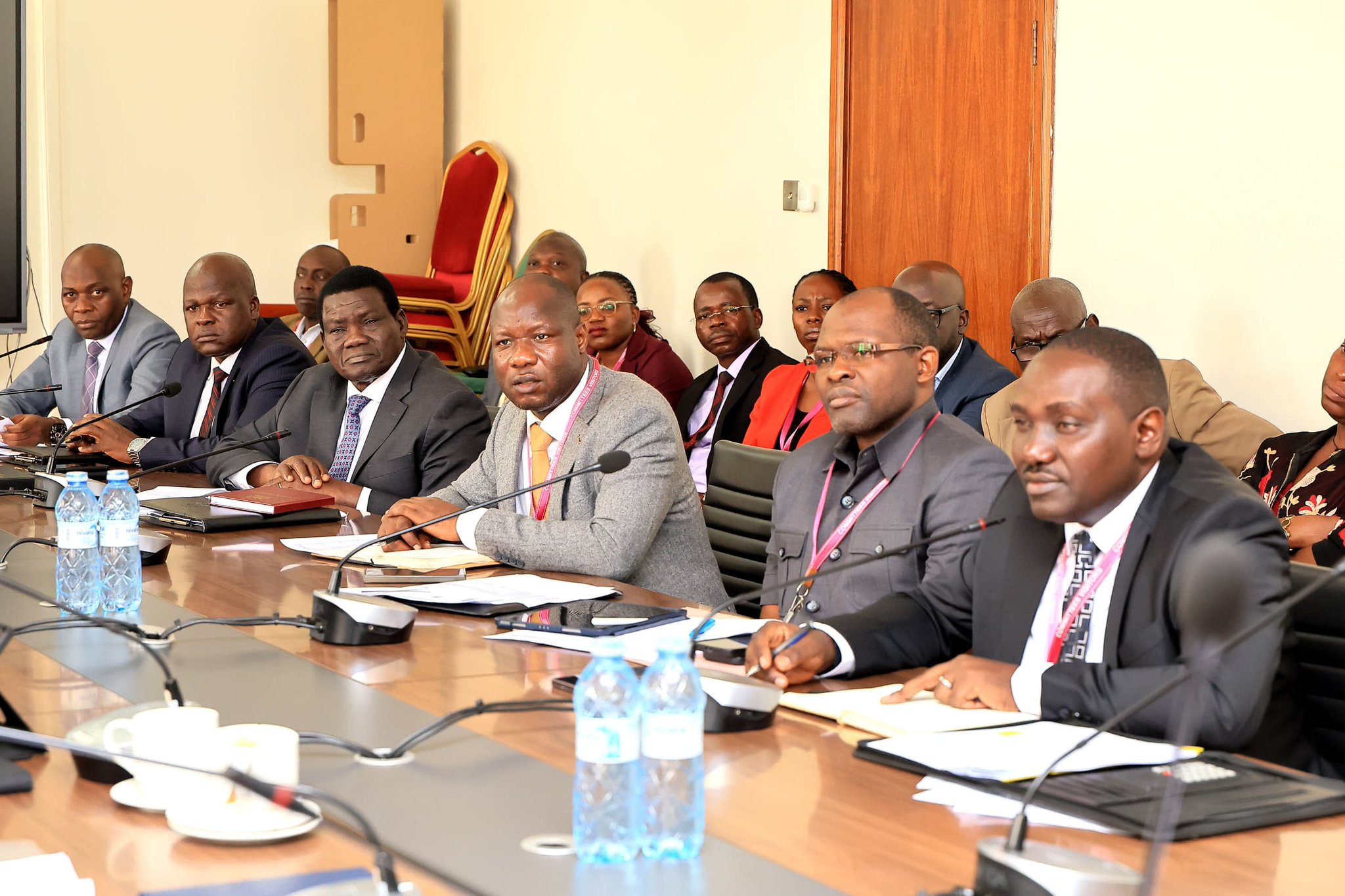
The committee began hearings on Wednesday by receiving submissions from stakeholders, including the Uganda Revenue Authority (URA), on concerns raised by small and medium enterprises (SMEs) regarding UNBS’s leadership, governance and performance. On Thursday, Members of Parliament heard testimony from officials of the Private Sector Foundation Uganda (PSFU), former UNBS directors and other stakeholders.
Committee Chairperson Boniface Okot said Parliament revived the investigation following persistent public complaints over counterfeit products, leadership instability and concerns about the bureau’s effectiveness in carrying out its mandate.
“We have continued receiving complaints from the public, especially regarding counterfeit goods and the performance of UNBS. Parliament has a responsibility to establish whether the institution is fulfilling its role,” Okot said.
The committee is examining both governance issues and the bureau’s operational performance, particularly its relationship with SMEs, which account for nearly 90 percent of Uganda’s private sector, contribute about 20 percent of the country’s Gross Domestic Product (GDP), and employ an estimated 2.5 million people.
Appearing before the committee, PSFU Policy Coordinator Martin Maku attributed many of the bureau’s operational challenges to severe understaffing.
He told MPs that although UNBS is expected to have about 1,200 employees, it currently operates with only around 550 staff, less than half its required workforce, despite the country’s expanding private sector and increasing number of districts.
According to Maku, the staffing gap has significantly weakened market surveillance, product inspections and certification services at a time when more businesses are introducing products that require testing and approval.
He also cited inadequate operational funding, saying inspectors often lack transport and other facilitation needed to carry out routine inspections, verify weighing equipment and monitor compliance with product standards.
Stakeholders further told the committee that obtaining UNBS certification has become one of the biggest challenges facing businesses.
Maku cited exporters transporting maize flour to South Sudan who reportedly wait up to a week for laboratory test results after loading their trucks, resulting in costly delays and financial losses.
Okot said some businesses have reported waiting as long as eight months to obtain certification even after paying the required fees.
He compared the delays to purchasing a YAKA electricity token and receiving it eight months later, saying such inefficiencies defeat the purpose of facilitating trade and investment.
The committee also heard allegations that some businesses are forced to make unofficial payments worth millions of shillings to speed up certification processes.
Maku acknowledged the complaints, attributing them to corruption and weak accountability mechanisms within the institution.
He warned that failure to hold corrupt officials accountable encourages unethical practices and discourages investment.
Beyond allegations of corruption, stakeholders argued that the official certification charges are themselves too expensive for many small businesses.
Although the average certification fee is about UGX 500,000, entrepreneurs must also meet laboratory testing costs and annual renewal fees. MPs heard that the cumulative expenses can consume up to 60 percent of the revenue generated by some small manufacturers.
Okot warned that the high compliance costs are driving many rural enterprises out of business before they can establish themselves.
PSFU proposed a substantial reduction in certification costs, arguing that affordable compliance would encourage more businesses to formalise, broaden the tax base and ultimately increase government revenue.
Rubaga South MP Eugenia Nassolo raised concerns that some manufacturers submit high-quality product samples for certification but later compromise standards once approval has been granted.
She said UNBS lacks the financial and human resources needed to conduct regular inspections and post-certification surveillance to detect such practices.
Nassolo urged the government to strengthen the bureau’s inspection capacity to better protect consumers from substandard products.
Committee members also questioned why service delivery remains poor despite Parliament increasing UNBS’s budget from UGX 63 billion to UGX 138 billion.
Okot said the committee wants bureau officials to account for how the additional funding has been utilised and explain why complaints from businesses have continued despite the significant budget increase.
MPs further raised concerns over recurring leadership changes, allegations of corruption involving senior officials and persistent governance disputes within the National Standards Council and the bureau’s management.
Another issue under investigation is UNBS’s limited presence at border entry points.
The committee heard that many customs stations operate without UNBS officers to inspect imported goods, raising fears that counterfeit and potentially dangerous products are entering the Ugandan market unchecked.
Lawmakers also questioned why fishermen continue to be penalised for using substandard fishing gear that, they argued, should never have entered the country if import inspections were functioning effectively.
The inquiry continues on Friday, when the committee is expected to meet officials from UNBS, the Ministry of Trade, Industry and Cooperatives, and the Ministry of Finance to respond to the concerns raised by stakeholders.








 English