


















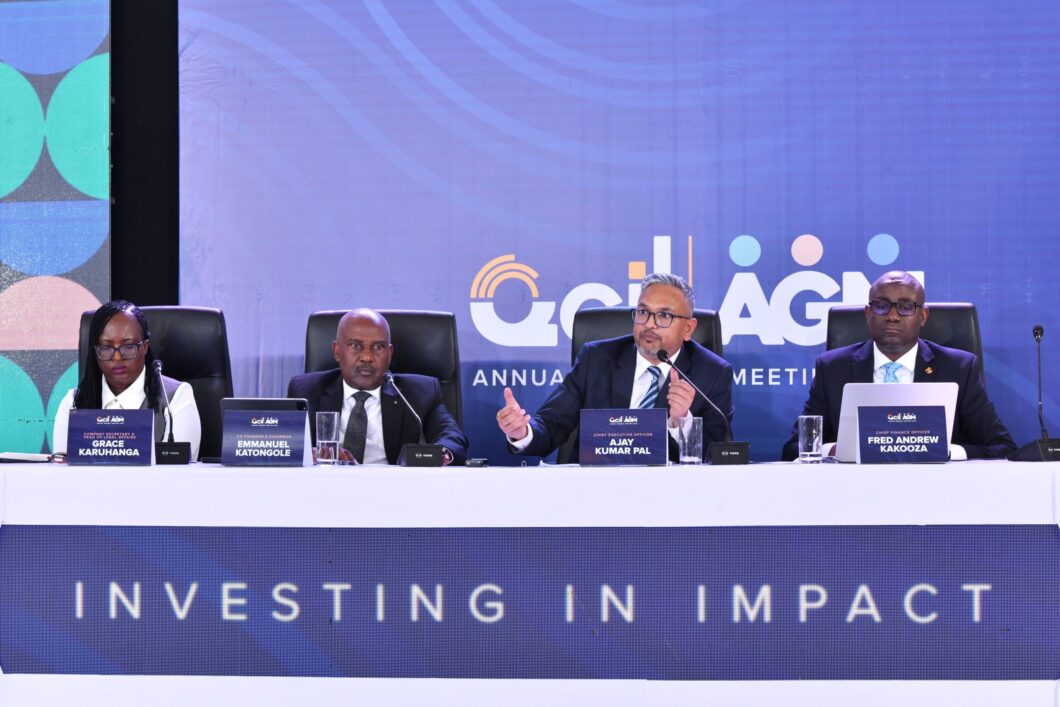
Quality Chemical Industries Limited (QCIL) has announced its strongest financial performance since it was established, posting a third consecutive year of rising profits driven by increased production capacity, product diversification and expanding regional markets.
For the financial year ending March 2026, the Ugandan pharmaceutical manufacturer reported revenue of more than Shs290 billion, representing an 8.8 percent increase from the previous year. Profit after tax rose sharply by 38.8 percent to a record Shs56.4 billion.


Speaking during the company’s Annual General Meeting, Board Chairman Emmanuel Katongole described the results as the best in QCIL’s history. He attributed the growth to sustained investment in manufacturing infrastructure, the introduction of new medicines and rising demand for the company’s products across the region.
Shareholders approved a final dividend of Shs6.4 per share, bringing the total dividend payout for the financial year to Shs16.6 per share.
Katongole said the company achieved several key milestones during the year, including the start of construction of a second manufacturing facility and the rollout of new products, among them medicines used in the treatment of sickle cell disease.
Having built its reputation on producing antiretroviral and antimalarial medicines, QCIL has steadily expanded its portfolio to include treatments for both communicable and non-communicable diseases, strengthening its position as one of Sub-Saharan Africa’s leading pharmaceutical manufacturers.
The company recently completed Africa’s only manufacturing facility dedicated to Hydroxyurea, a medicine used in the treatment of sickle cell disease. It also launched 15 additional products targeting illnesses such as diabetes, hypertension, allergies, fungal infections and bacterial diseases.
Construction of a new plant in Luzira is expected to significantly increase production capacity while enabling the manufacture of injectable medicines for the first time. The project, financed through internally generated resources and bank loans, is expected to be completed within the next 24 months.
Chief Executive Officer Ajay Kumar Pal said the company’s performance was achieved despite a challenging global business environment marked by geopolitical instability, trade tensions, supply chain disruptions and limited access to international financing.
Even so, the board cautioned shareholders that part of this year’s earnings resulted from one-off income, including the recovery of outstanding payments owed by the Government of Zambia. It therefore advised investors not to regard the current dividend level as the standard for future payouts.
Looking ahead, the company expects profit margins to come under pressure due to increasing competition, evolving procurement practices, fluctuating prices for raw materials and continued global supply chain uncertainties, particularly affecting active pharmaceutical ingredients.
Pal also rejected claims that medicines labelled “Made in India” indicate the company imports finished products for resale. He explained that such products are initially manufactured through strategic arrangements to test market demand before production is eventually transferred to Uganda.
He said QCIL plans to make sickle cell treatment one of its flagship product lines, citing the high burden of the disease, limited availability of affordable medicines and the urgent need to reduce childhood deaths associated with the condition.
The company’s improved financial performance has also strengthened investor confidence, with its share price nearly doubling to Shs136.
QCIL’s ownership changed in November 2023 when Africa Capitalworks acquired the 51.18 percent stake previously held by Cipla. The company officially rebranded from Cipla Quality Chemical Industries Limited to Quality Chemical Industries Limited in February 2024.
The pharmaceutical manufacturer currently produces about 1.2 billion tablets annually, exports medicines to at least 13 African countries and holds regulatory approvals in 31 markets across the continent.
Katongole also dismissed suggestions that Cipla exited the business because of poor performance, saying the divestment was undertaken in accordance with the terms agreed upon when the company was originally established.












 English