











The government has extended the mandate of all Local Council One (LC1) and Local Council Two (LC2) chairpersons together with their executive committees, allowing them to remain in office until new leaders are elected later this year.
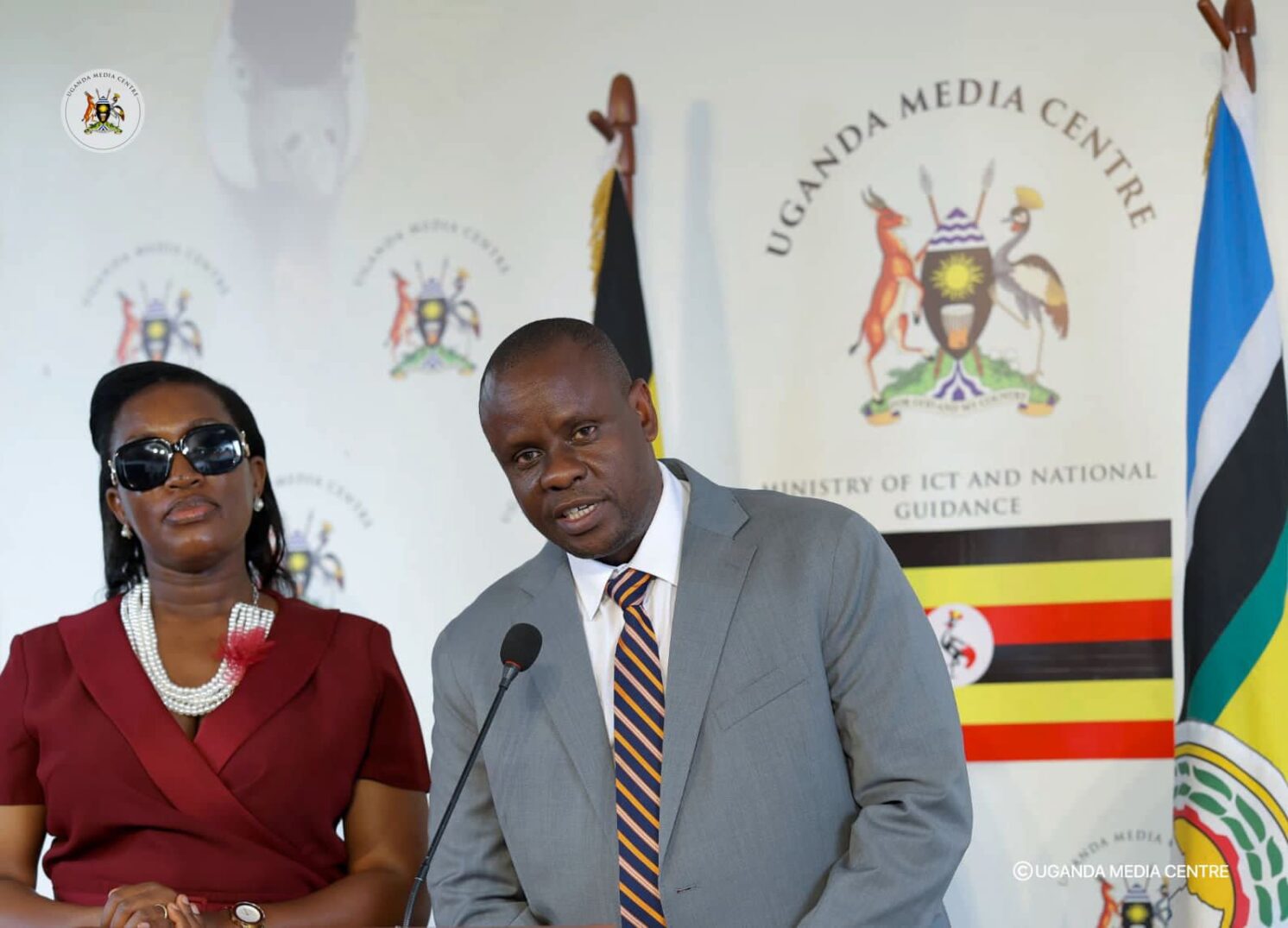
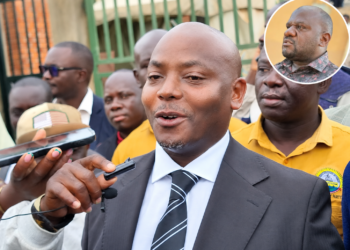
The announcement was made by the Minister of Local Government, Balaam Barugahara Ateenyi, after the current leaders’ term officially expired on June 28.

The extension was granted under Regulation 12 of the Local Governments Councils Regulations contained in the Second Schedule of the Local Government Act, Cap. 138, with the government saying the move is intended to prevent a leadership gap at the village and parish levels.
According to Barugahara, the decision follows the recent release of the Electoral Commission’s roadmap for the 2026 LC1, LC2 and other local council elections.
He said village and parish councils play a critical role in community administration, conflict resolution, local security and the implementation of government programmes, making it necessary to maintain continuity until elections are completed.
The minister explained that the extension will remain in effect until the Electoral Commission concludes the electoral process and newly elected leaders assume office.
This is not the first time the government has prolonged the tenure of LC1 and LC2 office bearers. Although their constitutional five-year term ended in 2023, elections have been postponed several times, prompting repeated extensions.
Previous delays have been attributed to inadequate funding, administrative preparations and disruptions caused by the COVID-19 pandemic, which affected the country’s electoral timetable.
The continued extensions have been aimed at ensuring uninterrupted service delivery and preserving local governance structures that handle community administration, security matters, dispute resolution and implementation of government programmes.
Barugahara also reminded incumbent LC leaders intending to contest for other political offices that the law requires them to resign from their executive committee positions before seeking election.
He said those stepping down must formally hand over all government property, office equipment and official documents to the relevant authorities to ensure accountability and a smooth transition.
The minister further directed that where vacancies arise following such resignations, the Electoral Commission should organise residual elections, especially at the village level, to fill the vacant positions.
As the country prepares for the polls, Barugahara urged Ugandans to elect leaders who demonstrate integrity, accountability and a commitment to community development.
He expressed concern over reports that some local leaders had abused the Parish Development Model (PDM) by allegedly directing programme funds to members of their own families.
The minister appealed to voters to reject candidates linked to corruption, abuse of office and land grabbing, saying communities deserve leaders who promote transparency and development.
The Electoral Commission of Uganda has scheduled LC1 elections for July 28, 2026, while LC2 elections will be conducted on August 10, 2026. Both polls will be held using the lining-up voting system provided for under Ugandan law.
Uganda last held nationwide LC1 elections on July 10, 2018, followed by LC2 elections on July 27 of the same year through an electoral college made up of newly elected LC1 executive committees.
The leaders elected in 2018 were expected to complete their five-year term in 2023. However, the government has repeatedly extended their stay in office after failing to organise fresh elections within the prescribed timeframe. By March 2026, Parliament had noted that the tenure of the incumbent LC1 and LC2 leaders had already been extended six times.






 English