













A group of prominent Ugandan activists, lawyers and former government officials has asked the Inspectorate of Government to probe serving diplomats over allegations that some may have acquired foreign citizenship while still representing Uganda abroad, raising concerns about loyalty and integrity in the Foreign Service.
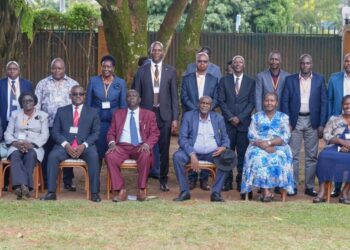
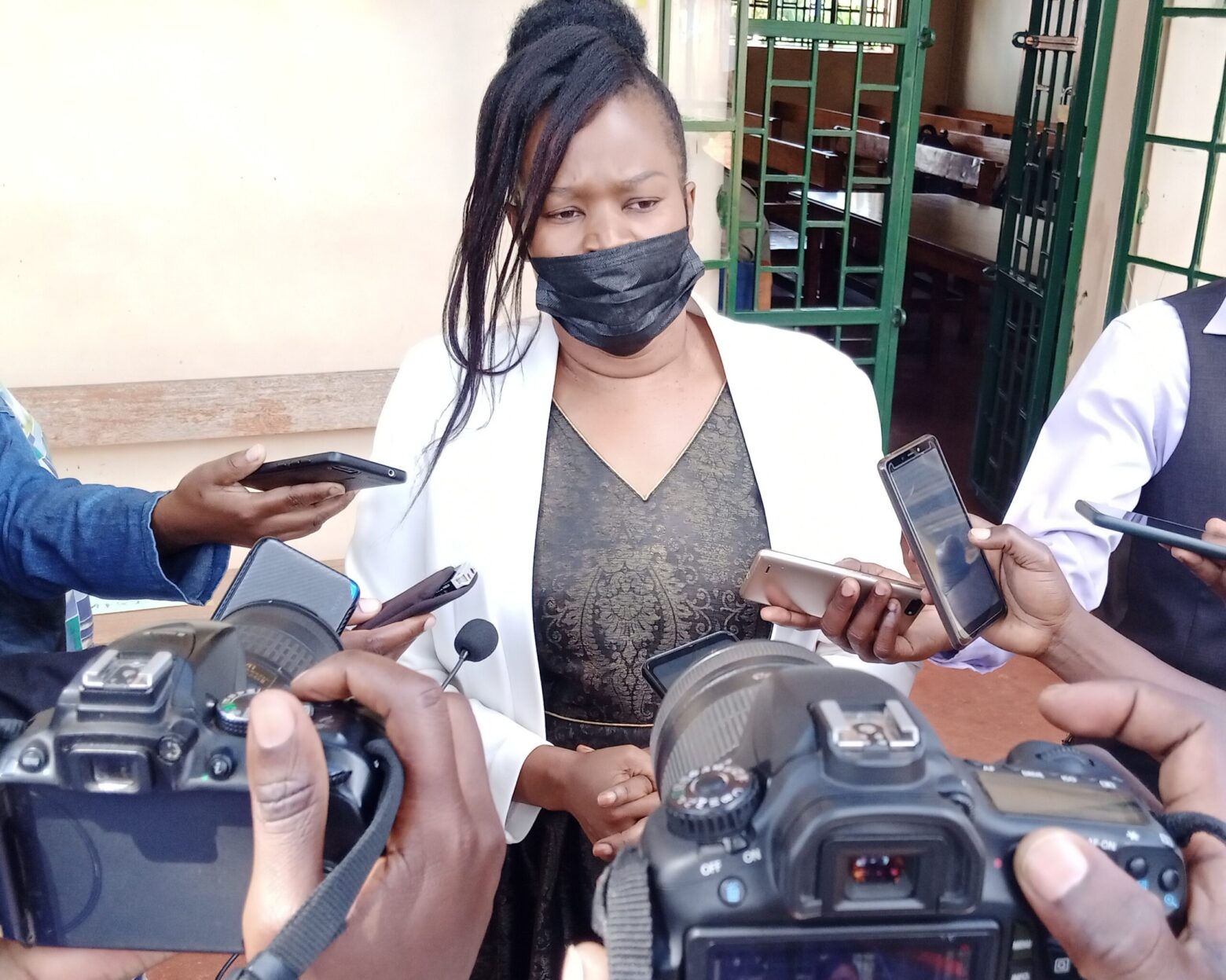
In a petition submitted on June 10, the group led by former Ethics and Integrity Minister Miria Matembe, together with lawyers Eron Kiiza and Job Kiija, and activists Kato Tumusiime and Tumusiime Kakuru, urged the Inspector General of Government to launch a comprehensive investigation into Uganda’s diplomatic corps.

The petitioners want the probe to focus on whether some Foreign Service Officers posted in countries including the United States, Canada and several European states obtained citizenship or permanent residency rights in their host countries while still in active government service.
They argue that such developments, if confirmed, could create conflicts of interest and undermine the principle of undivided allegiance required of diplomatic officers.
They contend that diplomats hold highly sensitive positions as Uganda’s official representatives abroad, tasked with negotiating agreements, safeguarding national interests and handling confidential state information. According to the group, any dual loyalty—real or perceived—could weaken trust in the conduct of foreign relations.
The debate has gained renewed attention following recent controversies around citizenship declarations during the vetting and swearing-in of new Cabinet members. During the process at State House Entebbe, Permanent Secretary and Secretary to the Treasury Lucy Nakyobe disclosed that some newly appointed ministers were unable to immediately assume office due to unresolved issues related to dual citizenship.
Although she did not name those affected, it later emerged that Foreign Affairs minister-designate Adonia Ayebare, Internal Affairs minister-designate Lawrence Muganga, International Affairs minister-designate David Calvin Echodu, and Shartsi Kutesa Musherure did not take their oaths during the swearing-in ceremony.
Reports circulating in public debate suggest that some of the affected officials may hold citizenship in countries such as the United States, Canada or Rwanda, though none of the individuals has publicly confirmed the claims.
The petitioners argue that while Ugandan law allows dual citizenship in general, stricter standards should apply to individuals occupying strategic national security and foreign relations roles.
They cite provisions in the Constitution, the Leadership Code, public service regulations and diplomatic practice to support their argument that disclosure and transparency are essential in such positions.
They further reference international diplomatic norms, including the principles underpinning diplomatic representation, arguing that acquiring citizenship in a host country typically involves an oath of allegiance that could conflict with duties owed to Uganda.
The group is also seeking clarification on whether any officers used diplomatic privileges or state resources to facilitate foreign residency or citizenship applications, and whether supervising authorities were aware of such developments but took no action.
Among the remedies requested are disciplinary or legal action where wrongdoing is established, alongside reforms to strengthen disclosure requirements for Foreign Service officers and tighten oversight of Uganda’s diplomatic appointments.








 English