


















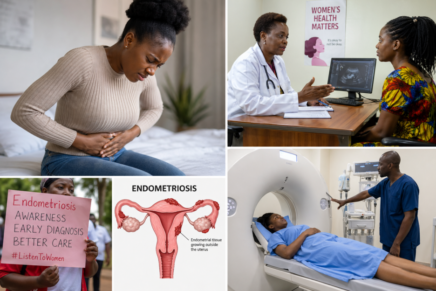
Like in other parts of the world, many women in Uganda also live with chronic pelvic pain, heavy periods, and unexplained fatigue, which can be a long and frustrating journey, often without clear answers.
Now, a new scan technique developed by researchers at the University of Oxford could change that, offering hope for earlier detection of endometriosis, a condition that remains widely underdiagnosed.


Endometriosis affects millions of women globally, including an estimated one in ten of reproductive age.
Yet in Uganda, awareness remains low, and diagnosis can take years, sometimes more than a decade, due to limited diagnostic tools and misinterpretation of symptoms.
In many Ugandan communities, severe menstrual pain is often normalised or dismissed as a routine part of womanhood.
As a result, women experiencing symptoms such as intense abdominal pain, heavy bleeding, or pain during urination and intercourse may not seek medical attention early or may not be taken seriously when they do.
Health experts say this delay can have lasting consequences, including infertility, mental health challenges, and disrupted education or careers.
“Many women move from clinic to clinic without a diagnosis,” says a Kampala-based gynaecologist. “By the time endometriosis is confirmed, the disease may already be advanced.”
Currently, the most reliable way to diagnose endometriosis is through a surgical procedure known as laparoscopy, which is not widely accessible in Uganda due to cost, limited specialists, and equipment shortages.
The new technique uses specialised CT scans combined with a molecular tracer to detect early signs of endometriosis before the disease progresses. In a pilot study, the method successfully identified most cases later confirmed through surgery.
Researchers say this approach could eventually reduce the need for invasive procedures and help patients get answers sooner.
For Ugandan women, such innovation could be transformative if it becomes accessible.
While the technology is still in early stages and not yet available locally, experts say Uganda can take immediate steps to improve outcomes for women. Public health campaigns can help women recognise that severe menstrual pain is not normal.
Schools, media, and community health programmes can play a key role. Training health workers can also improve early detection and referrals, as many frontline providers may not immediately suspect endometriosis.
Improving access to diagnostic services such as ultrasounds and MRI scans can support earlier identification, while investing in specialised gynaecological care, including laparoscopic surgery, would reduce delays in diagnosis and treatment.
Support systems such as counselling and patient groups can also help women cope with the physical, emotional, and financial burden of the condition.
For many Ugandan women, endometriosis is more than a medical condition. It is a life-altering experience that affects education, employment, relationships, and fertility.
The emerging research offers hope for a future where diagnosis does not take years of suffering. Until such technologies are widely available, progress will depend on awareness, stronger healthcare systems, and taking women’s pain seriously.












 English