


















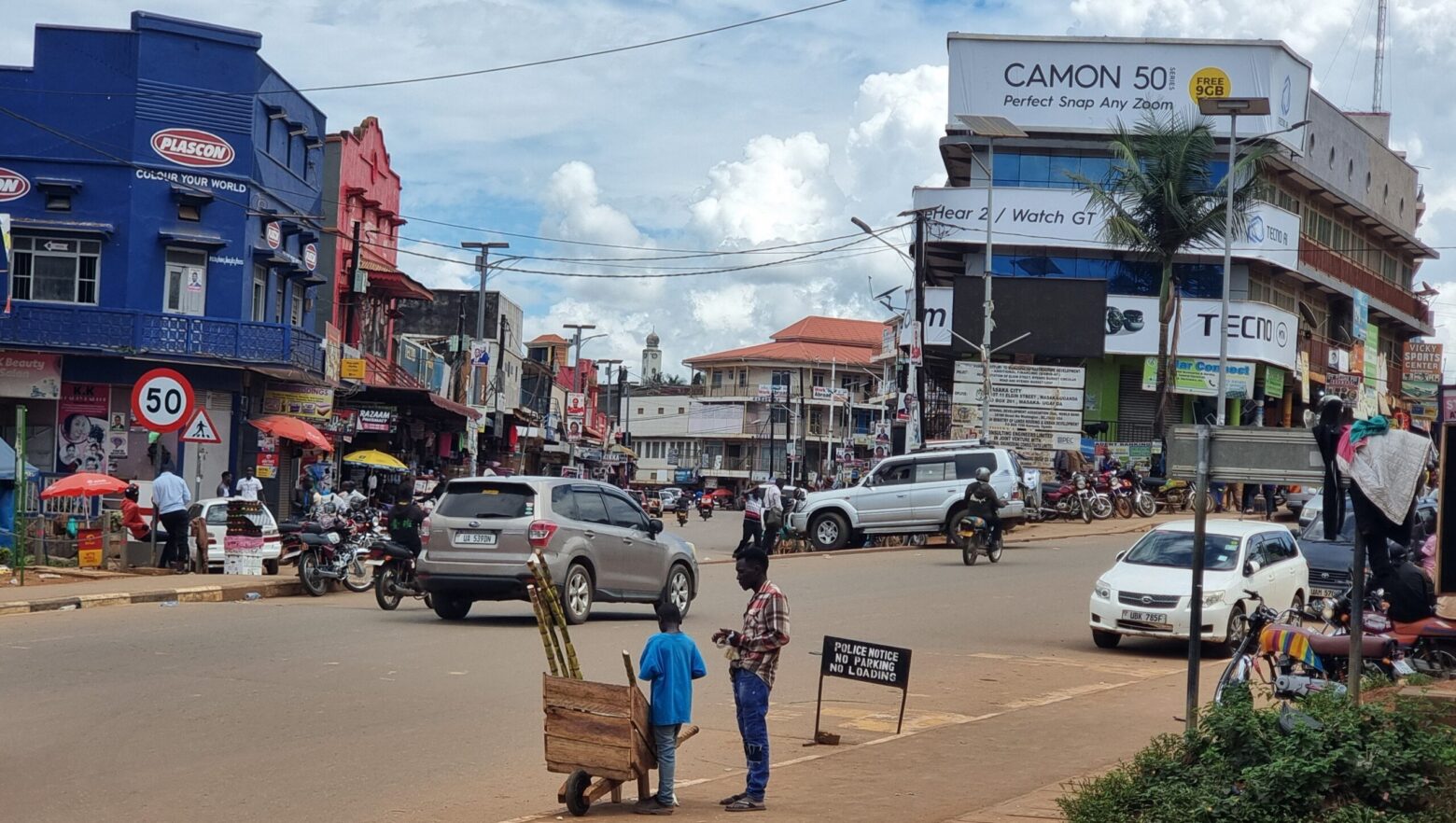
Authorities in Masaka City are raising concern over a worrying surge in child-related crime, a trend increasingly linked to parental neglect and rising numbers of children living on the streets.
Police in the area report a steady increase in cases involving juvenile offenders, many of whom claim to be orphans or victims of abandonment, forced into criminal activity as a means of survival.


According to John Kwesiga, the Nyendo Mukungwe Division Police Commander, children are now responsible for a significant share of crime in the city, with estimates suggesting they account for nearly 40 percent of reported robbery and theft incidents.
Kwesiga notes that the offences commonly committed include house break-ins, pickpocketing, and street robberies.
In some cases, the children have exhibited alarming levels of violence, attacking victims with stones and pavers, particularly during early morning and evening hours when residents are most vulnerable.
He adds that most of the suspects fall within the age bracket of 6 to 16 years, an age group expected to be under parental care or in school.
Preliminary police findings indicate that many of these children are initially drawn into urban areas by the promise of casual work at business premises. However, after disputes with employers or loss of such opportunities, they end up on the streets, where they gradually turn to crime.
In response, police are considering operations targeting individuals and businesses that employ children instead of supporting their education. Authorities believe that child labour is a major contributing factor to the growing crisis.
Child welfare advocates have echoed similar concerns. Ada Ojur, Centre Manager at Child Registration Outreach, a non-governmental organisation involved in rehabilitating street children, says many parents have abdicated their responsibilities, leaving children exposed to life on the streets.
Through their engagement with affected children, the organisation has also established that domestic violence is a key driver pushing many of them away from their homes.
Ojur has called on city leaders to enforce stricter measures against child labour and strengthen community-level interventions to protect vulnerable children.
Meanwhile, Wilson Kizza, the Senior Probation and Children Welfare Officer for Masaka City, says authorities are planning joint operations with police to round up street children.
He explains that the initiative will not only aim at rehabilitation but will also help trace and hold accountable parents or guardians who have neglected their responsibilities.
Leaders warn that unless urgent action is taken to address the root causes, the problem risks escalating further, posing a serious threat to both public safety and the future of the affected children.













 English