











Saturday, April 4, 2026
  • About
  • Advertise
  • Careers
  • Contact
Insight Post Uganda
  • Home
  • NewsHot
    • Health
    • Politics
    • Religion
    • Lifestyle
    • World News
    • Tourism
    • Environment
    • Agriculture
  • Business
    Mukono Town Clerk, Francis Byabagambi.

    Questions and Answers: Mukono Town Clerk Francis Byabagambi Explains Trade Order Enforcement Exercise

    A vendor transports his dismantled kiosk on a tuktuk after municipal authorities marked roadside stalls for removal ahead of the planned enforcement.

    Marked for Removal: Vendors Dismantle Their Own Livelihoods Ahead of Eviction

    Michael Ninyitegeka

    Uganda Sees Rise in Women Joining Tech Through Refactory Initiative

  • Sports
    SFC Crowned Champions of 17th CDF Cup in Masaka City

    SFC Crowned Champions of 17th CDF Cup in Masaka City

    Wazalendo SACCO officials, UPDF participants, organisers, and hosts pose for a group photo after the handover of sports kits in Masaka.

    Wazalendo SACCO Donates Sports Kits to 20 UPDF Teams in 2025 CDF Cup

    Members of the CDF Cup Organizing Committee addressing a press conference in Masaka.

    Masaka City to Host 17th CDF Cup Featuring 20 UPDF Teams

  • Education
    Ggaba Early Childhood Development Program

    Four Juveniles Killed in Ggaba School Attack, Suspect Arrested

    Minister for Education has officially released UACE results.

    UNEB Withholds Results of 351 Candidates Over Examination Malpractice

  • In Luganda
    Betty Nambooze, Mukono Municipality MP

    Kibuule Akubye Mu Nambooze Ebituli, Talina Kyakoledde BannaMukono Okujjako Okujoboja

    Omubaka Gwetwalonda Teyadda-Abekyampisi Betondedde Kibuule

    Omubaka Gwetwalonda Teyadda-Abekyampisi Betondedde Kibuule

    Counsel George Musisi ng'alaga emu ku kaadi mu lukungana lw'amawulire

    Munnamateeka Wa NUP Atambula Nju Ku Nju Ng’ Asaggula Obuwagizi  

  • In Photos
    Ronald Kibuule at Mukono recently.

    Kibuule Poised for Return as Museveni Signals Endorsement in Mukono North

    Katikiro presiding over the opening of the renovated official residence of the Buddu County Chief at Ssaza grounds in Masaka City on Tuesday. Pictures by Robert Nsubuga.

    Pictorial:  Katikiro Mayiga Slams Masaka People Over Poor Hygiene

    Ismael-Kifudde-the-Mukono-Police-Division-Officer-in-Charge-directing-Nambooze-not-to-use-the-route-heading-to-town-center

    Moments of Excessive Force Against Betty Nambooze in Recent General Elections

  • Profiles
    Brig. Gen. Kiyengo (center) posing for the photo with the members of Nakifuma Rotary Club who promised to attend his book launch.

    CUTTING THROUGH HELL: UPDF Medic Chronicles Uganda’s Silent War in Somalia Through Powerful Memoir

    L-R MP Mawogola South (Sembabule)-Goreth Namugga, Councillor Amiri Kiggundu, COTFONE Coordinator-Kayinga Yisito Muddu and Mr Xavier Ejoyi, Country Director ActionAid International Uganda at the award event

    National Citizens’ Integrity Awards 2024: Unsung Heroes Celebrated

    Shaping Perceptions: Patricia Namiwanda, a Blind Advocate Of Change

    Shaping Perceptions: Patricia Namiwanda, a Blind Advocate Of Change

  • Op-Ed
    • Editorial
    • Opinion
  • Login
No Result
View All Result
Insight Post Uganda
Home Opinion

The Great Deception: Iran War Exposes Global Alliances As Hollow Facade While Pan-Africa Watches And Learns

Insight Post Uganda by Insight Post Uganda
March 25, 2026
in Opinion
Reading Time: 5 mins read
A A
0
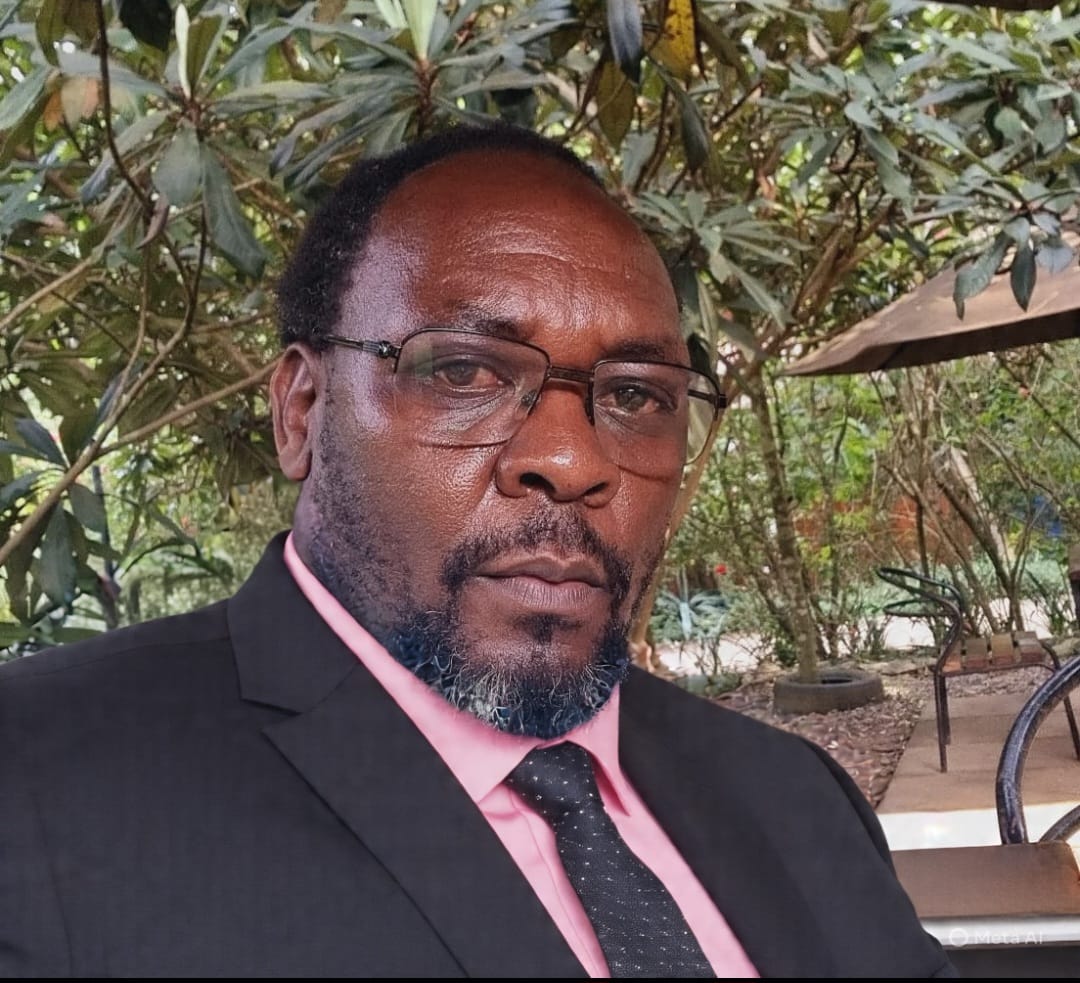
Twiine Mansio Charles

Twiine Mansio Charles

Power rarely operates as it is spoken about. Governments, alliances, and international blocs often present themselves as protectors of democracy, stability, and justice. In reality, when crises occur, these claims are tested and often found wanting.
The tensions surrounding Iran exposed the credibility of global alliances and showed their fragility, self-interest, and performative nature. NATO, the G7, and BRICS presented themselves as strong and united, yet under pressure, they revealed their true character: divided, hesitant, and focused primarily on their own interests.
For decades, these alliances projected an image of cohesion and authority. NATO was described as the protector of Western security, the G7 as the forum for coordinated economic and political influence, and BRICS as a multipolar alternative capable of challenging Western dominance.
Publicly, these blocs appeared confident, decisive, and coherent. Behind the scenes, however, each member pursued its own national interest. Unity was conditional, commitment was selective, and solidarity often existed more in words than in action.
NATO’s famed Article 5, the principle meant to guarantee that an attack on one member is treated as an attack on all, had long been celebrated as the foundation of collective Western security. The Iran crisis exposed the limits of this commitment.
When real pressure came, the alliance’s cohesion quickly fractured. The United States pursued an assertive, hardline approach, while European powers emphasized diplomacy and caution. Spain hesitated, and Turkey acted primarily to protect its own regional interests.
What was presented to the public, through meetings, joint statements, and press releases, suggested coordination and decisive action. In reality, these were mostly performances, masking deep disagreements and the self-serving calculations of individual members.
The NATO of rhetoric and the NATO of action proved to be two very different realities. The G7 showed a similar pattern. Members spoke of coordination, energy security, and maritime stability. In practice, their responses were shaped by domestic priorities, economic vulnerabilities, and political calculations.
The United States and the United Kingdom favored a more assertive stance, while Canada, Italy, and Japan urged caution and diplomatic engagement. Even strategic chokepoints such as the Strait of Hormuz, vital to global oil flows, were treated through the lens of national rather than collective interest.
The bloc appeared united in public but was fragmented in practice. Its words promised strength and coordination, while its actions revealed hesitation, compromise, and a patchwork of self-interest.
BRICS, often celebrated as a counterbalance to Western influence, also demonstrated its limitations under pressure. China prioritized economic stability and the protection of its global trade networks. India maintained careful neutrality to preserve its relationships with multiple blocs.
Brazil and South Africa issued statements of diplomacy without providing concrete support. Even Russia, often seen as a challenger to the West, carefully calibrated its engagement to avoid direct confrontation. Iran’s membership in BRICS did not guarantee practical assistance or protection.
The bloc’s solidarity was largely performative. When push came to shove, national interest prevailed over any collective principle.
This pattern was neither accidental nor surprising. Alliances are not permanent shelters or guarantees of protection. They are instruments designed to project power, credibility, and moral authority while advancing the interests of their members.
The Iran crisis stripped away the rhetoric, revealing the real nature of global power. Alliances bend, fracture, and recalculate when their members perceive risk or opportunity differently. What was presented as unity often masked negotiation, hesitation, and self-interest.
Africa should take careful note. For too long, the continent measured its security, legitimacy, and development through the lens of these alliances. This approach sometimes led to importing external conflicts under the guise of partnership.
True Pan-Africanism, as envisioned by Kwame Nkrumah and Julius Nyerere, is not about following global scripts or applauding alliances from the sidelines. It is about self-reliance, strategic vision, and the ability to see through empty rhetoric.
Africa must distinguish between cooperation and co-option, between opportunity and illusion, and between alliances that serve the continent and those that serve only external interests. Blindly seeking alignment with global powers is risky.
Alliances bend, break, and recalculate when interests diverge. They are not shelters. They are fragile, temporary structures that can collapse at any moment.
Africa must build its strength from within and make careful, deliberate choices about when and how to engage the world. Engagement should be principled, deliberate, and aligned with long-term strategic goals. This does not mean isolation.
Africa must still engage with the world, but engagement must be grounded in sovereignty, economic resilience, and strategic independence. Institutions such as the African Union should be strengthened to provide credible alternatives to dependence on external powers.
The continent should not stand as a passive observer applauding the performance of global blocs. It must lead itself and determine its own path. Pan-Africanism requires clarity and discipline. Alliances are arrangements, not guarantees.
Engagement with the world must not come at the cost of independence. Strength must be cultivated internally through economic development, infrastructure, regional integration, and security coordination.
The Iran crisis demonstrated that even the most powerful alliances can falter under pressure. Africa must define its interests clearly, pursue them consistently, and coordinate at the continental level to reduce reliance on external powers whose promises are conditional and whose unity is fragile.
Africa must learn from the deception of these hollow alliances and devise its own strategic partnerships that align with its security, sovereignty, and economic priorities.
Alliances should have a clear center of gravity, serve African objectives, and protect the continent’s resources. As President Museveni has warned, Africa must not allow itself to be hoodwinked by superficial displays of global solidarity.
By acting strategically, the continent shields its sovereignty, safeguards its wealth, and ensures that cooperation is real, meaningful, and durable.
NATO, the G7, and BRICS may claim power and cohesion, but history has shown they are fragile, self-serving, and ultimately unreliable. Africa must stop playing a supporting role in their theater of illusions. It must chart its own path, build alliances that serve its people, and ensure that its security, economy, and sovereignty are never negotiable.
The lesson is clear. Africa’s future depends on clarity, independence, and alliances that are designed with African interests at their center, not on the shifting whims of the powerful outside world.
Twiine Mansio Charles
CEO and Founder of The ThirdEye Consults (U) Ltd

Related posts

Twiine Mansio Charles

Hormuz Blockade Exposes Africa’s Energy Vulnerability — The Time To Leap To Renewables Is Now

April 3, 2026
Twiine Mansio Charles

Lie Your Way In? Madagascar’s 60% Test For Cabinet Jobs

March 28, 2026
Tags: Twiine Mansio Charles
ShareTweetPin
Previous Post

Here are The 10 Forgotten Men and Women Tipped to Return to Cabinet

Next Post

BABIRYE MILLY BABALANDA: The Standard Gauge Railway Launch is a Game Changer in Uganda’s Economic Transformation Journey

Related Posts

Twiine Mansio Charles
Opinion

Hormuz Blockade Exposes Africa’s Energy Vulnerability — The Time To Leap To Renewables Is Now

April 3, 2026
Authorities carry out an early morning demolition of roadside kiosks in Kikooza, Mukono Municipality, as part of an enforcement operation to clear illegal structures from road reserves.
Opinion

When Order Comes at a Cost: The Hidden Price of Clearing Uganda’s Streets

April 2, 2026
Uganda’s Plan to Downsize Foreign Missions: A Strategic Retreat or Cost-Cutting Measure?
Opinion

When Aptitude Tests Become Gatekeepers of Opportunity

April 2, 2026
Courtesy photo.
Opinion

New Forensic Law Targets Case Backlog, Strengthens Evidence Handling

April 2, 2026
Hakim Kyeswa
Opinion

OPINION: The Day We Bulldozed the Money Economy

April 1, 2026
Twiine Mansio Charles
Opinion

Lie Your Way In? Madagascar’s 60% Test For Cabinet Jobs

March 28, 2026
Next Post
Babirye Milly Babalanda

BABIRYE MILLY BABALANDA: The Standard Gauge Railway Launch is a Game Changer in Uganda’s Economic Transformation Journey

RECOMMENDED NEWS

Ugandan UN Judge Accused Of Exploiting Young Woman As Slave In UK

Uganda Extends Transfer of Convicted Offenders Act to the UK

12 months ago
Tayebwa, Nabbanja Nominated for NRM Primaries Ahead of 2026 Elections

Tayebwa, Nabbanja Nominated for NRM Primaries Ahead of 2026 Elections

10 months ago
UNEB in Funding Crisis After Taking Hit in 2024 Appropriation Bill Reconsideration

UNEB in Funding Crisis After Taking Hit in 2024 Appropriation Bill Reconsideration

2 years ago
A girl panning gold using mercury at Kassanda

Solidaridad Launches Campaign to Tackle Child Labor and Safety Issues in Uganda’s Artisanal Mining Sector

11 months ago

FOLLOW US

Insight Post Uganda

We bring you the most balanced news professionally investigated by our news team. The Insight Post is Uganda’s News company regulated by the Uganda Communications Commission.

Follow us on social media:

Recent News

  • NECDA Calls for Nationwide Audit of Childcare Centres After Ggaba Incident
  • Hormuz Blockade Exposes Africa’s Energy Vulnerability — The Time To Leap To Renewables Is Now
  • Uganda Receives First Group of U.S.-Transferred Asylum Seekers Amid Legal Challenge

Category

  • Agriculture
  • Business
  • Editorial
  • Education
  • Environment
  • Health
  • Lifestyle
  • Luganda
  • News
  • Opinion
  • Photos
  • Politics
  • Profiles
  • Religion
  • Runyankole
  • Security
  • Sports
  • Tourism
  • Uncategorized
  • World News

Recent News

NECDA Calls for Nationwide Audit of Childcare Centres After Ggaba Incident

NECDA Calls for Nationwide Audit of Childcare Centres After Ggaba Incident

April 3, 2026
Twiine Mansio Charles

Hormuz Blockade Exposes Africa’s Energy Vulnerability — The Time To Leap To Renewables Is Now

April 3, 2026
  • About
  • Advertise
  • Careers
  • Contact

© 2024 The Insight post Uganda - The Insight post uganda. Site Powered by Bookablehood Ltd.

Welcome Back!

Login to your account below

Forgotten Password?

Retrieve your password

Please enter your username or email address to reset your password.

Log In
error: Content is protected !!
en_USEnglish
en_USEnglish
No Result
View All Result
  • Home
  • Politics
  • Business
  • Sports
  • Lifestyle
  • Tourism
  • Opinion

© 2024 The Insight post Uganda - The Insight post uganda. Site Powered by Bookablehood Ltd.