








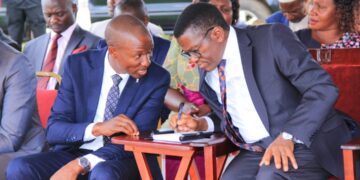





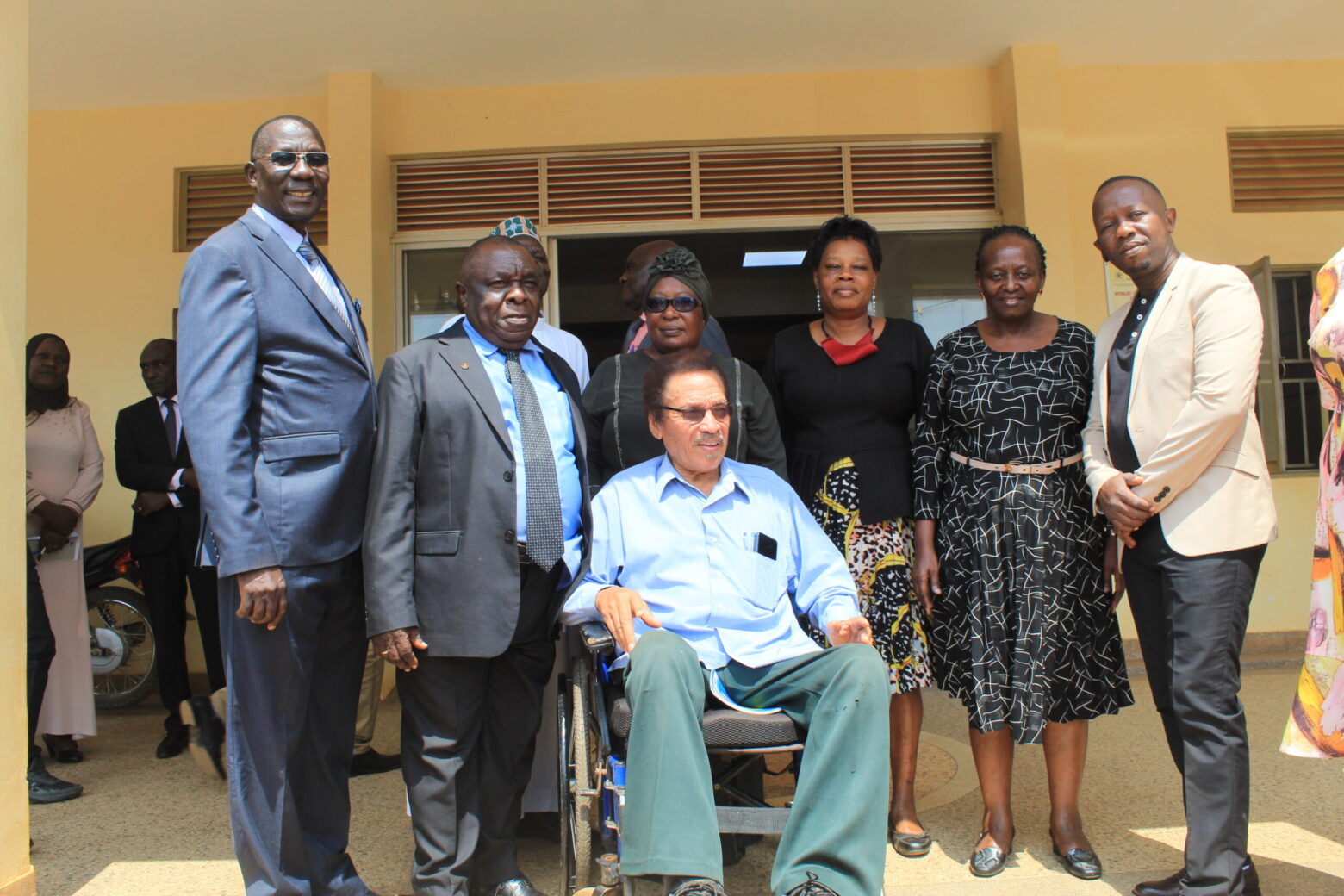
The State House Anti-Corruption Unit has arrested key figures in the District Service Commissions (DSC) of Mukono and Jinja over serious allegations of soliciting bribes from job seekers in exchange for public service appointments.
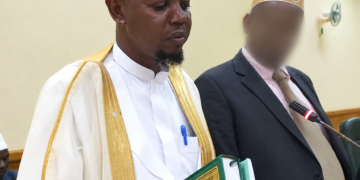
Those arrested include Eng. Robert Kisuule Kibuuka, the Chairperson of the Mukono District Service Commission, and Betty Hope Nakasi, the Mukono District Speaker, who is accused of acting as an intermediary in the bribery scheme.


The two are currently detained at Mukono Central Police Station.
The Unit’s Communications Manager, Mariam Natasha, confirmed the arrests and revealed that similar investigations are underway in Jinja District.
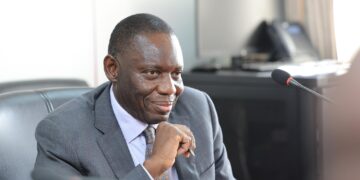
There, the DSC Chairperson, George Kalulu, has also been apprehended in connection with the job-for-bribe racket.
“These arrests mark a firm step in addressing systemic corruption within public service recruitment processes,” Natasha stated, adding that more suspects are under investigation. “Those who have not cooperated but are implicated will also be pursued.”
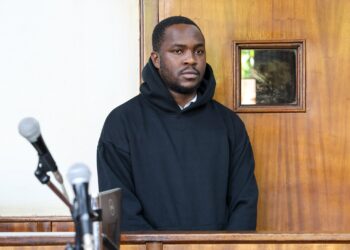
She confirmed that the suspects will be arraigned in court upon the conclusion of investigations.
The developments come on the heels of a bold move by Mukono LC5 Chairperson, Rev. Peter Bakaluba Mukasa, who indefinitely suspended the district’s DSC on Wednesday during a public address at a thanksgiving service held at Mukono Municipal Council.
“I have received complaints from different people, and I call upon others who were conned—those who paid UGX 30, 40 million and above—to come forward,” Rev. Bakaluba declared, citing multiple reports from whistleblowers alleging that bribes were demanded from desperate job applicants in return for promised appointments.
According to him, the commission was involved in a deeply entrenched bribery network, with alleged fees ranging from UGX 30 to 40 million per job slot.
While his announcement was applauded by some residents as a rare move to confront corruption, it has also sparked speculation and criticism.
Observers suspect the ban may be politically motivated or a smokescreen to divert attention from possible investigations into Rev. Bakaluba himself.
“It’s unclear whether this is genuine action or a calculated maneuver to deflect scrutiny,” one district official remarked, drawing parallels to a similar scandal that unfolded in Mpigi District, which ultimately led to the collapse of its service commission and implicated its LC5 chairperson.
Allegations from Mukono suggest that the corruption network extended beyond the commission to politicians.
Some politicians are believed to have acted as go-betweens, linking job seekers to commission members in exchange for payment.
In cases where job offers failed to materialize, there are reports that bribe money—sometimes amounting to tens of millions of shillings—was refunded under pressure, signaling the depth of desperation and dysfunction in the recruitment process.
Mukono’s service commission has historically struggled with dysfunction. For years, the district lacked a fully operational DSC, resulting in delays in recruitment, promotions, and disciplinary actions within the public service.
The commission had only recently been reconstituted in hopes of restoring order and efficiency.










 English