










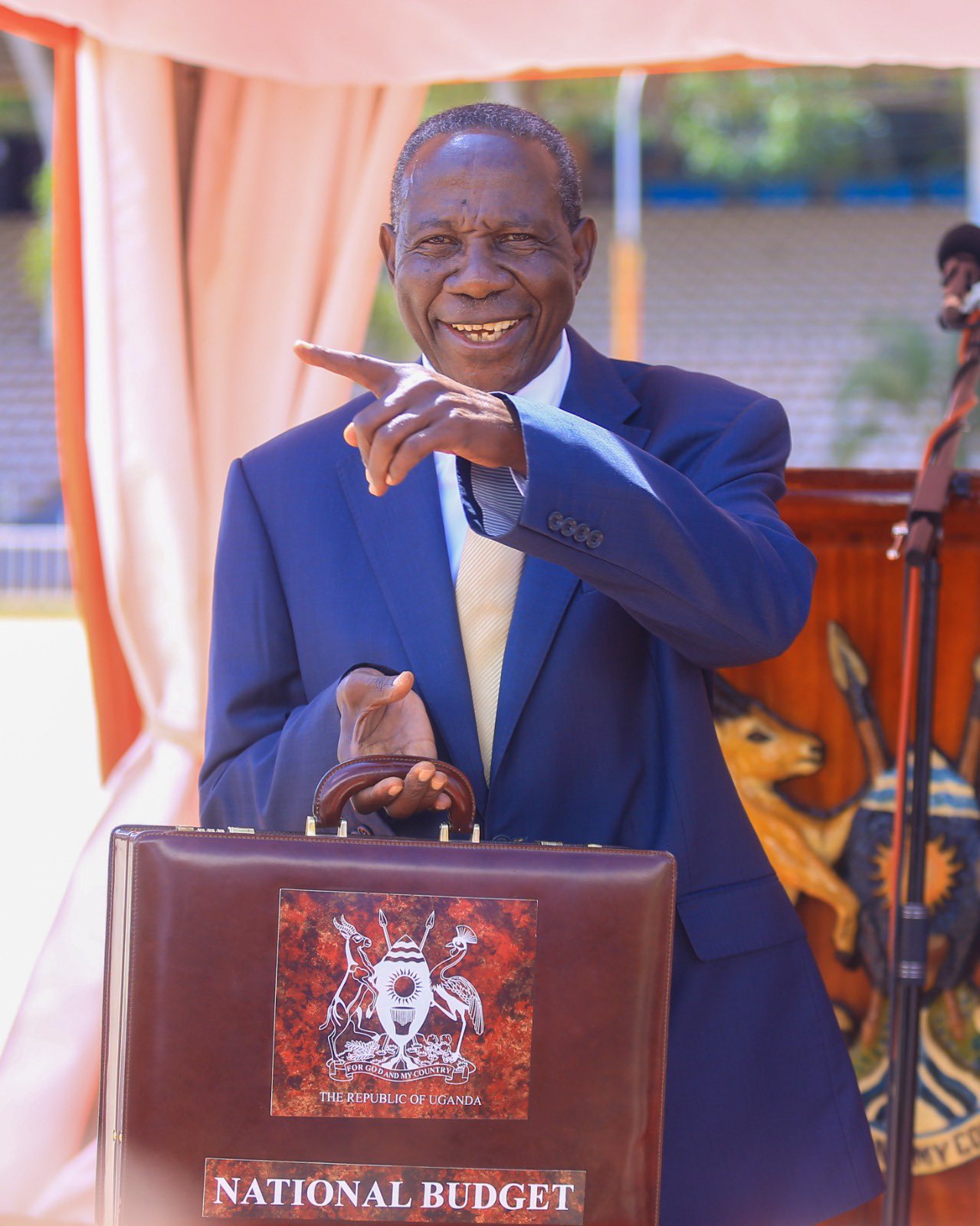
The government has reduced its allocation to the education and sports sector in the 2025/26 financial year, sparking concerns among stakeholders about the country’s commitment to human capital development.
Finance Minister Matia Kasaija revealed that the government plans to spend 5.04 trillion shillings on education, accounting for only 6.97% of the projected 72.376 trillion shillings national budget.
This represents a cut of over 810 billion shillings compared to the 5.85 trillion shillings allocated in the 2024/25 financial year, which made up 8% of the total budget.
“Madam Speaker, next financial year, I have allocated 5.04 trillion shillings for priority interventions,” Kasaija announced during the budget reading, highlighting key achievements from the previous year.
In 2024/25, the education budget had increased by 5.2% to 5.85 trillion shillings from 5.56 trillion in 2023/24.
These funds supported more than 9.5 million learners under Universal Primary Education (UPE) and nearly 1 million under Universal Secondary Education (USE), as well as preparations for international events such as CHAN and AFCON 2027.
However, the reduced allocation comes amid mounting challenges in the sector, including understaffing at all levels, high pupil-to-teacher ratios, and inadequate teacher accommodation.
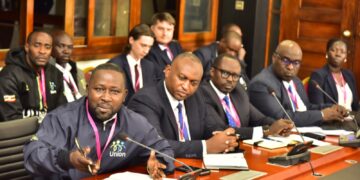
Salary disparities also persist, with arts and humanities teachers recently striking to demand pay parity with their science counterparts, seeking salary increases to 4 million shillings.
Parliamentary documents reveal the education sector faces a funding gap of nearly 1.2 trillion shillings to cover operational and staffing needs.
Critics and education experts warn that this decline in funding threatens the country’s long-term development.
Education policy analyst Gonzaga Kaswarra criticized the budget priorities, pointing out that rising debt servicing costs are crowding out spending on critical sectors like education.
“If you look at the past three budgets, it’s clear that more money is going to repay loans, many borrowed for non-performing sectors,” Kaswarra told URN. “What remains for education is too little, and it remains a low priority.”
Kaswarra stressed that every dollar invested in education yields up to thirteen dollars in return—the highest among all sectors—and cautioned that underinvestment could negatively impact national security, health, and gender equality.
He also condemned the neglect of Early Childhood Development (ECD), which remains largely privatized and absent from the budget speech.
Professor Anthony Mugagga, Principal of Makerere University’s College of Education and External Studies, echoed these concerns, saying the budget reduction contradicts growing demands.
“It’s disappointing. The number of school-going children is increasing, and so is the demand for resources. Yet the budget is shrinking,” Mugagga said. “At this rate, government objectives like promoting science education will not be met due to insufficient funds.”
Another education expert, speaking anonymously, attributed the budget cuts partly to dwindling donor support, noting that the temporary suspension of loans by the World Bank had impacted the sector.
Reports over the years have recommended that countries like Uganda allocate at least 20% of their national budgets to education, but Uganda remains far below this threshold.
The 24th Uganda Economic Update, released in February, highlighted a disconnect between the country’s development ambitions and its budget priorities, noting that Uganda’s public spending on education was 2.7% of GDP in 2021—well below the recommended 4% minimum and regional peers at 4.2%.
Despite the cuts, Minister Kasaija confirmed that the government will continue providing free education under UPE, USE, and Universal Post-O’ Level Education and Training.
The budget will also support student sponsorships and loans, rehabilitation of 120 traditional secondary schools and 31 special needs primary schools, construction of 116 new seed secondary schools, and expansion of 61 others.
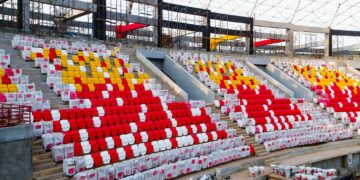
Further plans include recruiting more teachers and staff, implementing a nationwide electronic inspection system to monitor attendance, improving the textbook-to-student ratio from 1:15 to 1:3, operationalising Bunyonyo and Busoga universities, and completing stadiums and training facilities ahead of CHAN and AFCON 2027.








 English