






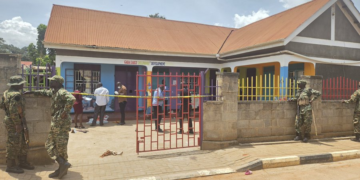











A fierce dispute has erupted over a 1.6-acre piece of land in Luzira, Nakawa Division, where a group of reformed ex-prisoners is battling against powerful interests over what they say is their rightful home and livelihood.
The land, originally allocated by the Uganda Prisons Service for the rehabilitation and employment of former inmates, is now the center of a controversial lease awarded to a private company under questionable circumstances.


Emmaus Foundation Investments Limited, a company whose directors include Sheila Ebaka Akandwanaho, wife to Gen Salim Saleh, is at the center of the storm. Other directors are Isaac Atukunda, a lawyer, and Martin Barigye, a businessman.
Documents show the company was granted a 99-year lease on the land in 2010, despite never developing or occupying it.
Meanwhile, members of the United Reformed Prisoners Association (UREPA), who are in possession and using the land since the late 1990s, say they are being forcibly displaced after building workshops and homes on the land for over two decades.
The land in question was allocated in 1997 during the tenure of then Commissioner General Joseph Etima.
It was designated for a rehabilitation and vocational skills training project for ex-prisoners.
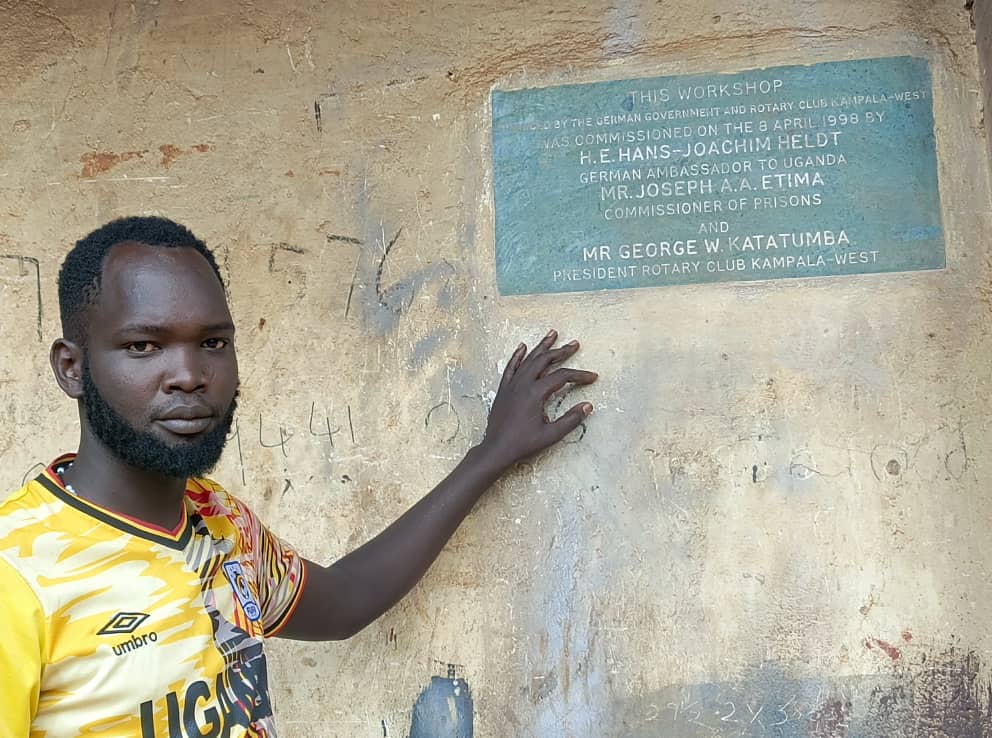
The initiative was supported by the Rotary Club of Kampala West and led to the establishment of carpentry and metal fabrication workshops operated by reformed prisoners and their families.
For many, this land symbolized a second chance and the hope of rebuilding their lives.
In 2010, however, Emmaus Foundation Investments Limited acquired a lease under circumstances now being challenged by both government officials, UREPA and Karago Engineering and construction Limited.
State Minister for Lands, Persis Namuganza, in a letter dated December 18, 2019, questioned how the lease was granted despite the company’s failure to take possession or initiate development.
The minister cited a standing presidential directive that required land leased for development to revert to government if left undeveloped for five years.
The Uganda Land Commission (ULC), acting on the minister’s directive, canceled the lease.
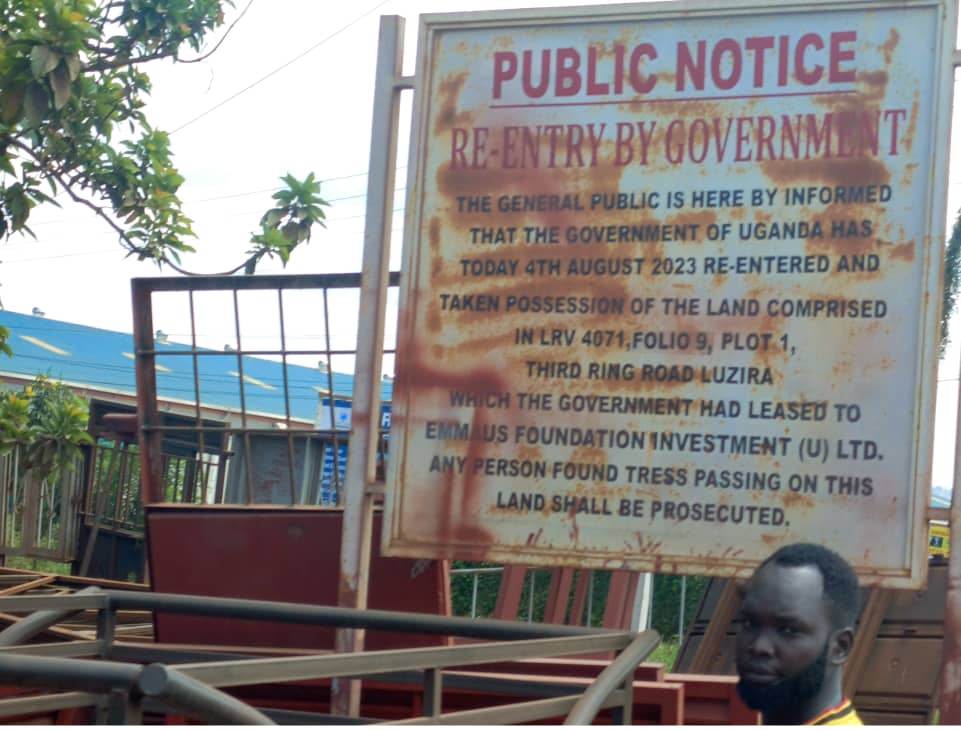
A public signpost was later erected on the land declaring that the government had re-entered the land as of August 2023 and would prosecute trespassers.
Following this action, the ULC granted a new lease to Karago Engineering and Construction Limited, which had secured a no-objection letter from the Uganda Prisons Service.
A letter from Uganda Prisons dated April 2022 revealed deep concerns about how the original lease was issued to Emmaus Foundation Investments Limited without the necessary clearance from the Prisons Service.
The letter, signed by prisons official Emiku Samuel Baker, accused the company of acquiring the title without following legal procedures.
It also warned that the title was being used to solicit funds fraudulently from unsuspecting parties.
Adding to the controversy, documents suggest that Emmaus Foundation Limited, the predecessor of the investment arm, had only been contracted to build a workshop on the site.
It remains unclear how this limited construction role evolved into a claim of full ownership.
The transfer of the said land from the original foundation to the investment company also reportedly occurred without the knowledge or approval of the Prisons Service.
Tensions on the ground have escalated dramatically. Members of UREPA allege that directors of Emmaus Foundation Investments Limited, supported by armed men in civilian clothes, raided their workshops at night, destroyed property, and attempted to evict them without a court order.
Ronald Ongom, one of the residents and workshop employees, described the incident as a violent and unlawful attack aimed at driving them off the land they have called home for decades.
“We were attacked in the night by armed men. They stole our phones and property. No eviction order was ever served,” Ongom said.
In response to these accusations, Martin Barigye, one of the directors of Emmaus Foundation Investments Limited, insisted that the land belongs to his company.
He claimed to have secured a court order preventing the Uganda Land Commission from repossessing it.
“As the owner of the land, I have the right to do whatever I want to do on this land. I went to court and I have a court order stopping ULC from entering onto this land,” Barigye said.
However, the directors of Karago Engineering and officials continue to question how a lease could have been granted to individuals who never occupied the land or developed it.
Geoffrey Baguma of Karago Engineering expressed disbelief that UREPA’s 2007 lease application was ignored while Emmaus Foundation Investments Limited was awarded a 99-year lease without fulfilling even the basic requirements.
“We sat waiting for a response in vain. Meanwhile, someone else who was not even on the land gets 99 years? How?” Baguma asked.
The Luzira land saga exposes troubling questions about land governance, transparency, and the apparent disregard for vulnerable communities.
What began as a rehabilitation initiative for marginalized ex-convicts now stands as a glaring example of how public land can be diverted under suspicious circumstances.
If the government is serious about protecting public interest and supporting rehabilitation, then the voices of the ex-prisoners must be heard and respected.
Their years of labour, investment, and community-building on that land deserve recognition, not forceful removal.
The broader public is currently watching closely to see whether the rule of law and justice will prevail, or whether this will be yet another case of the powerful displacing the powerless.







 English