


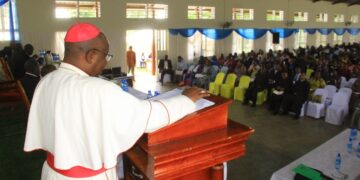








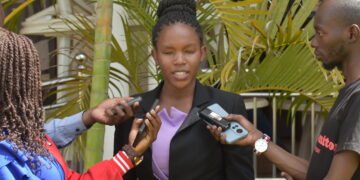


Media practitioners have been urged to prioritise their safety, ethical standards, and professionalism as the country prepares for the 2026 general election.
The call was made during a media training workshop organised by the Electoral Commission (EC).


Patricia Aol, the EC’s Head of Administration and Human Resources, described the media as one of the commission’s most important stakeholders in the electoral process.
“Our mandate as the Electoral Commission is not only to organise and conduct elections but also to engage stakeholders and promote democratic governance,” Aol said. “You, the media, are essential partners. You relay our activities to the public and influence citizen participation.”
Aol emphasised that for democracy to flourish, the public must receive accurate and timely information about electoral activities. She warned that misinformation or distorted reporting could fuel mistrust and potentially trigger unrest.
“That is why we have invited you here, to help you understand our work so you can report accurately, especially as we begin the process of electing special interest groups,” she noted.
While the workshop clarified the Electoral Commission’s role and the electoral roadmap, it also highlighted the risks journalists face, particularly during election periods.
Samuel Gummah, Executive Director of Uganda Radio Network, urged reporters to uphold ethical standards and accuracy while prioritising their personal safety.
“There is no story worth your life,” Gummah warned. “Dead men do not tell stories. If you die chasing a scoop, you become the headline. The newsroom moves on.”
He cautioned journalists against giving in to pressure from editors or media houses that might send them into unsafe situations without proper support or protection.
“No editor or station has the right to put you in harm’s way. If a story presents an immediate threat to your life or health, walk away. Your life must come first.”
Gummah advised reporters to assess risks realistically and avoid reckless bravery in pursuit of news.
“If you find yourself in a life-threatening situation, your responsibility is to survive, not to be heroic,” he said. “Do not let anyone convince you that journalism is a do or die profession. It is not.”
Electoral Commission spokesperson Julius Mucunguzi also warned against sensationalism and misleading headlines that can inflame public tension.
“We often see one isolated incident of violence reported as if the entire country is on fire,” he said. He urged journalists to provide balanced and contextual coverage rather than exaggerating for attention.
Speakers at the workshop stressed the importance of preparing for election coverage with a clear understanding of both legal guidelines and safety measures.
Journalists were also encouraged to take an active interest in the ongoing electoral process, particularly in the representation of special interest groups.


 English