
















The Ministry of Works and Transport has begun consultations to draft regulations that will operationalise Uganda’s long-awaited Inland Water Transport Act, raising hopes of safer travel on the country’s lakes and rivers.
The new rules are expected to cover vessel licensing, safety equipment, standards for boat construction, and enforcement measures aimed at curbing the frequent but often under-reported marine accidents.


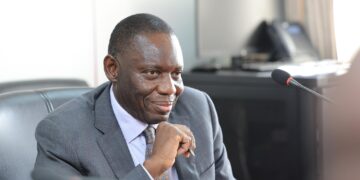
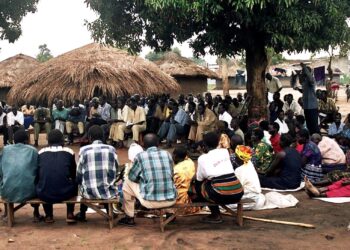
“We are gathering issues the regulations must address,” said Brian Musinguzi, a surveying engineer at the ministry, during a community engagement at Katosi Landing Site on Lake Victoria.
“Currently, we issue two licences: a one-off registration licence after a boat is constructed, starting at Shs200,000, and an operator’s licence for transporting people and cargo, charged according to a vessel’s weight.”
He added that feedback from landing sites such as Katosi and Butiaba will be consolidated into a draft regulation for government approval. “To enforce the law well, marine police must also understand it,” Musinguzi noted.
Civil society organisations working alongside government welcomed the consultations.
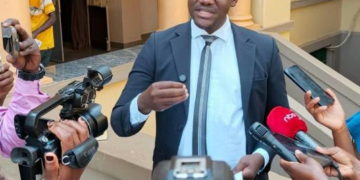
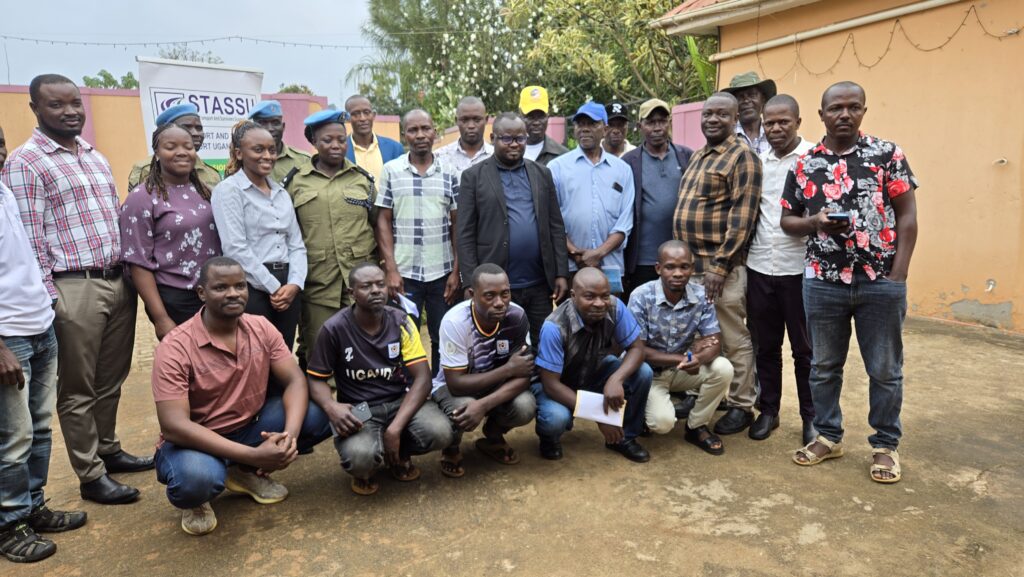
“The regulation will clarify who is allowed to operate, what safety equipment is mandatory, and how enforcement should work,” said Fredrick Kiapi, project manager at Safe Transport and Survivors Support Uganda (STASSU).
“We are consulting fishers, boat owners, builders, and passengers so that the final regulation reflects realities on the water.”
According to Kiapi, the draft is expected to harmonise fees, set minimum safety standards—including approved life jackets and life rings—provide for vessel registration and inspection, and introduce operator training.
Marine police will also receive clearer mandates to investigate and report accidents, many of which currently go unrecorded.
Operators Cry Out Over Taxes and Costs
Boat operators say the burden of multiple and overlapping taxes threatens their livelihoods.
“We pay the operator licence, then local taxes at the sub-county, and charges at docking points. It adds up,” said Samuel Ssekaku, secretary for boat operators at Katosi.
Local operator Miliko Muyijje, also known as Kojja Miliko, broke down his expenses: “I pay Shs450,000 to the Works ministry, Shs250,000 to Fisheries, Shs30,000 per month at Katosi Sub-County, and another Shs30,000 at Kkoome. Tender holders at docking points also charge us. The more sub-counties you pass through, the more charges you face.”
Operators also cited the high cost of safety gear. “Most of us can only afford cheap life jackets at about Shs40,000, which cannot keep someone afloat for more than ten minutes,” said Muyijje.
“Quality engines are too expensive, and many boats cannot afford to carry two engines as backup. When one fails, passengers are stranded on the lake.”
Boat owner Jesca Namubiru added: “Marine police enforce compliance strictly, but life jackets, engines, and nets are unaffordable. Lowering taxes would make safety possible for everyone.”
Builders Struggle With Costs
Boat builders face their own challenges. Edirisa Wamala, a boat maker at Katosi, said timber scarcity and import costs have pushed construction prices beyond reach.
“Timber from Congo arrives with Shs220,000 already paid per piece, and central timber is even scarcer. A standard boat requires materials worth about Shs4.5 million. With labour and local taxes, we must quote around Shs8 million, which most clients cannot afford.”
Community Proposals
During consultations, community members and transport associations proposed measures for inclusion in the regulation, including:
Tax relief on essential items like engines and life jackets.
Streamlined local charges to reduce duplication.
A safety upgrade fund or credit facility for operators.
Stabilised timber supply for builders.
Phased compliance to help small operators adjust.
Community-led safety initiatives, such as mandatory safety briefings, visible passenger limits, and hotlines for reporting incidents.
Musinguzi confirmed that all stakeholder views will be consolidated into a draft for internal review before government approval.
Civil society actors like STASSU believe the new regulation will finally bring order and safety to Uganda’s water transport sector.
But for operators like Namubiru, affordability remains key: “We want to comply, but we need rules and prices we can live with.”







 English