















On the morning of Martyrs’ Day at the Uganda Martyrs Shrine in Namugongo, as thousands of pilgrims gathered in solemn prayer, an unexpected wave of excitement rippled through the crowd.
Moments before Mass began, a flurry of shouts broke the quiet reverence: some among the faithful claimed to have seen miraculous apparitions in the sky.


“I have seen Mama Maria!” one woman cried, her voice quivering with awe and emotion.
Around her, others joined in, lifting their hands to the heavens, tears streaming down their faces as they fell into fervent prayer.
According to some witnesses, the Virgin Mary had appeared in the clouds; others claimed the sun was shining in radiant, multicolored hues—a heavenly sign, they said, of divine presence.
But not all were convinced. Some strained their eyes, searching the sky in vain.
Murmurs of disbelief traveled through the crowd. “I see nothing,” one pilgrim said flatly, as others looked around in confusion.

The congregation began to stir—some ululating in joy, others rising to their feet to get a better view, while many remained seated, skeptical or bewildered.
This was not the first such report during this year’s pilgrimage. In the days leading up to the Martyrs’ Day celebrations, similar claims had emerged from various groups of pilgrims: visions of radiant crosses, floating lights, and Marian figures had been whispered from camp to camp.
Whether inspired by devotion, suggestion, or something more mysterious, these stories fueled both spiritual fervor and controversy.
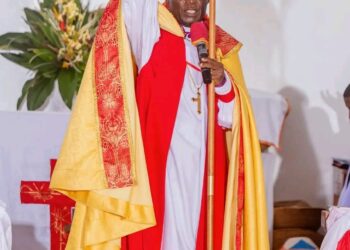
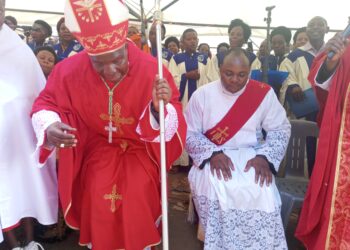
Amid the growing clamor, the clergy stood composed. Dressed in vivid red chasubles, the priests and bishops behind the altar remained focused on the liturgy, proceeding with the Mass undisturbed.
Their quiet dignity seemed to anchor the crowd, even as pockets of emotional prayer continued throughout the shrine grounds.
Such apparitions are not unheard of in Uganda. In 2024, pilgrims reported similar sightings in Nalyamagonja-Manyangwa in Gayaza and in Hoima District, events that stirred both devotion and debate.
These alleged visions echo well-known episodes in Catholic history—most famously the 1917 apparitions in Fátima, Portugal, where three shepherd children claimed to have encountered the Virgin Mary, an event later deemed “worthy of belief” by the Vatican.
In Africa, one of the most recognized Marian apparitions occurred in Kibeho, Rwanda, during the 1980s, where three young girls reported messages from Mary, urging prayer and repentance.
One of the visions was said to foretell the 1994 genocide. The Church later approved these apparitions as authentic, though with a caution: while such phenomena can deepen faith, belief in them is not required by Church doctrine.

To ensure discernment in such matters, the Vatican recently issued new guidelines in May 2024, titled Norms for Proceeding in the Discernment of Alleged Supernatural Phenomena.
Under these rules, local bishops must conduct a careful investigation—considering theological, psychological, and moral dimensions—before any declaration is made. Final recognition of a supernatural event can only come from the Pope.
At Namugongo, as the Mass continued and the sun rose higher in the sky, Church leaders kept their focus on the solemn purpose of the day: honoring the memory of the Uganda Martyrs and encouraging the faithful in their journey of devotion and sacrifice.
Whether miracle or mass imagination, the morning’s mysterious sightings remained unresolved—a reminder of the powerful, and sometimes puzzling, role faith plays in the hearts of believers.








 English