









Many Ugandans living with sickle cell disease continue to endure daily struggles marked by delayed diagnosis, limited access to essential medicines, and the high cost of life-saving tests.
For countless families, the health system still feels distant and unforgiving, leaving children vulnerable to preventable complications and early death.


Yet across several districts, a growing network of support led by the Sarafina Sickle Cell Society (SASCELLS) is steadily reshaping that reality.
Through repeated field visits, community screenings, medical donations, and sustained follow-up care, the organization has maintained a consistent presence in communities where sickle cell warriors often fall through the cracks.
One of SASCELLS’s most impactful interventions in 2025 has been newborn and early childhood sickle cell screening.
With support from its U.S.-based partner Sickle Forward, the organization conducted screenings for newborns and children aged zero to five in Mukono, Buvuma, Buikwe, Hoima, and Ntoroko districts.
For many families, early detection has made the difference between timely care and late presentation with life-threatening complications.
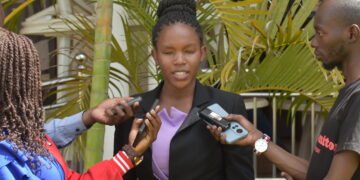
Sarafina Bukirwa, the Executive Director of SASCELLS, says the organization’s approach has been deliberate and sustained, returning to the same districts multiple times rather than offering one-off support.
“As we wrap up 2025, we are still on the ground,” Bukirwa said. “These have not been single visits. We have conducted many outreaches across different districts to share love, hope, care, and awareness with sickle cell warriors, their caregivers, and teenage mothers.”
Uganda carries one of the heaviest sickle cell burdens globally. Of the estimated 160,000 births recorded each year, about 25,000 children are born with sickle cell disease.
Alarmingly, nearly 90 percent die before their fifth birthday, largely due to late diagnosis and inadequate access to care. Ranked fifth worldwide in sickle cell prevalence, the country’s statistics underscore the urgency of sustained intervention.

Beyond screening, SASCELLS has intensified blood donation outreaches and redistributed sickle cell kits and essential medical supplies.
These include Gazelle machines, sickle scan kits, and key medicines such as hydroxyurea, folic acid, benzyl penicillin, and malaria prophylaxis.
The support will continue through December to ensure health facilities remain stocked during the festive season and into early 2026.
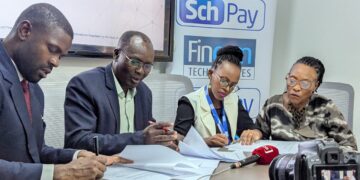
Another major milestone in 2025 has been the acquisition of three modern chemistry analyzers, purchased through Sickle Forward at a total cost of approximately Shs 84 million.
Each machine, valued at about Shs 28 million, uses biometric discs to run multiple diagnostic panels, including liver and renal function tests, lipid profiles, and adrenal function assessments.
“These machines are critical for children who need to be enrolled into care, especially those on hydroxyurea,” Bukirwa explained.

“Parents often cannot afford these tests, yet they are required every three months before medication refills. With free cartridges and machines on site, treatment delays will significantly reduce.”
The analyzers—destined for Mukono, Hoima, and Ntoroko—are accompanied by 300 cartridges, each capable of running three diagnostic panels.
At a market cost of about Shs 70,000 per cartridge, the donation represents substantial financial relief for affected families.
At Nakifuma Health Centre III, Senior Clinical Officer Gilbert Mugenyi says early screening is already improving outcomes.
Previously, many children arrived at the facility in advanced stages of the disease, some having suffered strokes.
“Now we are able to detect them in time because we have screening kits supplied by the society,” Mugenyi said. The facility currently follows up nearly 100 sickle cell patients, but services remain limited.
“We mainly provide folic acid and malaria treatment. We don’t have a CBC machine or a chemistry analyzer, and hydroxyurea is not available here,” he added.

As a result, many patients are referred to larger facilities in Mukono, Kayunga, or Nagalama, referrals that often come with transport and laboratory costs families cannot afford.
At Mukono General Hospital, the burden is even heavier. Dr. Wyclif Kisinga, head of the hospital’s Sickle Cell Clinic, says the facility manages more than 900 sickle cell warriors.
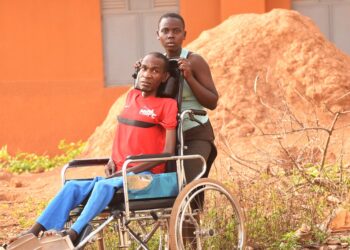
“Some patients suffer complications such as avascular necrosis, which affects the bones and leaves them unable to walk,” he said. “They need orthopedic support, including crutches, wheelchairs, and long-term care.”
For caregivers like Lydia Mutesi, a single mother raising a child with sickle cell disease, SASCELLS’s support has been life-changing.
She says the organization helped lobby for affordable medicines and provided her child with a wheelchair. “It saved me from carrying him everywhere,” she said.
Local governments are also taking note. In Buvuma District, Chief Administrative Officer Isa Mbooge says SASCELLS’s infant screening and community sensitization efforts have increased awareness and diagnosis—an essential step toward care rather than silent suffering.

As SASCELLS prepares to expand its outreach to at least five more districts in 2026, Bukirwa is calling on the government to strengthen national sickle cell programs.
“Our partners, especially Sickle Forward, have been a milestone in this work,” she said. “But the burden is too high for NGOs alone. We need sustained government support so that every sickle cell warrior can access testing, medication, and dignified care.”
For families across Mukono, Hoima, Ntoroko, and beyond, the interventions of 2025 have already brought renewed hope—clear evidence that with the right tools, partnerships, and commitment, sickle cell disease does not have to remain a silent killer.



 English