
















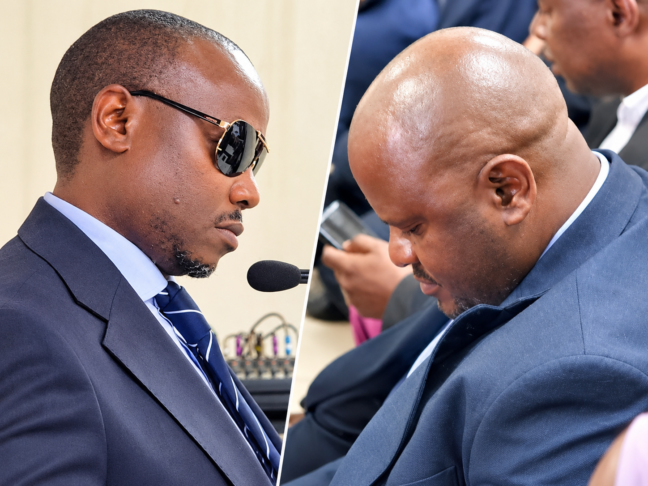
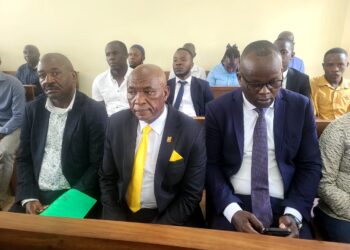
Abdallah Kiwanuka, the embattled Mukono County North MP, could face further legal complications arising from statements he allegedly made against his election rival, Ronald Kibuule, during the recently concluded parliamentary campaigns, after video recordings containing accusations of murder and theft were presented before court.
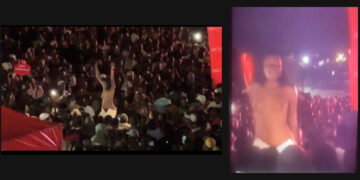
The recordings, which Kibuule wants admitted as evidence in his election petition challenging Kiwanuka’s victory, capture the legislator repeatedly referring to his predecessor as a thief and accusing him of being behind the deaths of Kanata Muhammad and Yuda Ssempijja.


In some of the recordings, allegedly made during campaign rallies in Ddundu, Wanjeyo and Namawojjolo, Kiwanuka is heard accusing Kibuule of involvement in the deaths and kidnappings of their supporters and demanding that he eventually answers for the alleged crimes.
“Our brothers were killed, kidnapped our brothers. I have spent four years demanding for them. And one day he will have to face court and answer for his crimes,” Kiwanuka is seen saying in one of the recordings.
The statements could potentially expose Kiwanuka to serious legal challenge over defamation, particularly if the allegations are found to have been made without sufficient factual basis.
Although political campaigns provide candidates with an opportunity to scrutinise their opponents, accusations linking individuals to murder and other serious crimes carry legal consequences when they cross the boundaries of fair political criticism.
The issue emerged during proceedings in the election petition when Kibuule’s legal team, led by Frank Kandiho, applied to have the video recordings and their accompanying translations admitted as evidence.
However, Kiwanuka’s lead lawyer, Chrysostom Katumba, objected to the application, questioning the authenticity, duplication and handling of the electronic evidence.
Katumba argued that the three flash disks presented before court contained similar material, while one of them had not been properly sealed and commissioned by a Commissioner for Oaths as required.
He further relied on the Electronic Transactions Act, arguing that a person seeking to introduce electronic records in judicial proceedings bears the responsibility of establishing their authenticity and integrity.
According to Katumba, the party seeking to rely on electronic evidence must demonstrate that the computer system or device used to generate or store the information was operating properly at the relevant time. Where the system was not functioning properly, the applicant must establish that the malfunction did not affect the integrity of the electronic record.
He also questioned the credibility of the evidence, noting that the witness presenting the recordings had not personally captured them but obtained them from third parties. He argued that the handling and transfer of the recordings had not been adequately demonstrated to have been undertaken by competent persons.
In response, Kandiho maintained that the circumstances under which the recordings were captured, transferred and preserved had been sufficiently explained in affidavits filed before court.
He told the court that the individual who recorded the video at Wanjeyo had sworn an affidavit explaining that the recording device was subsequently lost, although the footage had already been shared with the petitioner.
Kandiho also argued that Kiwanuka’s lawyers had already cross-examined some of the individuals who personally recorded the videos, including Murushid Tibusweke, who captured footage at Wanjeyo.
He further referred to the recording presented by Arafat Matovu, which relates to the Namawojjolo rally, saying the witness demonstrated that he was physically present at the event and explained in his affidavit what transpired.
Another witness, Mwesigye Rajabu, who recorded the Ddundu rally, reportedly confirmed Kiwanuka’s presence at the event and described the statements made during the meeting, which are also captured in the video.
“Custody is well captured in affidavits. Katumba has not demonstrated any element of the videos that is not authentic. The burden of demonstrating such shifts to the respondent to demonstrate that the videos are not authentic,” Kandiho argued.
He asked Justice Godfrey Himbaza to dismiss the objection and allow the recordings and their translations to be admitted as evidence.
The application now presents a potentially significant legal dilemma for Kiwanuka. If the court admits the recordings, they could become part of the evidentiary record against him in the election dispute, particularly in determining whether he made the statements attributed to him during the campaigns.
The recordings could provide Kibuule with material to consider in pursuing further legal remedies if he believes his reputation was unlawfully damaged by the campaign statements.
Justice Himbaza adjourned the proceedings to Tuesday, with a ruling on the admissibility of the recordings scheduled to be delivered electronically on Monday morning.







 English
