
















CASABLANCA, Morocco — Minister for the Presidency Milly Babirye Babalanda has called for increased investment, technology transfer and strategic partnerships between Uganda and African industrial players to accelerate industrialisation and value addition.
Babalanda made the call on Wednesday while addressing delegates at the Industrial Transformation Africa (ITAF) 2026 forum in Casablanca, Morocco.


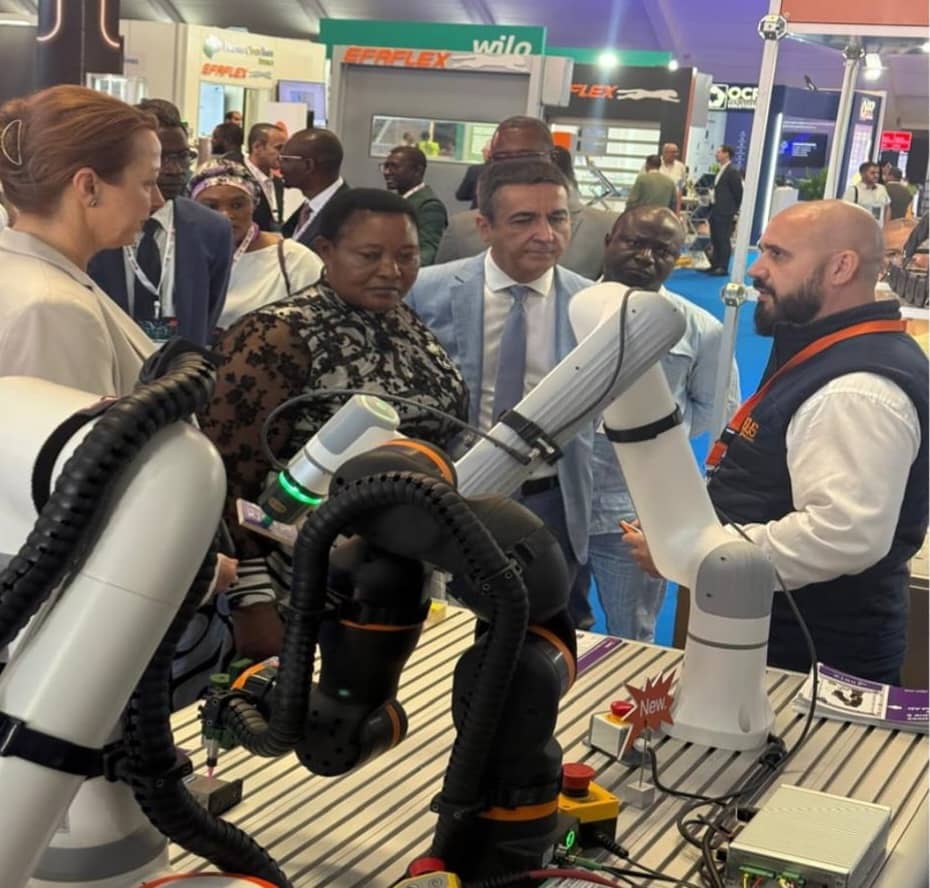
The continental forum brings together technology providers, industrial companies, investors, buyers and policymakers from North and Sub-Saharan Africa to explore practical solutions for modernising the continent’s production capacity.
In her address, Babalanda conveyed greetings from President Yoweri Kaguta Museveni and the First Lady and Minister of Education and Sports, Janet Kataaha Museveni, to the organisers, participants and other stakeholders attending the forum.
She said Uganda is ready to work with investors and technology partners capable of helping the country transform its abundant agricultural and mineral resources into higher-value products, expand local manufacturing and create jobs.
Babalanda said Uganda must move beyond exporting largely unprocessed raw materials and instead strengthen domestic processing, manufacturing and production of finished and semi-finished goods.
“Value addition remains central to Uganda’s transformation. Processing agricultural and mineral resources locally and producing finished and semi-finished goods generates greater economic returns than exporting raw materials,” Babalanda said.
She identified agro-processing and agricultural value chains, coffee, pharmaceuticals, building materials, mineral beneficiation, oil and gas-related industries, machinery and equipment, renewable energy, energy-efficient technologies, ICT and digital services among the areas with investment potential.
The Minister said sustainable industrialisation requires more than capital, arguing that investment should also bring technology, skills, innovation and knowledge transfer.
She urged technology providers and industrial companies to establish productive capacity in Uganda while developing long-term partnerships that equip local workers and businesses with the skills required to operate, maintain and benefit from modern production systems.
Babalanda also called for greater adoption of industrial digitalisation, automation and mechanisation to improve productivity, efficiency and competitiveness.
She particularly emphasised agricultural mechanisation, saying Uganda must reduce reliance on predominantly traditional farming methods in order to increase production, strengthen agro-processing and provide reliable raw materials for manufacturing.
She said investment opportunities also exist in food processing, agricultural technology, irrigation, storage, packaging, mineral beneficiation, energy, pharmaceuticals and digital services.
Babalanda said ITAF provides Uganda with an opportunity to engage investors, technology providers and other African partners on practical areas of cooperation, including technology transfer, industrial development and access to regional and continental markets.
She also highlighted Uganda’s young and growing population as an economic asset if supported with appropriate skills, productive employment and industries capable of creating sustainable jobs.
The Minister urged investors to consider Uganda’s growing domestic market, strategic location in East Africa, agricultural and mineral resources, expanding industrial base and opportunities for value addition.
She reaffirmed the government’s commitment to building a productive and competitive economy through industrial transformation, with emphasis on attracting investment, technology, skills and manufacturing capacity.
Babalanda invited investors, technology providers and industrial partners to explore opportunities in Uganda and participate in the country’s efforts to expand local production, create employment, strengthen value chains and increase its participation in regional and continental markets.











 English