


















The Government has warned that international human trafficking networks are changing tactics, with online scam syndicates previously concentrated in Southeast Asia now expanding operations into Uganda and recruiting both Ugandans and foreigners into forced cybercrime activities.
The warning comes ahead of the World Day Against Trafficking in Persons marked on July 30, as authorities raise concern over the growing trend of trafficking for forced criminality, where victims are deceived with fake employment opportunities before being compelled to participate in online scams.


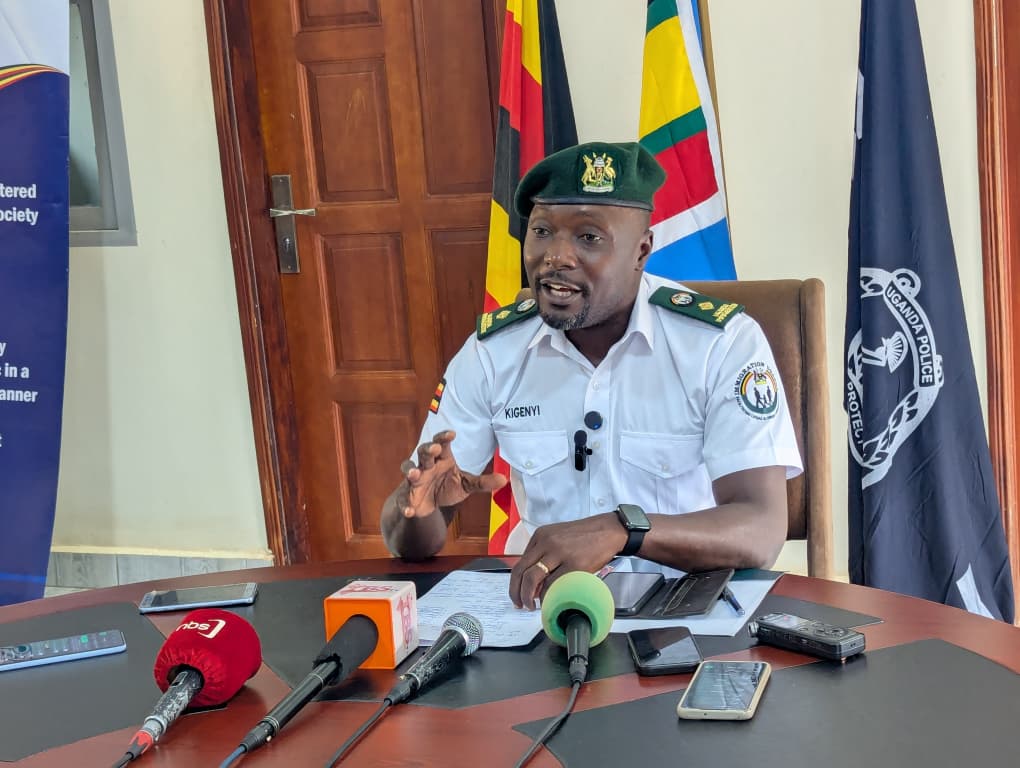
Derek Basalirwa Kigenyi, the Deputy National Coordinator for Prevention of Trafficking in Persons at the Ministry of Internal Affairs, said traffickers are increasingly moving away from traditional forms of exploitation and adopting sophisticated methods involving technology.
“Previously, we talked about trafficking in persons to countries such as Myanmar and Cambodia. But the trend has changed. The scammers have now brought their operations into Uganda,” Kigenyi said.
He explained that criminal groups are now establishing bases in Uganda by renting residential houses and office spaces where they operate online fraud schemes targeting victims across the world.
According to Kigenyi, the syndicates recruit unsuspecting people through social media platforms including WhatsApp, TikTok and Facebook, advertising fake jobs with promises of attractive salaries and better working conditions.
After recruitment, victims are allegedly subjected to control, including confiscation of their passports and identification documents, before being forced to carry out online scams.
“Once they take your passport, that should be a red flag. If you still have an opportunity, report to the nearest police station before it is too late,” he warned.
Kigenyi urged members of the public to exercise caution when responding to online job offers, especially those involving unrealistic salaries, foreign employment opportunities or demands to surrender personal documents.
He also called on financial institutions, mobile money operators, telecommunications companies and regulators to strengthen surveillance of suspicious transactions linked to trafficking networks.
The official said traffickers are increasingly using digital financial channels, including cryptocurrencies, mobile money platforms and encrypted communication applications such as Telegram, to coordinate activities and move proceeds from criminal operations.
He warned that the spread of forced cybercrime networks presents a wider national security threat because victims trained in online fraud could later use those skills to target financial institutions, businesses and individuals.
“This is not only a trafficking issue but also a security concern. These networks are creating individuals with advanced cybercrime skills who can continue committing offences even after escaping exploitation,” Kigenyi said.
He called for increased cooperation among law enforcement agencies, the Financial Intelligence Authority, the Criminal Investigations Directorate (CID), Bank of Uganda and telecommunications companies to identify and dismantle trafficking-linked cybercrime networks.
The Ministry of Internal Affairs is set to launch the 2025 National Counter-Trafficking in Persons Report during activities to mark the World Day Against Trafficking in Persons.
The report shows that 1,002 human trafficking cases were reported to police in 2025. Meanwhile, records from the Office of the Director of Public Prosecutions (ODPP) indicate that Uganda has handled 5,126 trafficking cases involving 8,494 victims, with 1,019 suspects convicted.
Kigenyi said although the country has registered progress in prosecuting traffickers, criminal networks continue to evolve, requiring greater public awareness and coordinated action.
“Fighting organised crime requires organisation. It requires teamwork, and it requires all of us to come on board,” he said.











 English