




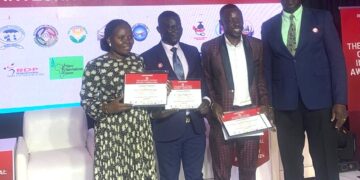

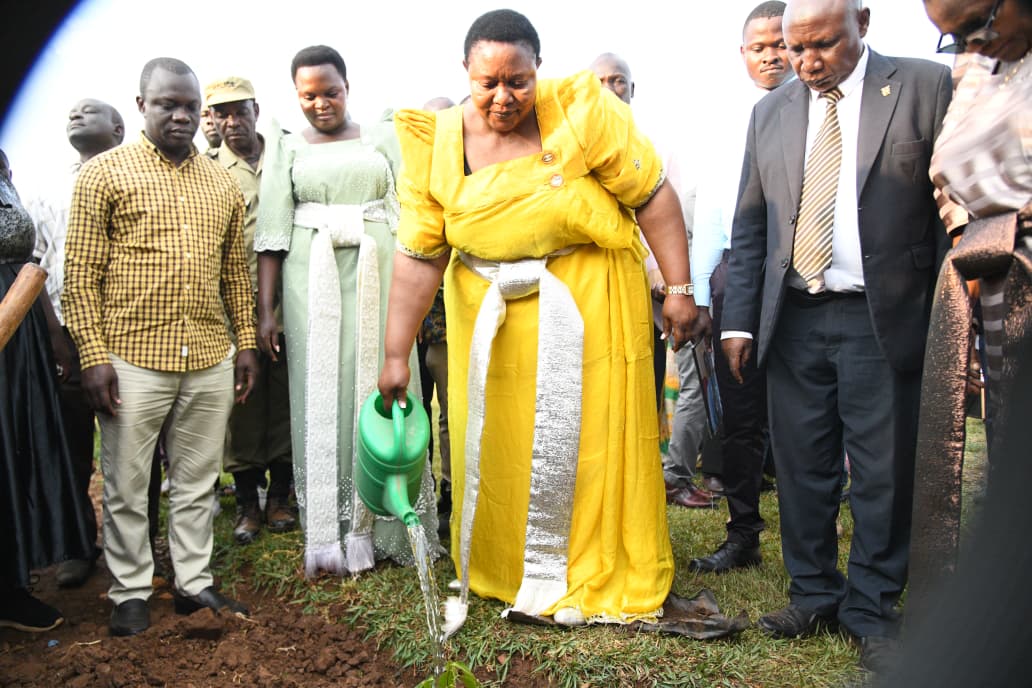
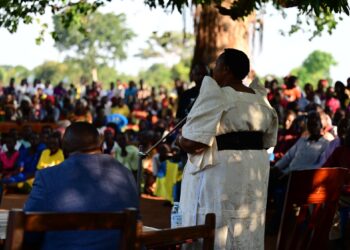
The Minister for the Presidency, Milly Babirye Babalanda, has called for collective action to tackle adolescent pregnancy, gender-based violence (GBV), poverty and corruption in the Busoga sub-region, saying these challenges continue to undermine the rights and opportunities of women and girls.
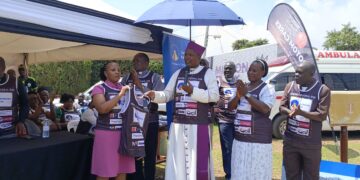
Babalanda made the remarks while officiating at the Jinja District Local Government Women’s Day celebrations held at Namagera Town Council headquarters.
The event was held under the theme, “Scaling up Investment to Accelerate Access to Justice for all Women and Girls in Uganda,” in line with the global campaign, “Rights, Justice, Action for all Women and Girls.”
Addressing leaders, residents and women’s groups, the minister applauded President Yoweri Kaguta Museveni for what she described as his commitment to advancing women’s empowerment and gender equality since the National Resistance Movement (NRM) came to power.
She said women, who were previously confined to largely domestic roles with limited participation in public affairs, now occupy key leadership positions across government.
“Through the President’s vision of fundamental change, women have risen to occupy the highest levels of leadership and decision-making in our country,” Babalanda said.
Quoting figures from the Inter-Parliamentary Union and UN Women, she noted that Uganda ranks sixth globally in female representation in the Executive, with women holding nearly 49 percent of Cabinet positions.
She added that women make up about 35.3 percent of Members of Parliament, placing Uganda among the leading African countries in women’s parliamentary representation.
Babalanda said the statistics demonstrate the government’s commitment to promoting inclusive governance and gender equality.
She added that beyond political representation, government has implemented several programmes aimed at improving women’s economic empowerment, including the Parish Development Model (PDM), Emyooga and the Generating Growth Opportunities and Productivity for Women Enterprises (GROW) Project.
According to the minister, the initiatives, together with affirmative action in education, healthcare and youth empowerment, have enabled millions of women to actively participate in the country’s socio-economic transformation.
Despite these achievements, Babalanda expressed concern over the persistent challenges facing women and girls in Busoga, particularly the high rates of adolescent pregnancy.
She noted that the sub-region records one of the highest adolescent pregnancy rates in Uganda, estimated at between 28.4 and 34 percent, compared to the national average of 24 percent. She also pointed to urban poverty levels of about 12 percent, saying poverty continues to fuel exploitation, school dropout and gender-based violence.
“Poverty continues to expose many girls and women to exploitation, gender-based violence, school dropout and denial of their fundamental rights,” she said.
The minister stressed that protecting women and girls requires collective responsibility rather than government action alone.
“It is a responsibility that rests upon all of us—leaders, parents, religious institutions, cultural leaders, civil society and every citizen of Busoga. We must complement President Museveni’s deliberate efforts by protecting our girls, keeping them in school, supporting women’s economic empowerment and promoting justice and dignity for every woman,” she said.
Babalanda also urged Ugandans to support the President’s anti-corruption campaign dubbed “Kisanja No Sleep, No Corruption,” warning that corruption diverts resources needed to improve the welfare of women and girls.
“Every shilling lost through corruption is a missed opportunity to educate or treat a girl, empower a woman, or improve their access to justice,” she said.
She said the government has already established the necessary policies and programmes to support women and girls but emphasized that successful implementation depends on the commitment of all stakeholders.
Babalanda called on every woman to believe in her potential, every man to champion women’s rights, and every leader to serve with integrity.
“Together, we can build a society where every woman and every girl lives free from discrimination, violence and poverty, and is empowered to realise her full potential,” she said.
She also commended the leadership of Jinja District for organising the Women’s Day celebrations and pledged continued collaboration with local leaders to accelerate development and improve the welfare of communities across the Busoga sub-region.
ENDS.






 English