
















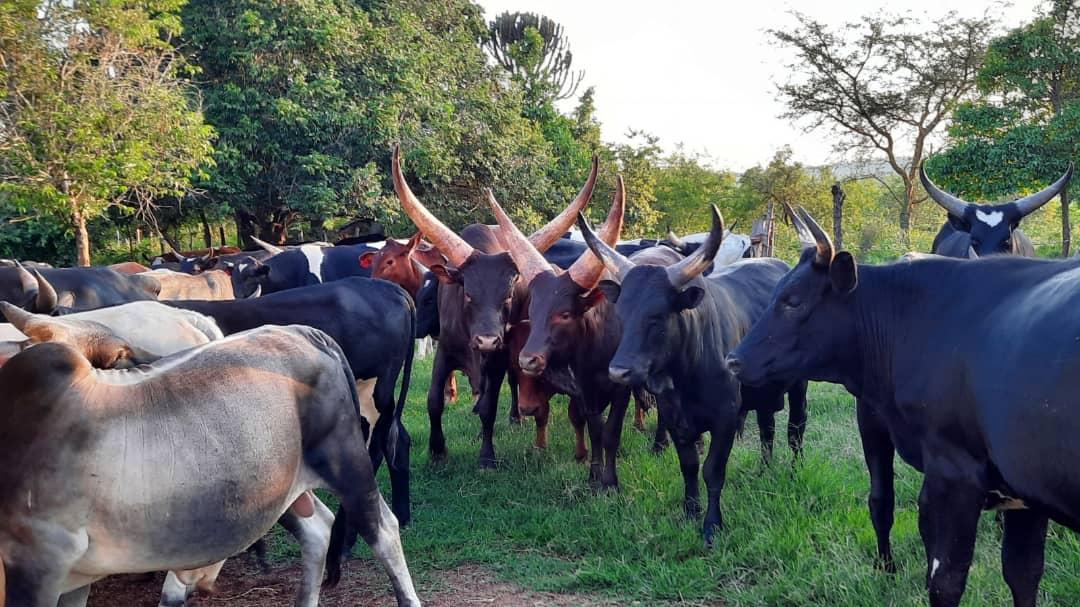
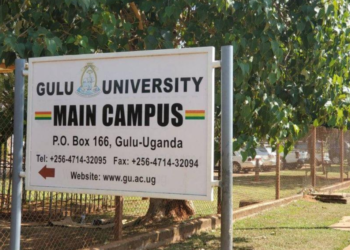
A simmering land dispute in northern Uganda has escalated after residents in Nwoya District rounded up and impounded 13 cattle belonging to Gulu University, accusing the institution of expanding onto contested land without compensating affected families.
The Boran cattle had been moved to Nyamokino Parish last week as part of plans by Gulu University to establish agricultural activities on a section of its 1,500-hectare ranch earmarked for the expansion of its Faculty of Agriculture.


However, local residents insist the university has ignored longstanding demands for compensation for land they claim was taken over for the project.
University spokesperson James Onono Ojok initially described the disappearance of the animals as cattle theft, saying the institution had lost track of the herd and reported the matter to police at Nwoya Central Police Station under SD Reference Number 54/18/06.
“We received information that unknown individuals raided our ranch and drove away the cattle. A team led by the Vice Chancellor reported the incident to police because these animals belong to the university,” Ojok said.
Police investigations, however, indicate that the cattle were not stolen. Nwoya District Police Commander Ivan Nuwagaba said residents moved the animals to a holding kraal managed by soldiers of the Uganda People’s Defence Forces (UPDF) after alleging that the herd was grazing on land whose ownership remains disputed.
“The complaint was recorded, but this is not a case of theft,” Nuwagaba explained. “Community members contend that the land in question does not belong to the university and decided to take the cattle to a UPDF holding ground pending resolution of the matter.”
District officials say the standoff reflects deeper tensions over access to land and compensation in communities affected by public development projects.
Resident District Commissioner Christopher Omara noted that local leaders had advised the university to settle outstanding grievances before proceeding with expansion plans, but construction activities reportedly continued.
Charles Nyeko, one of the residents claiming ownership of the contested land, said villagers acted collectively after losing patience with what they view as unfulfilled promises.
“We were informed that government valuers would assess our property and compensation would be paid before any development began,” Nyeko said. “Instead, we have watched buildings come up while our concerns remain unresolved.”
Efforts to resolve the dispute date back to September 2025, when university management opened negotiations with 17 households occupying portions of the ranch. Gulu University maintains that the land was legally registered in its name in 2015 and is intended to support teaching, research and environmental studies.
The dispute highlights broader challenges facing higher education institutions and rural communities across Africa, where competing claims over land continue to complicate agricultural investments and infrastructure expansion.








 English