










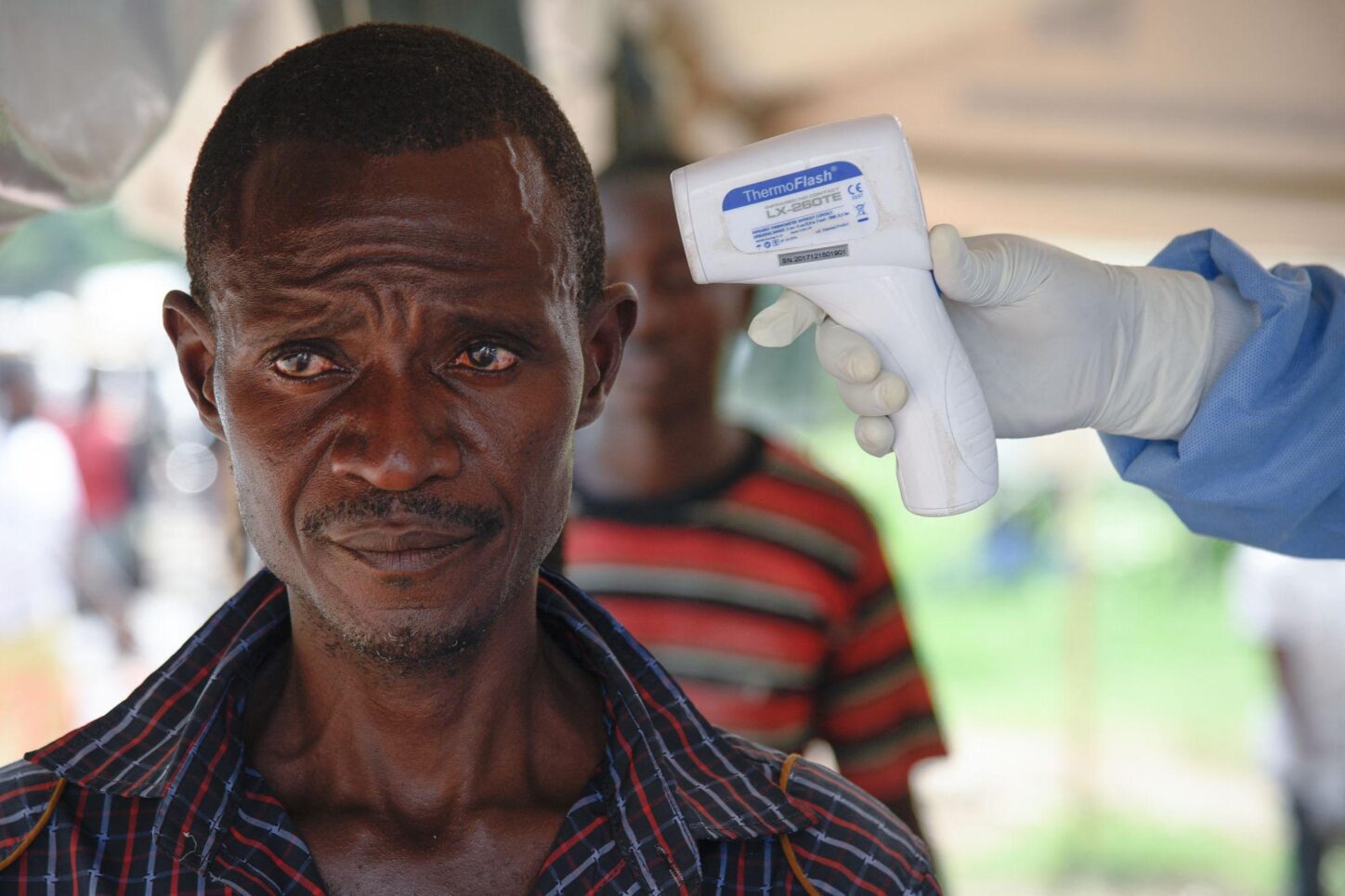
The United Nations has launched an emergency funding appeal worth US$15.8 million to strengthen Uganda’s response to the ongoing Ebola outbreak as confirmed infections linked to the Bundibugyo strain increased to seven cases.
The appeal comes at a time when health authorities are intensifying surveillance and containment efforts, with more than 300 people currently being monitored after coming into contact with infected individuals.

According to Michael Wangusa, the Communications Officer at the UN Resident Coordinator’s Office, the emergency response plan will run for three months from May to August 2026 and involves collaboration between the UN Country Team, humanitarian organisations and the Ugandan government.
Wangusa explained that the response strategy is aimed at supporting Uganda’s efforts to contain the outbreak and prevent further spread, particularly in high-risk districts and refugee-hosting areas.
He revealed that although UN agencies and humanitarian partners had already redirected about US$3.1 million towards immediate emergency interventions, the response still faces a funding shortfall of US$12.7 million.
Health officials remain concerned about the possibility of wider transmission because of the large number of contacts still under surveillance and continued movement between Uganda and the Democratic Republic of Congo (DRC).
Cross-border interactions for trade, family visits and livelihoods have been identified as major factors increasing the risk of spreading the disease.
The UN-supported response plan focuses on several key areas including surveillance, case management, infection prevention, public awareness campaigns, water and sanitation services, nutrition support, psychosocial care and logistical operations.
The appeal also follows growing concerns within the Ministry of Health over insufficient resources to sustain critical response activities.
On Wednesday, the Permanent Secretary at the Ministry of Health, Dr Diana Atwine, disclosed that some planned interventions had delayed because of financial limitations.
Among the affected activities is the proposed deployment of Ugandan health workers to assist neighbouring DRC in controlling the outbreak.
Dr Atwine previously stated that the government requires at least 90 billion shillings to effectively finance Ebola response operations across the country.
Meanwhile, authorities have strengthened preventive measures at border entry points.
The Ministry of Health has announced mandatory 21-day self-isolation for all travellers entering Uganda from the DRC. The quarantine process will be supervised by district surveillance teams and health officials.
Dr Charles Olaro, the Director General of Health Services, said institutional quarantine is currently being reserved mainly for high-risk contacts, especially health workers who have been exposed while treating patients.
Uganda has so far registered one Ebola-related death since the outbreak was confirmed.
Medical experts estimate that the Bundibugyo strain carries a fatality rate of about 40 percent.
Health authorities have also noted that there is currently no approved vaccine or specific treatment for the strain, making early detection, isolation and supportive medical care the most effective tools in reducing fatalities.
Dr Olaro observed that a significant number of confirmed infections have involved frontline health workers, highlighting the dangers medical personnel face while responding to the outbreak.




 English