


















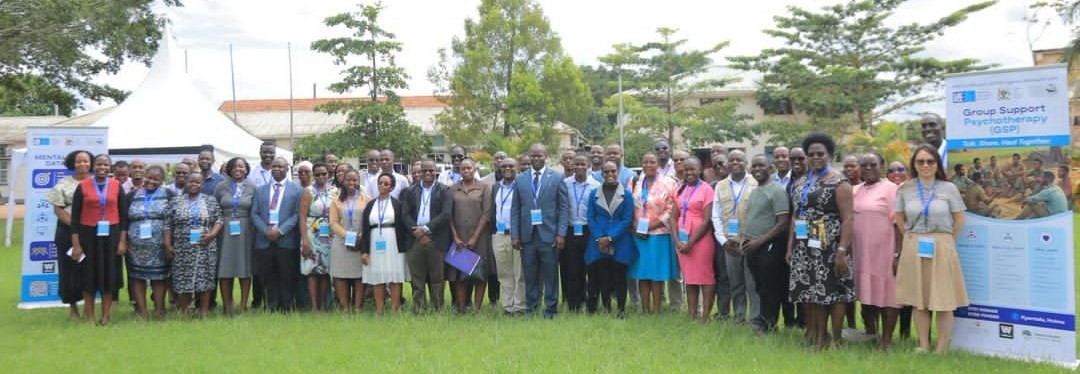
A new mental health study presented at a Group Support Psychotherapy (GSP) dissemination workshop has raised concerns about the sustainability of depression recovery, showing that while treatment is highly effective in the short term, a significant proportion of patients relapse within months.
The research, led by Professor Etheldreda Nakimuli of the Medical Research Council, indicates that nearly one in three individuals treated for depression experience a return of symptoms within six months, despite initially responding well to therapy.

The findings are based on more than a decade of work focused on depression among people living with HIV, a condition that has historically been under-addressed within routine care systems.
The study involved over 1,000 participants drawn from health facilities in Gulu, Kitgum, and Pader districts in northern Uganda.
Participants were divided into two groups, with one receiving standard HIV education while the other underwent Group Support Psychotherapy, a structured counselling intervention designed to address depression through peer-based psychological support.
Both groups showed a marked reduction in depression immediately after treatment. However, follow-up assessments revealed that about 30 percent of participants had relapsed after six months, prompting renewed debate among mental health professionals on how best to sustain recovery.
Experts involved in the study say the findings point to the need for more individualized treatment approaches rather than a uniform model for all patients.
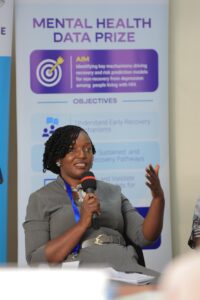
They argue that early identification of individuals at higher risk of relapse could enable targeted interventions such as intensified counselling, closer monitoring, and timely referrals to specialized care.
Officials at the Ministry of Health say the evidence is already informing ongoing reforms in Uganda’s mental health system.
Dr. Kenneth Kalani, a psychiatrist and senior official in the Mental Health Division, noted that the country is gradually shifting away from an overreliance on medication alone.
“Treatment for mental illness has largely been centered on medication, but recovery from conditions like depression and anxiety requires psychotherapy that addresses social and psychological drivers,” he said, adding that revised national guidelines now recommend psychotherapy as a first-line intervention for mild to moderate cases.
The study also highlights the emerging use of predictive data tools to identify patients less likely to respond to standard treatment, a development researchers say could improve outcomes in a system where resources remain limited.
However, stakeholders cautioned that gaps in training continue to undermine service delivery, with many health workers lacking practical counselling skills needed to effectively support patients undergoing therapy. Professor Nakimuli emphasized that effective mental health care goes beyond diagnosis.
“Health workers must be equipped to engage patients, build trust, and support them through the recovery process,” she said.
Personal accounts shared at the workshop underscored the human impact behind the data. HIV activist Babra Kemigisa, who has lived with HIV since 2008, described her personal struggle with emotional distress despite her public advocacy work. She said group therapy played a key role in helping her confront and manage her mental health challenges.
She called for stronger community-based support systems, including safe spaces for young people and greater family involvement, warning that many individuals continue to suffer in silence.
Dr. Hafsa Lukwata, Assistant Commissioner for Mental Health, commended the study, describing it as a major contribution to strengthening Uganda’s mental health response. She said it not only provides scientific evidence on the effectiveness of psychotherapy but also supports the development of more targeted, data-driven interventions.
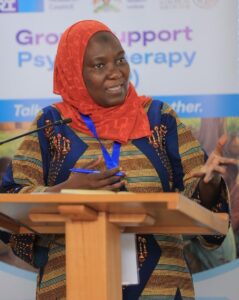
“There is a group of patients who do not improve, and they have not received enough attention,” she said. “We must identify them early and ensure they receive more focused care.”
The study further found that patients who failed to recover often shared common characteristics, including older age, loss of a spouse, unemployment, low income, and weak social support networks.
Many lacked savings or participation in community financial groups and reported high levels of self-blame and stigma, factors that researchers say significantly hinder recovery.
Those who did not receive Group Support Psychotherapy were also far less likely to recover, reinforcing the intervention’s effectiveness while highlighting the challenge of relapse.
As Uganda continues to expand access to mental health services, experts say the findings underscore the need for more tailored, long-term approaches that ensure recovery is not only achieved but maintained.












 English