



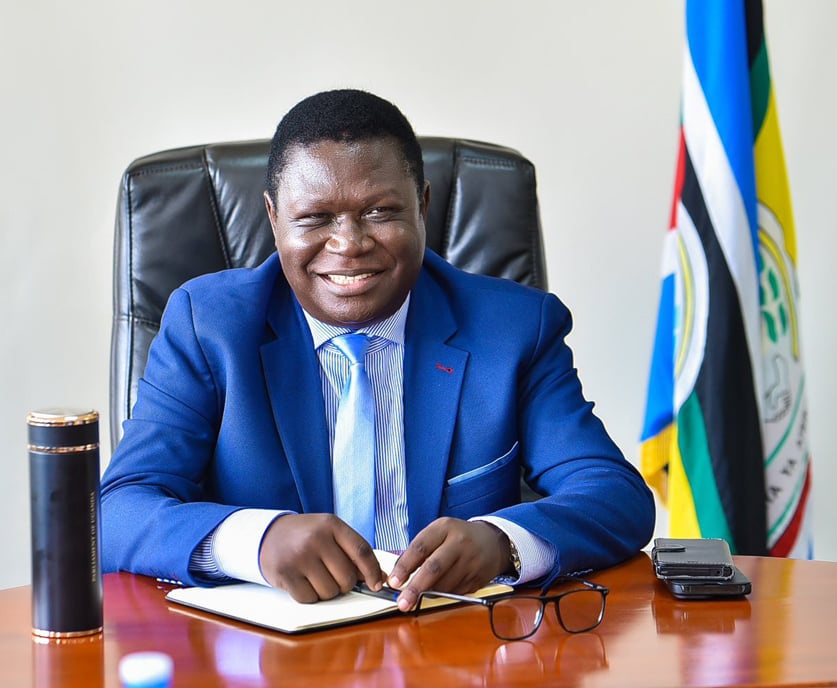
In a strong and reflective statement that could influence Uganda’s political conversation, Minister for Constitutional Affairs and Democratic Party President Norbert Mao has said the country’s future leadership change will not come through elections but through a negotiated and peaceful transition.
Speaking at a welcome home ceremony for Pader Urban Council III Chairperson Fearless Wod Acholi Kilama, Mao emphasized the failure of Uganda’s electoral process to deliver genuine transformation.


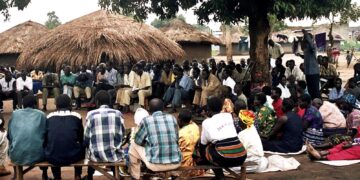
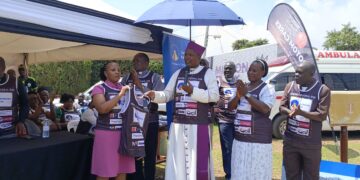
The event was held at Blessed Daudi Okello and Jildo Irwa Catholic Church in Pader Town, celebrating Kilama’s release from Kitgum Government Prison where he had served time for incitement during the COVID-19 protests in 2021.
“Leadership in Uganda will eventually change, but not through ballots,” Mao told the crowd. “One day, people will just wake up and see me being sworn in as President.”
The remarks, though lighthearted in tone, carried a serious message. Mao argued that relying on the ballot box alone is unrealistic given the country’s political climate.
He stressed that real change would come through national dialogue, unity, and strategic negotiation rather than flawed elections.
Mao referenced the cooperation agreement signed between the Democratic Party and the ruling National Resistance Movement following the 2021 elections.
He described it as a foundation for a peaceful transition, emphasizing that it promotes national reconciliation, the restoration of presidential term limits, and the reinstatement of the age limit for presidential candidates.
He urged President Yoweri Museveni to take a historic step by voluntarily stepping aside to allow a peaceful succession. According to Mao, this would show true statesmanship and prevent unnecessary conflict.
Warning Against Tribalism and Political Division
The minister used the platform to caution against tribal divisions that continue to undermine unity in Uganda. Speaking directly to residents of the Acholi sub-region, he reminded them of their diverse legacy, citing both Joseph Kony, the rebel leader responsible for years of conflict, and Bishop Janani Luwum, a national martyr known for his courage and sacrifice.
“Acholi has given Uganda both pain and inspiration. Let us choose the path of light,” Mao said.
He called on young people to uplift one another during political contests instead of pulling each other down. He encouraged them to invest in education and civic awareness as tools for shaping the future.
A Different Vision for Uganda’s Future
Mao made it clear that his approach is not about abandoning democracy but about pursuing a deeper and more sustainable form of change. He believes that change must be negotiated and built on mutual understanding, not simply decided at the ballot box.
“I am not giving up on democracy,” Mao said. “I am giving up on the illusion that elections alone will change Uganda. We need something deeper, something lasting.”
As Uganda prepares for future political transitions, Mao’s call for a negotiated path offers a vision that may challenge traditional ideas about power, succession, and governance in the country. Whether his approach gains traction remains to be seen, but it has certainly reignited debate about the best path forward.




 English