
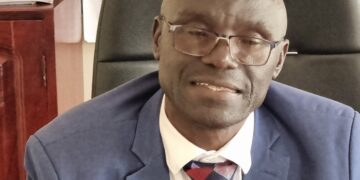














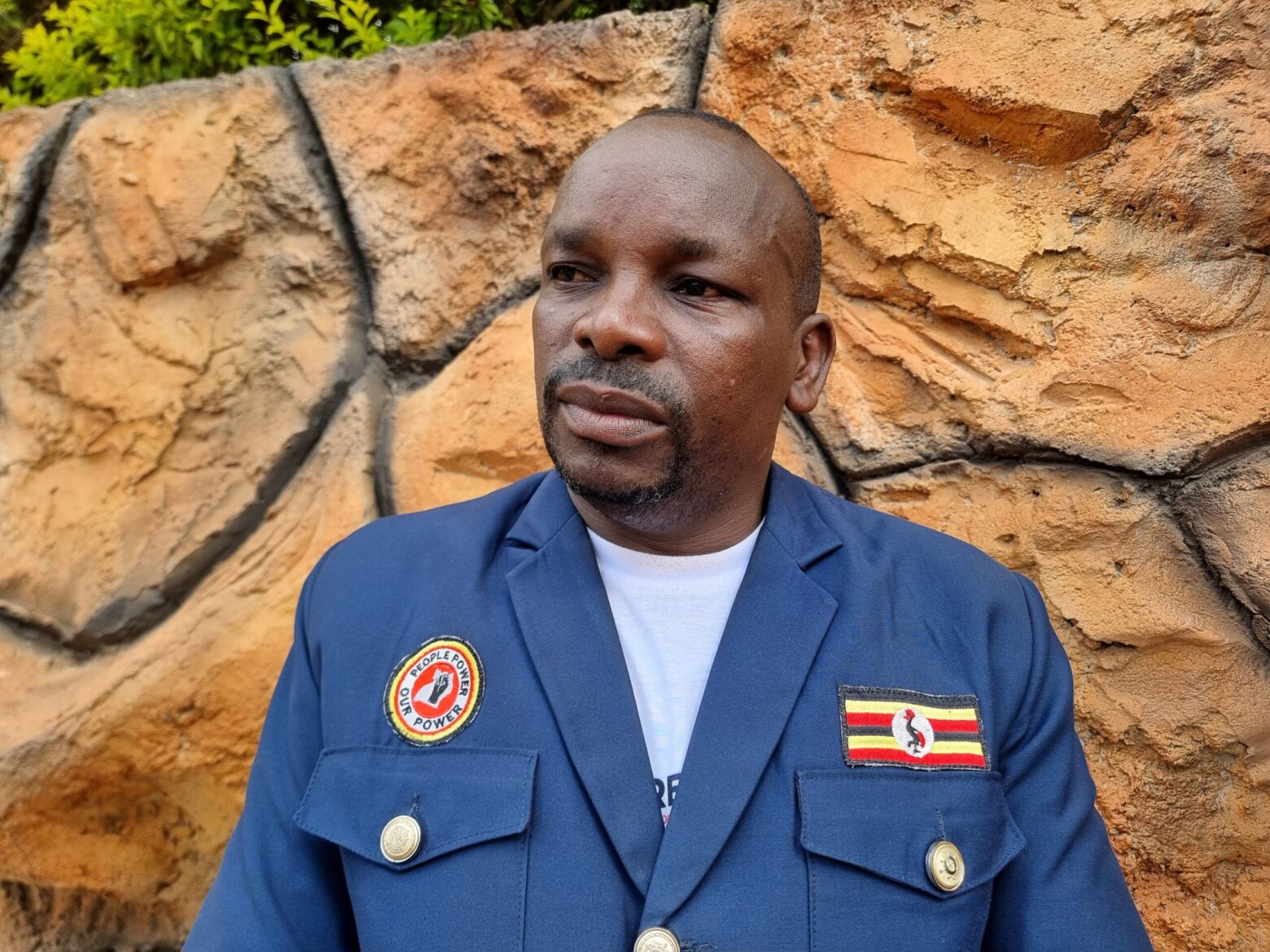
At the National Unity Platform (NUP) vetting grounds in Mukono, Alex Wekoola stood calm but determined.
The unopposed NUP flag bearer for Nkokonjeru Town Council says the party’s vetting process has been nothing short of proper, independent and fair, a far cry from the chaos that sometimes mars political candidate selections.


“In my area, NUP has spoken one language,” Wekoola said, urging fellow contenders to embrace unity. “Those who may lose should stand behind others instead of confronting and tearing apart the party.”
For Wekoola, the road to leadership is not just about winning an election.
It is about restoring Nkokonjeru’s dignity and functionality. He paints a vivid picture of a town where government funding has been slashed, streetlights have gone dark, garbage collection is inconsistent, and public spaces have been left to overgrow.
As a farmer deeply rooted in the community, Wekoola has already been driving change from his own backyard.
He raises livestock and has distributed cocoa and sweet plantain (bogoya) seedlings to local farmers; produce he personally grows and markets.
His ambition is to tap into wider markets, including Canada, where there is an eager demand for sweet plantains. “Leadership will give me the opportunity to easily monitor and follow up on the seedlings I have given to farmers,” he says.
If elected LC3 chairperson, Wekoola will be taking on one of the most crucial roles in Uganda’s local governance system.
LC3 chairpersons are the political and administrative heads of sub-counties, town councils or divisions, tasked with ensuring that government programs are implemented effectively.
They lobby for infrastructure improvements, oversee service delivery, mobilize communities for development projects and act as the bridge between local citizens and higher levels of government.
In practice, they influence everything from roads, health centers and schools to waste management and agricultural support.
For Nkokonjeru, this means Wekoola could directly lobby for the restoration of government funding, push for street lighting projects, organize regular garbage collection and reclaim overgrown public spaces for community use.
Given his farming background, he also intends to prioritize agricultural empowerment, not just as a livelihood but as a driver of economic growth.
“In Uganda, farming is the backbone of our economy,” Wekoola says. “With the right leadership, we can turn it from subsistence to a thriving, market-driven enterprise.”
As he leaves the vetting grounds, Wekoola carries not just the NUP ticket but the hopes of a community that sees in him a farmer’s persistence, a leader’s vision and the promise of a cleaner, brighter and more productive Nkokonjeru.








 English