












Abortion is often a desperate choice that many young girls in Uganda feel they have to make, and sadly, it can lead to serious consequences.
In the slums of Bwaise, Kampala, there are too many stories of girls who have died after trying to have unsafe abortions.

These tragic deaths are mostly preventable and leave families heartbroken, showing just how much more needs to be done to help young girls access the healthcare they need.
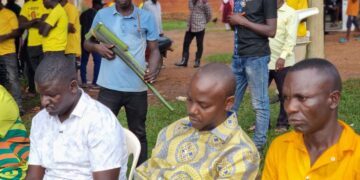
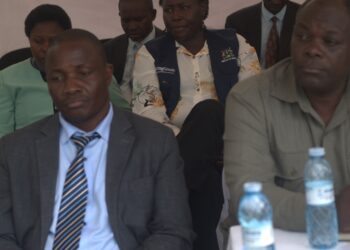
Because of this growing problem, activists in Bwaise have started holding community vigils to raise awareness.
These vigils happen twice a year, once in September for Global Safe Abortion Day and again in December during the 16 Days of Activism against Gender-Based Violence.
During these events, people come together to remember the girls who have lost their lives due to abortion-related issues.
They share stories, pray, and talk about the importance of getting proper healthcare to prevent these tragedies from happening again.
Ronald Kavuma, an activist with the Tusitukirewamu community group, explains that their initiative was launched in response to the rising number of young girls dying from unsafe abortions.
Many of these girls resort to using crude methods to terminate their pregnancies or are found in dire conditions after being taken from shrines.
During their outreach efforts, Kavuma and his team called upon the community to share names and stories of those who have lost their lives to these dangerous practices.
As they prayed for the victims, they also worked to raise awareness about the risks involved.
According to estimates from the Ministry of Health, around five percent of maternal deaths in Uganda are related to abortion.
Kavuma points out that this alarming statistic is partly due to the lack of awareness about post-abortion care available in health facilities.
Many girls arrive at hospitals too late to be saved, a situation exacerbated during the COVID-19 pandemic when Kavuma’s group often found girls in critical condition after unsafe procedures.
While abortion is illegal in Uganda, it is permitted only in specific cases, such as when the mother’s life is in danger, in instances of rape, or when there are serious health issues with the fetus, as confirmed by a medical professional.
Moses Odongo, a team leader at the NGO Family Medical Point, argues that current laws surrounding abortion are not effective.
He notes that despite the government’s provision of free post-abortion care, many women and girls are still resorting to dangerous, makeshift methods to terminate their pregnancies.
The fear of seeking help in hospitals means that many arrive too late to be treated.
Odongo noted that sex workers and young girls living in impoverished areas bear the brunt of unsafe abortions, often facing dire consequences.
Judith Kansiime, a health worker who operates a safe abortion clinic in Wakiso district, shares that most of her patients are survivors of rape or sexual abuse by family members.
She stresses the urgent need for awareness not only about safe abortion and post-abortion care but also about contraceptive options.
Improving access to contraceptives, she adds, could significantly reduce the number of women facing unwanted pregnancies and the subsequent need for abortions.
Kansiime further warns that the costs associated with surgeries resulting from unsafe abortions can be a heavy burden for both families and the government.
END.









 English