

















The Uganda Civil Aviation Authority (UCAA) has convened a major regional workshop on System-Wide Information Management (SWIM) and Flight & Flow Information for a Collaborative Environment (FF-ICE), marking a key milestone in the country’s push toward modernized, data-driven air navigation.
The three-day workshop is taking place at the Protea Hotel in Entebbe from December 2–4, 2025.

Jointly organized with the International Civil Aviation Organization (ICAO) and the Civil Air Navigation Services Organisation (CANSO), the workshop brings together aviation regulators, technical experts, and industry stakeholders from across Africa to align on interoperable systems that enhance safety, efficiency, and collaboration.
Opening the event, UCAA Deputy Director General, Ms. Olive Birungi Lumonya, highlighted Uganda’s significant progress in adopting global aviation data standards.
These include the use of AIXM 5.1 for digital aeronautical information, IWXXM for standardized meteorological data exchange, and electronic Terrain and Obstacle Data (eTOD) to improve flight safety.
Ms. Lumonya noted that these advancements position Uganda as a regional leader in modernizing air traffic management systems and lay the foundation for trajectory-based operations, a next-generation approach to flight planning and management.
“The adoption of SWIM and FF-ICE is transforming how aviation data is shared, enabling timely, accurate, and collaborative decision-making across the continent,” she said, reaffirming UCAA’s commitment to becoming a premier aviation hub in the region.
The workshop aims to boost regional collaboration, fast-track SWIM implementation, and align African aviation systems with ICAO’s Global Air Navigation Plan (GANP), which guides states in adopting modern and interoperable technologies.
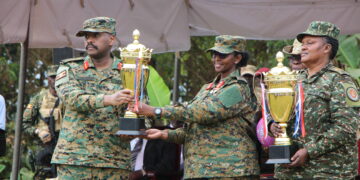
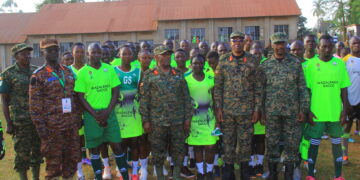
The event also comes as Uganda celebrates Aviation Week, which will culminate in a Stakeholders’ Engagement Breakfast on December 16, 2025, alongside a series of sporting and community engagement activities.
Uganda’s leadership in regional aviation has been further strengthened by its recent election to ICAO’s Council for the 2025–2028 term—a development regarded as recognition of the country’s growing influence and progress in the sector.
As global aviation shifts toward smarter and more interconnected operations, the Entebbe workshop marks an important step in preparing African airspaces for a safer and more efficient future.









 English