


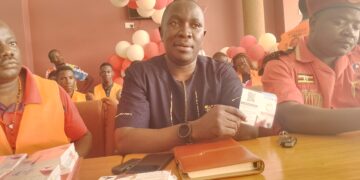
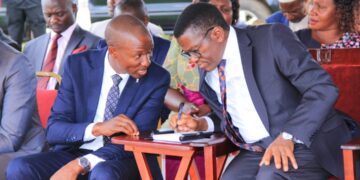


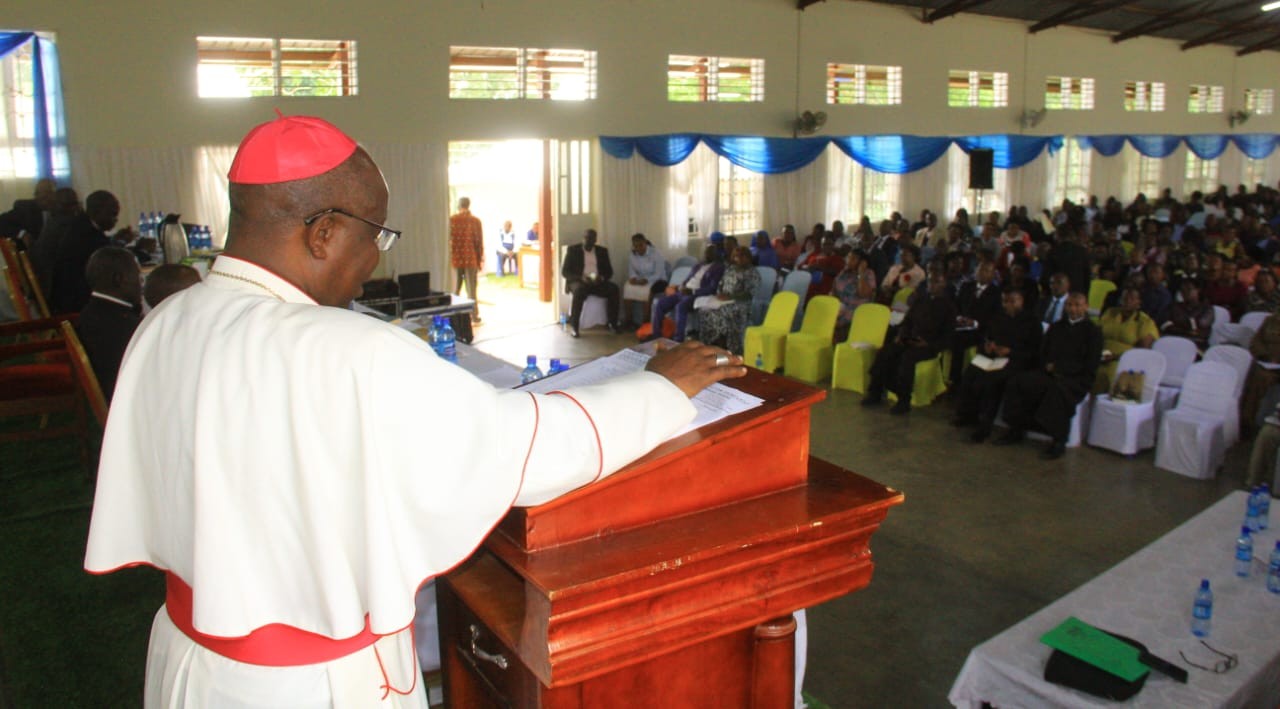
The Masaka Diocesan Education Secretariat has officially launched its 2026 Education Work Plan, unveiling a raft of strict measures aimed at strengthening academic performance, financial accountability, discipline, and spiritual formation in Catholic-founded schools under the diocese.
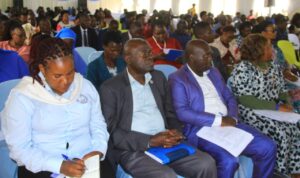
The new directives were announced during the launch held at St. Henry’s College Kitovu, where the Education Secretary, Rev. Fr. Michael Kamulegeya, warned headteachers against contracting bank loans without proper authorization.

He revealed that several school heads have in recent years borrowed money for projects without the knowledge or approval of the diocesan authorities, only to leave behind unpaid debts when they are transferred to other stations.
Under the new guidelines, no school will be permitted to borrow money without written clearance. School Management Committees must first submit a formal request to the Education Secretariat, which will then seek final approval from the Bishop before any loan is secured. Fr. Kamulegeya said the move is intended to protect schools and the diocese from accumulating unsustainable debts.
The diocese also raised concern over declining academic standards in some institutions, particularly those that performed poorly in UNEB examinations at Primary Leaving Examination and Uganda Certificate of Education levels. Schools with weak results have been directed to immediately implement clear strategies to improve performance.
Administrators were further cautioned about declining enrolment figures, with some schools reportedly dropping from about 500 students to nearly 100. Leaders were urged to maintain and grow student numbers, keep infrastructure in good condition, and expand facilities where possible.
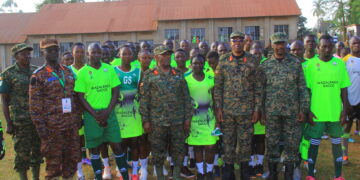
In a bid to nurture talents beyond academics, the diocese announced the resumption of inter-school sports competitions, particularly football and netball, starting April 2026.
Participation will be mandatory for all schools. Officials noted that sports have become a pathway to employment and wealth creation for many young people and should be treated as an integral part of education.
To support diocesan development, every school will contribute between Shs 200,000 and Shs 1,000,000 towards the construction of a Diocesan Resource Centre to be built near the sports arena. Construction is scheduled to begin in June 2026.
Schools have also been directed to prioritize purchasing supplies from diocesan-owned businesses, including MADDO Dairies for student milk programmes, Masaka Hardware, Radio Centenary, and Church bookshops, before considering other service providers.
The diocese issued a stern warning against examination malpractice, describing cheating as a sin that violates the Seventh Commandment and tarnishes the image of the Church.
Officials said malpractice not only disgraces schools but also harms students, who may later be forced to defend irregular results before UNEB or repeat classes, causing psychological distress and resentment toward education.
Environmental conservation and hygiene were also emphasized, with schools required to participate in the “Katabi” tree-planting initiative. Administrators were further warned against establishing makeshift boarding sections that fail to meet Ministry of Education standards.
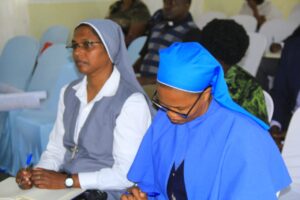
The Bishop of Masaka Diocese, Severus Jjumba, urged school managers to build strong institutional cultures that distinguish their schools from others.
He emphasized the importance of effective communication among staff, issuing clear employment contracts, listening to grievances, and mentoring teachers to prepare them for future leadership roles.
He encouraged schools to develop rituals that reward excellence, including scholarships and public recognition of outstanding students and teachers.
Bishop Jjumba said it is painful to see managers who merely occupy offices without adding value or dreaming about the growth of their institutions.
He stressed that teachers are primary role models and warned that if educators practice corruption, such as influencing student elections through bribery, they risk producing future national leaders who normalize corruption.
The Chairperson of the Diocesan Board of Education and head of Uganda Martyrs University Masaka Campus, Rev. Fr. Dr. George William Byalugaba, called for teamwork among headteachers, teachers, parents, and students.
He urged proper implementation of government education policies such as Universal Primary Education and Universal Secondary Education, noting that while the policies are well designed, poor implementation has undermined their intended impact.
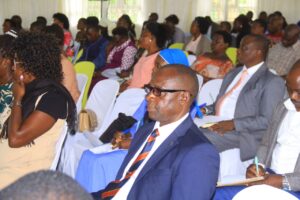
Fr. Byalugaba encouraged stakeholders to embrace what he described as the “Three Cs” to avoid producing half-baked citizens.
These include compliance with established rules, contribution by adding both physical and moral value to institutions, and understanding the consequences of one’s actions, whether positive or negative.
The 2026 Education Work Plan signals a firm stance by the diocese to tighten governance, raise standards, and reinforce moral values in its schools as it seeks to shape disciplined, competent, and principled future leaders.





 English