





The National Unity Platform (NUP) has moved to ensure that aspirants currently in detention are not sidelined in the party’s vetting process for the 2026 general election.
Speaking on Monday, Joel Ssenyonyi, the party’s spokesperson and Leader of the Opposition in Parliament, said NUP is finalising mechanisms that will enable incarcerated members to take part in the ongoing exercise.

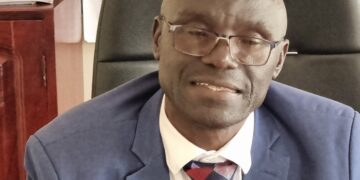
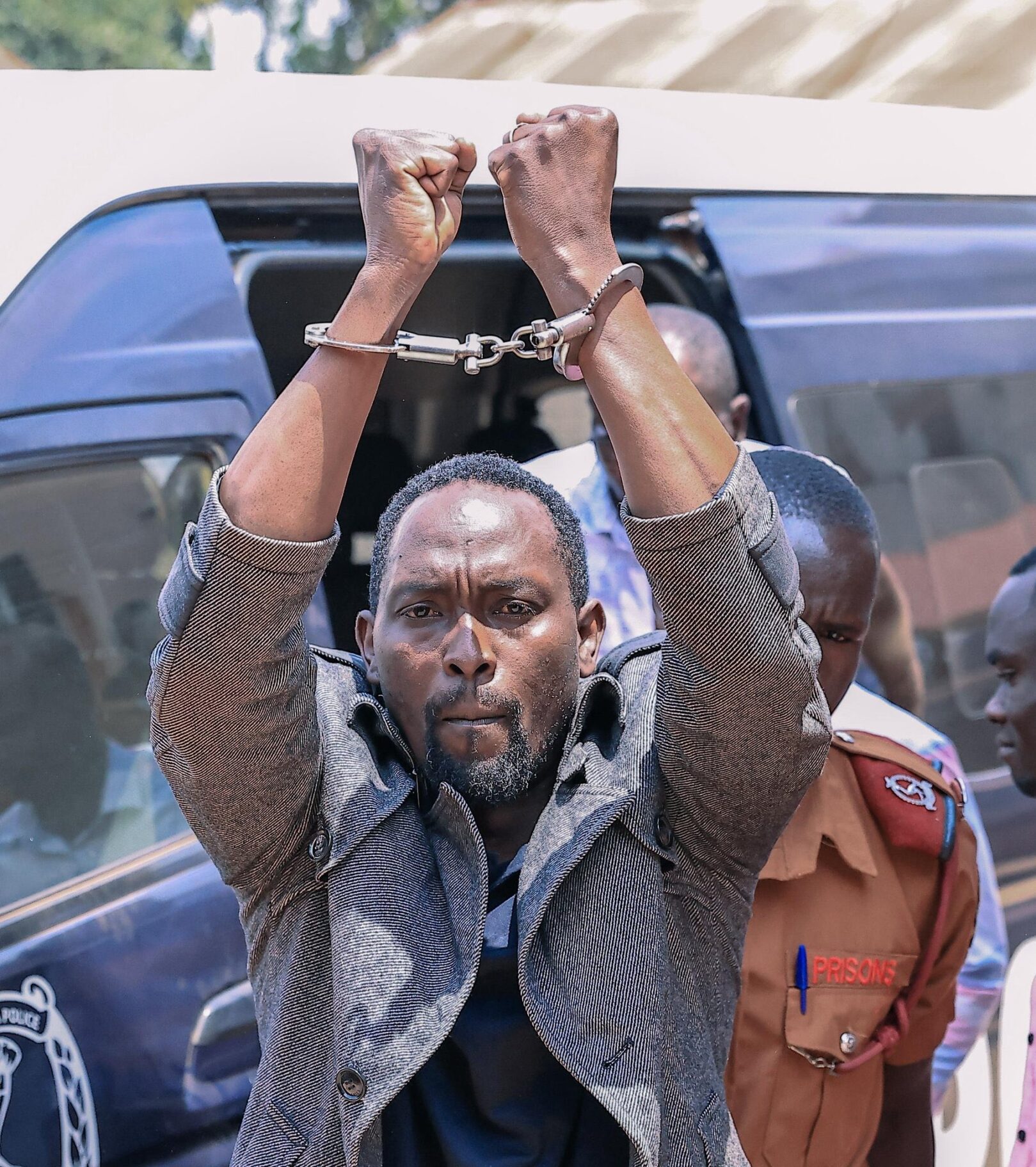
His remarks were sparked by growing concerns over the fate of Alex Waiswa Mufumbiro, the NUP Deputy Spokesperson, who is battling charges of unlawful military drilling before the Kawempe Magistrates’ Court.
Mufumbiro, currently on remand, had already declared his interest in contesting for the Nakawa East Parliamentary seat.
The constituency fell vacant after incumbent Ronald Balimwezo Nsubuga opted to run for the position of Kampala Lord Mayor.
“We cannot deny anyone a chance to be vetted simply because they are in prison. The circumstances of their detention were not of their own making,” Ssenyonyi said, insisting that detention should not translate into political exclusion.
Vetting in Detention: How It Could Work
John Mary Ssebuufu, a member of NUP’s Election Management Committee (EMC), explained that the committee is actively engaging relevant authorities to explore practical solutions.
These could include securing permission to access prisons, conducting written submissions, or arranging virtual interactions with detained aspirants.
“This is about fairness. The law has not barred them from aspiring for elective office, so we as a party must also ensure they are not unfairly disadvantaged,” Ssebuufu said.
The challenge of vetting absent aspirants is not new in Uganda’s political space.
Opposition figures have in recent years faced arrests during campaign seasons, often on charges such as unlawful assembly or incitement.
Critics argue that such charges are routinely weaponised to disrupt opposition activities and weaken their participation in elections.
Day Two of the Vetting Exercise
The vetting exercise, now in its second day, has already drawn high-profile aspirants.
Among them was Ssenyonyi himself, who appeared before the committee to seek endorsement for the Nakawa West Parliamentary seat.
He underscored the principle of equal treatment within the party’s internal processes.
“Even those of us in leadership must be vetted like everyone else. It is a test of merit, not position,” he noted.
Other aspirants vetted included Kampala Woman MP Shamim Malende, who promised to intensify her advocacy for political prisoners and Kampala’s business community.
Her challenger, Zahara Maala Luyirika, the Speaker of the Kampala Capital City Authority, argued that her experience in city governance uniquely positions her to champion Kampala’s needs, including a bigger budget.
The process also featured Roy Ssembogga (Kawempe South), who will face off with Fred Nyanzi, the elder brother of NUP President Robert Kyagulanyi Ssentamu, as well as Elias Luyimbaazi Nalukoola (Kawempe North), David Musiri (Makindye West), and David Lewis Rubongoya (Kampala Central).
Outside the capital, Godfrey Bainomugisha, a banker and the only aspirant for the Bushenyi-Ishaka Municipality seat, highlighted western Uganda’s struggles with poverty and failing health services. He accused the ruling NRM of intimidating opposition voices in the region.
Looking Ahead
The vetting continues tomorrow, with aspirants from Greater Masaka, Lango, and Tooro expected to appear before the committee.
As the process unfolds, the spotlight remains on how NUP will handle the participation of detained aspirants.
For many within and outside the party, the decision is a test of both NUP’s internal democracy and Uganda’s broader political environment, where opposition activism frequently collides with state power.






 English