
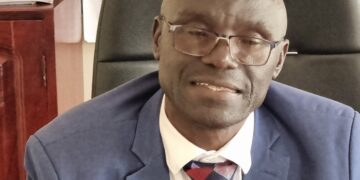




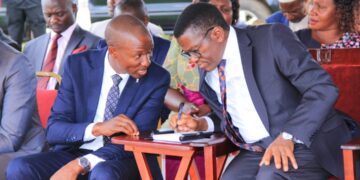





Maj Gen Chris Damulira, the Police Director of Crime Intelligence, is facing intense scrutiny following the circulation of videos showing gangs wearing National Resistance Movement (NRM) T-shirts assaulting civilians along roads and streets in Kampala.
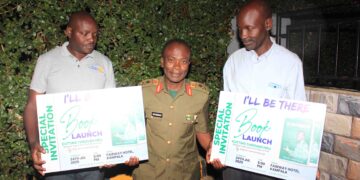
Since 2020, Damulira has spearheaded a controversial initiative to rehabilitate ghetto youth, presenting them as success stories to President Yoweri Museveni.


The President reportedly extended nearly UGX 3 billion to these groups through Savings and Credit Cooperative Organizations (SACCOs), under Damulira’s coordination.
At public events, Damulira has repeatedly accused the opposition of exploiting ghetto youth for political gain without addressing their economic needs.
“He is helping these boys—not just giving them money. They are now doing welding, shoemaking, art, and craft. But the opposition only used them for rallies and demos,” a police officer close to Damulira said earlier this year.
Over 50 such groups have reportedly been formed across Kampala suburbs, including Kamwokya, Kibuli, Katwe, Ndeeba, Naguru, and Kasokoso in Wakiso District.
However, critics—including politicians and senior security officials—argue that Damulira’s initiative has fostered criminal gangs who believe they are above the law.
“We’ve been warning him that he’s building another Bodaboda 2010-type gang like the one created under Gen Kale Kayihura,” said a senior security officer. “Let him now come out and defend this madness.”
Bodaboda 2010 became a notorious gang linked to murder, robbery, and extortion before its disbandment in 2018.
Another security official alleged that Damulira’s initiative had become a personal money-making scheme.
“The day I saw a colleague carrying a sack of money to the ghettos in Kasokoso on Damulira’s orders, I knew this was a business,” he said.
Saturday’s violent scenes, in which gangs targeted road users en route to Kololo for President Museveni’s nomination, appear to have validated longstanding concerns within the security circles.
“These gangs have made parts of Kampala no-go zones. We warned him. Let him now clean up the mess,” a senior officer said.
Police spokesperson ACP Kituuma Rusoke confirmed that several suspects have been arrested, with more still being pursued. “We cannot allow gangs to victimise residents,” he stated.
NRM spokesperson Emmanuel Dombo also distanced the party from the violence. “It is not our operation to have gangs. We don’t work with such groups. We have asked the Inspector General of Police to investigate and hold accountable whoever mobilised them,” Dombo said.
Damulira appeared on a Kampala radio station on Sunday to defend his programme, insisting that the youth groups under his oversight are not involved in crime.
In a brief interview with Uganda Radio Network (URN), he said: “I have not received such a report from my field officers or group leaders.” He declined to say whether his Crime Intelligence Directorate had launched an investigation.
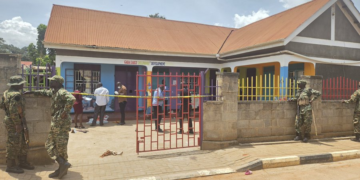
One of the groups linked to Damulira’s programme is “Al-Qaeda,” based in Kibuli, which in 2023 was implicated in the killing of an 18-year-old student. The incident prompted an army raid on the group’s hideout.
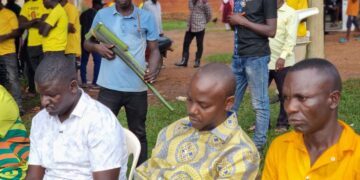
Saturday’s attackers are reportedly linked to a gang from Lubaga, led by Ivan Kamuntu alias Majembere, who has since pledged to help the police identify those captured in the viral videos.
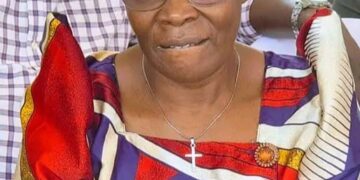
Among the victims of Saturday’s violence was retired Assistant Inspector General of Police Grace Akullo, former head of CID and Interpol.
She was robbed of her phone while at an ATM along Nile Avenue. Her son, who was waiting inside their vehicle, was also attacked and injured before his phone was stolen. He was later admitted to Mulago Hospital.
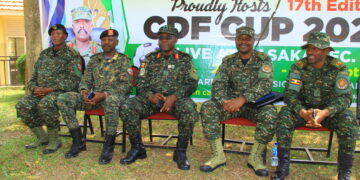
Maj Gen Damulira joined the Uganda Police Force in 2019 as a Colonel and rose to the rank of Brigadier in 2021. He was promoted to Major General last week by the Chief of Defence Forces, Gen Muhoozi Kainerugaba.
Security sources also allege that the same gangs were deployed to instigate violence during the March Kawempe North by-election, reportedly working in conjunction with the Special Forces Command (SFC), Joint Anti-Terrorism Taskforce (JATT), and police.






 English