
















Truth has always been the most elusive currency in politics, yet Madagascar seems to have decided that it can now be measured with wires, needles, and a machine known as a lie detector, otherwise called a polygraph.


In what can only be described as a mix of audacity and theatrical flair, interim leader Colonel Michael Randrianirina has decreed that aspiring ministers must pass this polygraph test with at least 60 percent “integrity” before they can even sit for an interview.
The announcement has left observers both amused and incredulous. Who knew that the complex work of rebuilding governance after a coup could be reduced to a stress test and a needle dancing across a dial? It is the sort of initiative that makes one laugh, shake one’s head, and quietly wonder if Madagascar has invented a new form of political theatre.
At first glance, the initiative may appear bold, even noble. After all, the country has endured political instability, a coup in 2025, and widespread disillusionment with governance. Citizens are understandably eager for a signal that leaders will be accountable, transparent, and committed to public service. A polygraph test seems, on paper, to offer exactly that: a clear, measurable, and objective way to assess whether those seeking high office are telling the truth.
Yet beneath the veneer of modernity and scientific rigor lies a fundamental misunderstanding of both human nature and the mechanics of governance. The first problem is simple: a polygraph does not detect lies. It measures stress. It monitors heart rate, blood pressure, respiration, and skin conductivity, all physiological responses that can spike for a variety of reasons. Nervousness, excitement, fear, embarrassment, or even disbelief at being asked intimate questions can produce results indistinguishable from dishonesty.
In this context, the honest but anxious candidate may fail, while the calm and practiced deceiver may pass with ease. Madagascar’s system, therefore, rewards composure over integrity, performance over principle, and drama over substance. Leadership, in other words, has been reduced to a performance metric rather than a measure of ethical judgment or competence.
The second problem is the arbitrary 60 percent threshold. Leadership is not a mathematical formula, and honesty is not a commodity that can be split into percentages. Suggesting that a candidate can be “partially honest” and still qualify for ministerial office trivializes the moral and ethical standards required for public service. It implies that a tolerance for corruption, or at least for dishonesty under certain circumstances, is acceptable. This is not only absurd but dangerous.
It sends a message to both politicians and citizens that integrity is negotiable, that leadership can be measured by a passing grade, and that governance can be simplified into a spectacle of machines and needles. The theatrical nature of the polygraph requirement also raises questions about intent and efficacy. Critics have rightly called it political theatre, and the label is apt.
A staged, visually dramatic process may capture attention and inspire temporary admiration, but it does little to address the underlying issues of governance. While the machine provides a visible demonstration that the government is serious about honesty, it substitutes appearance for substance. Trust in public institutions cannot be built on the spectacle of a lie detector test; it requires consistent, enforceable systems that hold leaders accountable over time.
There is also a psychological dimension to consider. The mere existence of the polygraph may intimidate some would-be wrongdoers, creating a sense that dishonesty carries immediate risk. Yet it can also discourage honest individuals from participating, particularly those who may be naturally anxious, introverted, or unfamiliar with such tests. It encourages rehearsed, performative behavior rather than genuine integrity.
The machine is not neutral; it imposes a specific form of conduct and rewards the ability to “perform honesty” under stress rather than fostering true ethical reflection. In effect, Madagascar risks creating leaders who are skilled at appearing honest while lacking the institutional commitment to act with integrity.
The broader lesson is that leadership is not experimental. Governance is not a laboratory in which machines, tests, or dramatic gestures can be deployed as quick fixes. Madagascar’s initiative reflects a fascination with spectacle over rigor, novelty over strategy, and excitement over planning.
While the initiative may be amusing and even captivating to onlookers, it reveals a fundamental misalignment between symbolic actions and substantive reform. Leadership requires thought, deliberation, and systems that ensure accountability regardless of circumstance or personality. It cannot be improvised with a needle or quantified as a percentage.
Madagascar would benefit more from building robust institutions than from relying on the polygraph. Transparent procedures for ministerial appointments, independent oversight bodies, rigorous audit and procurement mechanisms, whistleblower protections, and an empowered judiciary are far more effective in preventing corruption and fostering public trust than any lie detector test.
These measures are slow, methodical, and unglamorous, yet they create the conditions for sustainable governance. They are the work of disciplined statecraft, not of theatrical display. Moreover, a focus on systems mitigates the risks inherent in relying on individual assessments of honesty.
No machine, no matter how advanced, can replace checks and balances that distribute power, ensure accountability, and limit opportunities for abuse. By contrast, Madagascar’s polygraph policy places undue weight on a single point of measurement, creating the illusion of certainty while leaving structural vulnerabilities intact.
The public may cheer the drama of the moment, but trust in governance is earned through consistent action, not by the results of a needle on a dial. The lesson is clear. Countries recovering from political instability must prioritize institutional strength over imaginative shortcuts.
A nation cannot hope to cultivate integrity by experimenting with novelty or spectacle. Leadership is neither performative nor probabilistic. It requires enforceable rules, predictable processes, and an ethical culture that values principle over performance. Madagascar’s polygraph initiative may temporarily grab headlines, but it cannot substitute for the slow, careful, and often tedious work of building a resilient governance framework.
In conclusion, Madagascar’s 60 percent lie detector test for cabinet appointments is a striking example of ambition meeting overzealous creativity. The initiative is amusing, surprising, and even faintly noble in intent, but it is fundamentally flawed. It confuses appearance with reality, substitutes spectacle for structure, and risks undermining both integrity and trust.
True leadership cannot be wired, measured, or dramatized. It is cultivated through strong institutions, transparency, accountability, and ethical culture. Any country that aspires to integrity and stability must remember that, no matter how tempting the needle of a polygraph may appear.
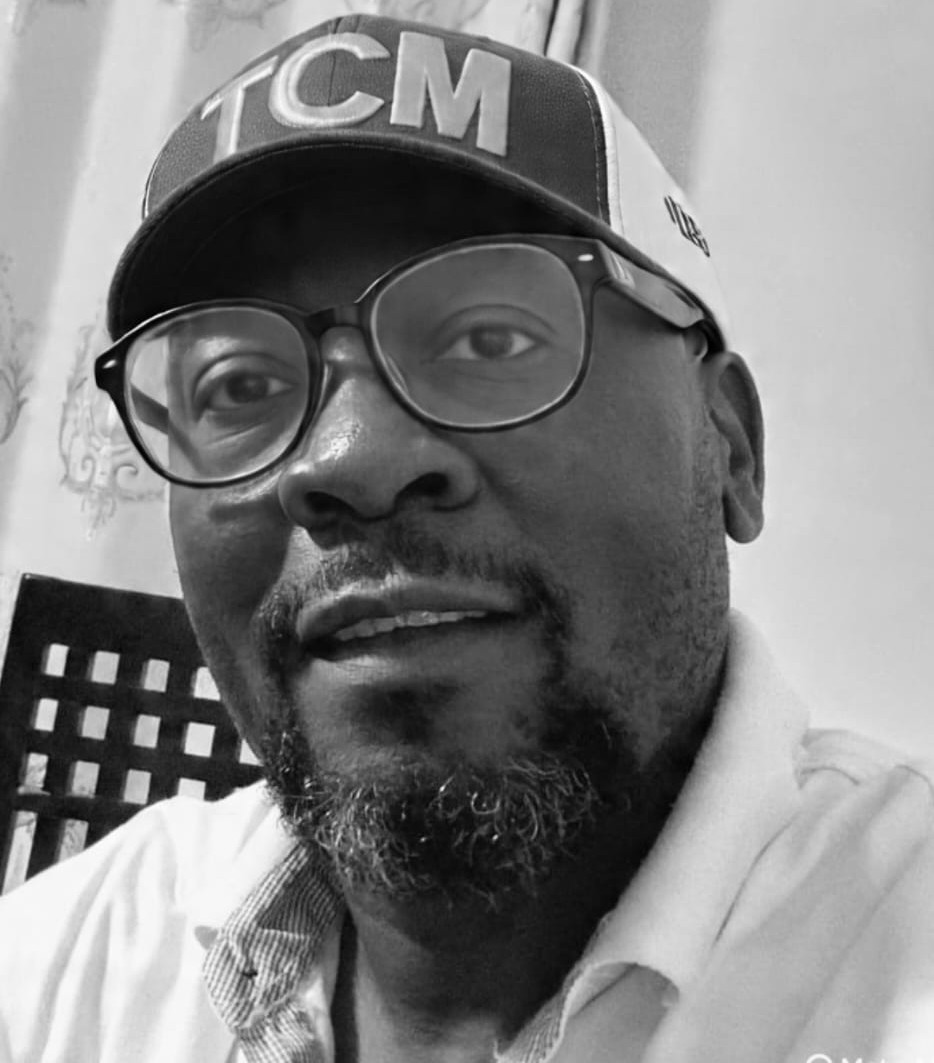
By Twiine Mansio Charles CEO and Founder of The ThirdEye Consults (U) Ltd











 English