















The High Court in Jinja has ordered The AIDS Support Organisation to compensate a man with Shs190 million after ruling that he was erroneously diagnosed with HIV and kept on treatment for seven years despite being HIV negative.
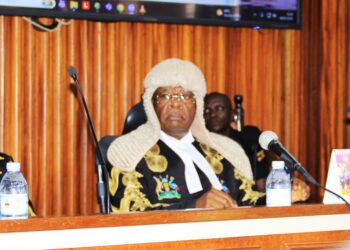
In a judgment delivered by Justice Joanita Bushara, the court found that John Wataka was wrongly initiated on Anti-Retroviral Therapy (ARVs) in 2016 following tests conducted by The AIDS Support Organisation. He remained on the medication until 2023.

According to court records, Wataka was first declared HIV positive in July 2016 and was immediately enrolled on lifelong treatment.
The issue only came to light in 2022 when he sought to access benefits from National Social Security Fund under a scheme designed for people living with HIV. Independent tests conducted at the time returned negative results, prompting further investigations.
Wataka presented the findings to TASO, which carried out fresh tests that also confirmed he was HIV negative. In its defence, the organisation argued that its medical team adhered to the HIV testing algorithms approved by the Ministry of Health, adding that no diagnostic test kit guarantees 100 percent accuracy.
However, evidence before court showed that in July 2021 TASO had conducted viral load tests on Wataka, with results indicating less than 50 copies per millilitre — a finding that suggested prior detection of the virus.
The court examined this alongside other medical evidence before concluding that the diagnosis and continued treatment were negligent.
Justice Bushara awarded Shs140 million in general damages, citing the prolonged physical and psychological suffering Wataka endured from taking medication he did not need.
The court also considered the breakdown of his marriage and the emotional distress he experienced over the seven-year period.
An additional Shs50 million in aggravated damages was granted on grounds of negligent diagnosis and wrongful administration of ARVs.
In her ruling, the judge underscored the importance of professional judgment in medical practice, warning against rigid reliance on protocol at the expense of individual patient assessment.
She noted that Wataka had placed his trust in a reputable health institution but was ultimately let down by systemic failures.
The case has sparked fresh debate about the need for strict quality assurance measures in HIV testing and treatment services, as well as safeguards to prevent similar incidents in the future.








 English