








A single or double-deck bed typically accommodates one student in a boarding school, providing a safe and comfortable place to sleep with a sense of personal space.
This setup also helps students avoid communicable diseases and discourages certain habits. However, for students at Nairambi Seed School in Buvuma Island District, it’s far different.


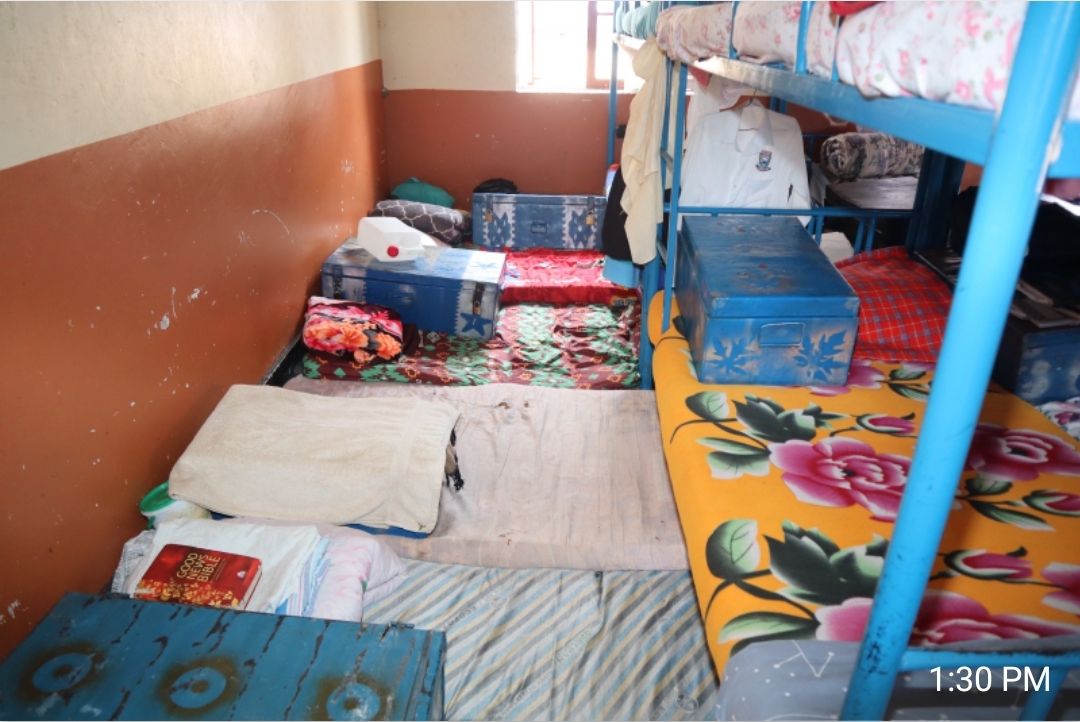
Due to a severe shortage of beds, many students are forced to share, making privacy a distant luxury and raising health concerns.
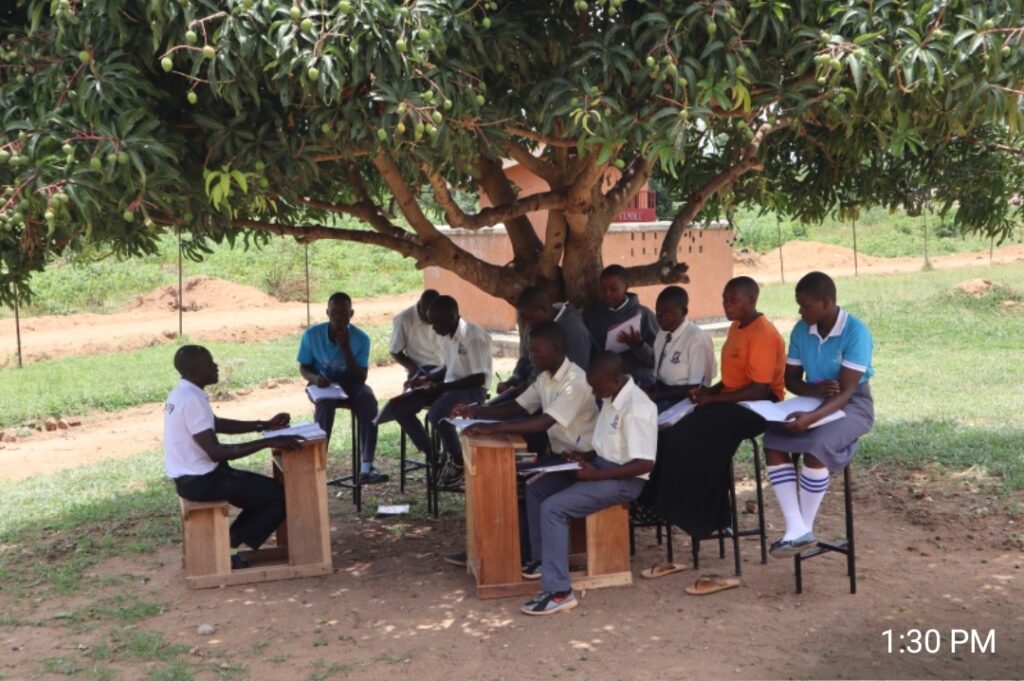
Worse still, a lack of classrooms at the school has pushed the school to resort to using tree shades as makeshift learning spaces.
Faridah Namusisi, the headmistress of Nairambi Seed School, has expressed deep concern over the challenges they face.
She outlined several issues, including the lack of safe drinking water, no access to electricity, and a shortage of classrooms to accommodate the growing student population.
The limited dormitory space has forced some students to share beds, while others are left to lay their mattresses on the floor.
Namusisi stresses that these conditions are not just uncomfortable but pose serious risks to the students’ health and education.
Due to a lack of clean drinking water, students at Nairambi Seed School are forced to fetch water from the lake.
For night studies, they rely on solar-powered lamps bought by the area MP Robert Migadde Nduggwa, which the headmistress, Faridah Namusisi, says could lead to vision problems.
Last week, she spoke to members of the Parliamentary Committee on the National Economy during their two-day visit to monitor government projects in the islands.
During the visit, two classes were being taught under a tree and on a classroom verandah because of a shortage of classrooms.
Although the school recently completed an ICT lab, it still lacks computers, and the science lab remains unequipped.
As the MPs toured the school, they found two female students resting in a makeshift sickbay, a situation that raised concerns.
Additionally, the school lacks a perimeter wall, and Namusisi explained that this could lead to students sneaking out for unsafe activities.
She also highlighted that, due to limited dormitories and beds, students are forced to share beds, while others sleep on the floor, both situations increasing the risk of spreading contagious diseases.
Namusisi added that while the new curriculum requires students to work in groups, this is nearly impossible because of the overcrowded classrooms, forcing the school to stick to outdated teaching methods.
Her concerns were echoed by Friday Wandera, the district NRM chairperson, who appreciated the government’s effort in constructing new buildings but emphasized that more are still needed.
“Even though we live in what is considered a ‘hard-to-reach area,’ we shouldn’t be left to endure ‘hard-to-stay’ conditions,” Wandera said, noting that the student population has surged from 15 in 2019 to 870 today, increasing the need for better resources.
Buvuma Deputy Resident District Commissioner Patrick Mubiru reassured students that President Museveni is aware of their challenges and urged them to remain patient.
“Since he gave you these nice buildings, he will certainly furnish them, so just give him time”, Mubiru said.
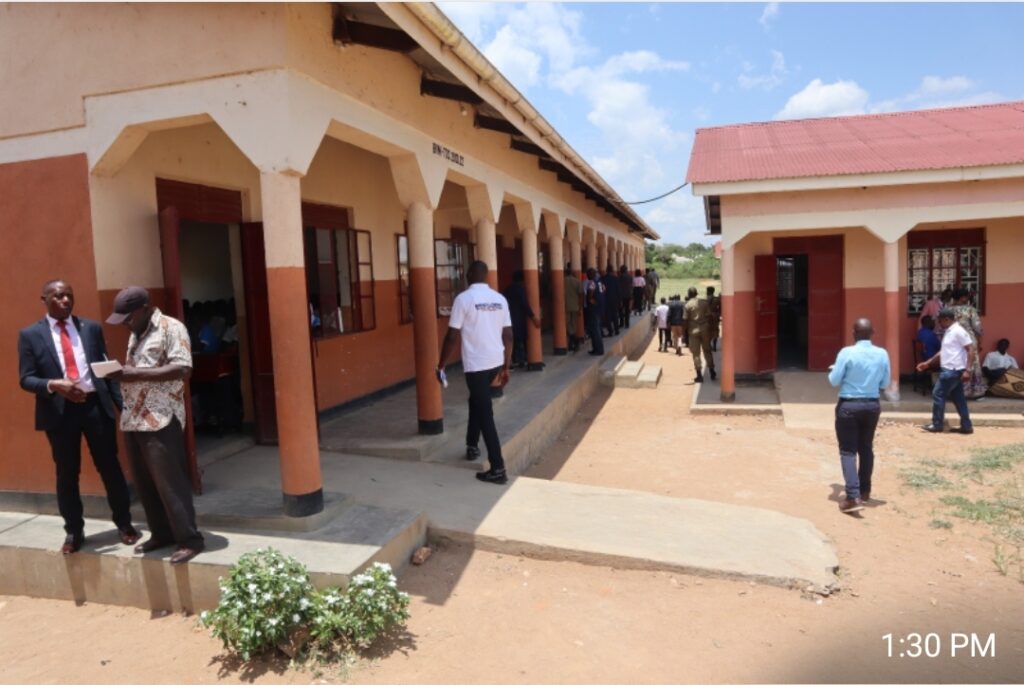
Buvuma Woman MP, Susan Nakaziba, urged the students to remain focused on their studies to succeed in life, despite the challenges they face.
While acknowledging that some key resources are still missing, Nakaziba advised the students to make the best use of what is currently available as they wait for additional support.
She reminded them that final exams are fast approaching, and instead of lamenting, they should concentrate on their books to make the most of the situation.
Buvuma MP, Robert Migadde Ndugwa, shared that after receiving reports from the headteacher about the lack of necessary materials, he was able to purchase solar panels for the school.
This allows students to study at night and also improves campus security. Though the school management claim they are of low quality.
Additionally, Migadde procured textbooks, especially those needed for the new curriculum, to help bridge the scholastic material gap.
He encourages the students to stay focused and determined, reminding them that with hard work, they too can achieve success in life.
END







 English