


















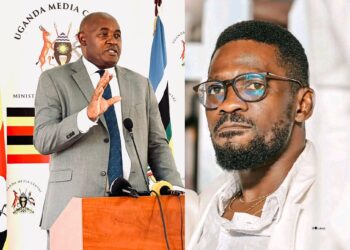
In Uganda’s evolving political landscape, the term protest vote has become a rallying cry, particularly for the National Unity Platform (NUP) and its charismatic leader, Robert Kyagulanyi, also known as Bobi Wine.
Once seen as a political earthquake shaking the foundations of Uganda’s long-ruling establishment, the protest vote is now under scrutiny, especially when invoked by incumbent Members of Parliament (MPs).


What began as a genuine outcry for change is at risk of becoming a rhetorical device — a slogan that conceals underperformance and evades accountability.
The protest vote gained prominence in the 2021 general elections, as Ugandans, particularly urban youth, channeled decades of frustration with the National Resistance Movement (NRM) into support for the NUP.
The promise was simple yet powerful: a new Uganda, led by young, fresh, and uncorrupted voices.
Many candidates rose not on the strength of detailed manifestos, but on the energy of the People Power movement and widespread anti-establishment sentiment.
In many constituencies, voters did not necessarily know the candidates well — they voted as a collective rejection of NRM dominance, summed up in one phrase: protest vote.
When Protest Becomes Position: The Dilemma of Incumbents
As the 2026 elections approach, some NUP MPs continue to present themselves as protest vote candidates.
This is where the narrative begins to falter. Once elected, MPs are no longer just activists.
They are lawmakers, endowed with access to state resources, parliamentary privilege, and legislative responsibility.
Continuing to campaign as powerless outsiders raises serious questions of integrity.
Critics argue that holding on to protest slogans without delivering meaningful results amounts to political escapism.
In many constituencies, voters are beginning to ask hard questions:
What have these MPs actually achieved over the past five years?
Are they still protesting, or are they using protest rhetoric to cover up underperformance?
A sober assessment reveals a mixed picture. Some MPs have shown discipline, policy focus, and consistent advocacy for transparency in government contracts and public sector reform.
Others have championed local infrastructure projects and education funding in their constituencies, proving that protest energy can be translated into meaningful service.
Yet others have struggled. Some have faced legal battles, spent considerable time out of Parliament due to illness or court proceedings, or failed to make any notable legislative contributions.
A number have been absent from plenary sessions or have not tabled a single motion since their election. Some have engaged in performative activism — present during public crises but largely invisible in the day-to-day work of constituency service.
The People Power wave brought emotionally resonant and relatable candidates into Parliament. But governance requires more than popularity.
Legislation, budgeting, and policy oversight demand skill, discipline, and institutional experience. In this light, the slogan has, at times, outpaced substance.
When Protest Masks Accountability
The continued invocation of the protest vote by incumbents reveals a deeper issue.
Ugandan politics often rewards emotional appeal over effectiveness. By continuing to identify as protest figures, some MPs shield themselves from scrutiny of their actual performance.
Mathias Mpuuga, formerly Leader of the Opposition in Parliament, has warned against this trend.
The Democratic Front leader emphasized that without internal reforms within opposition ranks, there is a risk of “recycling emotional slogans while failing to deliver institutional impact.”
He cautioned that Uganda could end up with a Parliament full of protestors, but lacking policymakers.
Voices from the Ground
Interviews with voters in Kawempe, Masaka, Mukono, and Arua paint a clear picture.
“We wanted change, but now we want results,” says Sharifah Namawejje, a voter in Rubaga South.
“They used to be in the ghettos with us. Now they drive Prados and come back only during funerals,” says Kato Lutaaya, a boda boda rider in Kamwokya.
Some voters still sympathize with MPs, pointing to the hostile political environment and security crackdowns that limit opposition activity. But the demand for accountability is growing louder.
From Protest to Policy
Uganda stands at a democratic crossroads. The protest votes of 2021 disrupted the political status quo — but disruption is not the same as transformation.
As 2026 approaches, voters must ask:
Who continues to carry the values of the protest vote through action, not just slogans?
Who has made the shift from activist to accountable leader?
Who is ready to legislate, not just resist?
Beyond the Slogan
The protest vote was a powerful message from Ugandans yearning for change. But as the political dust settles, the crucial question emerges: change into what?
The real test of a protest movement lies not in its anger, but in its ability to transform institutions, serve communities, and deliver justice. Emotional appeal can launch a campaign, but only substance can sustain leadership.
InsightPost-Editorial




 English